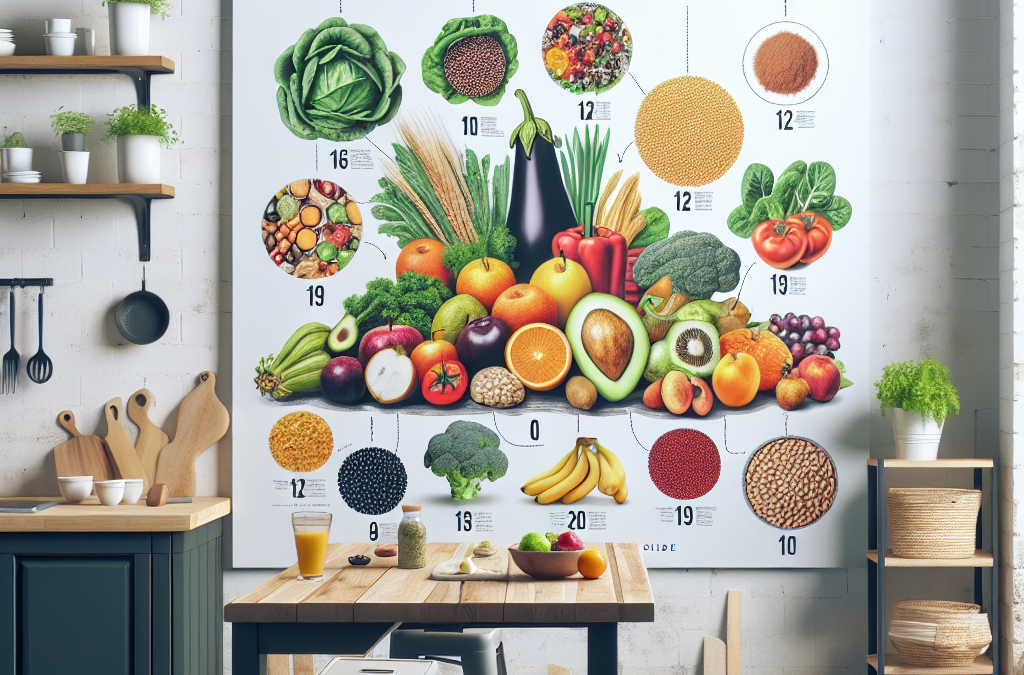
The initial week of whole food eating can bring about notable changes in your body and overall health. As you transition away from processed foods, your body may undergo a detoxification process, which can lead to a variety of symptoms, including fatigue, headaches, and mood swings.
Understanding what to expect during this first week can help you navigate the challenges and embrace the benefits of whole food eating. Many individuals report feeling increased energy levels and improved digestion after the initial adjustment period. However, it is important to recognize that cravings for processed foods may arise as your body seeks the quick energy sources it is accustomed to. Staying committed to your new dietary choices and preparing for these cravings can lead to a more successful transition.
It’s also common to experience some digestive changes as your body adapts to a higher intake of fiber from fruits, vegetables, and whole grains. This can initially lead to bloating or discomfort, but these symptoms usually subside as your digestive system adjusts. To ease this transition, gradually increase your fiber intake and ensure you drink plenty of water. Listen to your body, and if you experience persistent discomfort, consider consulting a healthcare professional for personalized advice.

Physical Changes You Might Experience
As you embark on a whole food eating journey, your body will likely undergo several physical changes. These can include fluctuations in energy levels, alterations in sleep patterns, and even skin changes. Initially, some individuals may feel fatigued or lethargic due to the sudden withdrawal from sugars and processed carbohydrates.
It’s important to recognize that these feelings are often temporary. As your body adjusts to a diet rich in whole foods, many report a resurgence of energy and improved overall well-being. To support this transition, focus on consuming a balanced array of whole foods, such as fruits, vegetables, whole grains, and lean proteins, which can help stabilize your energy levels.
Moreover, tracking your physical changes can provide insights into how your body responds to whole food eating. Journaling your experiences can help identify patterns and make adjustments as needed. This awareness can also reinforce your commitment to this healthier lifestyle.
Managing Cravings and Emotional Responses
One of the most challenging aspects of transitioning to whole food eating is managing cravings for processed foods. As your body adjusts, cravings may intensify, especially for sugary or high-fat foods that your system has relied on for quick energy. Understanding this phenomenon is crucial in navigating your first week.
To combat cravings, prepare healthy snacks and meals in advance, ensuring that you have nutritious options readily available. Incorporate whole food alternatives that satisfy your cravings, such as fresh fruit instead of candy or homemade energy bars made from nuts and oats. Additionally, practicing mindfulness can help you recognize emotional eating triggers and make more conscious food choices.
It’s also beneficial to remind yourself of your reasons for choosing whole foods. Keeping a list of your motivations visible can serve as a helpful reminder during moments of temptation. Connecting with a supportive community, whether online or in person, can also provide encouragement and accountability throughout your journey.
Digestive Adjustments and Solutions
During the first week of whole food eating, many individuals experience digestive changes as their bodies adapt to increased fiber intake. These changes can manifest as bloating, gas, or irregular bowel movements. Such symptoms are normal and typically resolve as your digestive system adjusts.
To mitigate discomfort, it’s essential to gradually increase your fiber intake rather than making a sudden shift. Start with smaller portions of high-fiber foods and ensure you drink adequate amounts of water to aid digestion. Foods like oats, legumes, and leafy greens are excellent sources of fiber that can support your transition.
If digestive issues persist beyond the first week, consider consulting a healthcare professional. They can help identify any underlying concerns and provide personalized recommendations to ensure your digestive health remains on track during your whole food journey.
Huge Discount on the Best Certified Organic Whole Food Supplement!
Practical Meal Planning Tips
Effective meal planning is key to successfully navigating the first week of whole food eating. Planning your meals in advance can help you avoid the temptation of processed foods and ensure you have nutritious options on hand. Start by creating a weekly menu that incorporates a variety of whole foods, focusing on seasonal fruits and vegetables.
Batch cooking is another helpful strategy. Prepare larger quantities of whole food meals that can be easily reheated throughout the week, such as soups, stews, or grain salads. This approach not only saves time but also reduces the likelihood of reaching for convenience foods during busy days.
Additionally, keeping a well-stocked pantry is crucial. Stock up on whole grains, legumes, nuts, and seeds to ensure you have the essentials for healthy meals. By establishing a routine around meal planning and preparation, you can set yourself up for success as you transition to whole food eating.
Further Reading
Authoritative Sources
- Whole Foods Market
wholefoodsmarket.comThis source provides valuable recipes and tips for incorporating whole foods into your diet
- Academy of Nutrition and Dietetics
eatright.orgA trusted resource for nutritional information and guidance on healthy eating
Frequently Asked Questions
What are common symptoms during the first week of whole food eating?
Common symptoms include fatigue, headaches, and digestive discomfort as your body adjusts to the new diet.
How can I manage cravings for processed foods?
Prepare healthy snacks and meals in advance, and practice mindfulness to help recognize emotional eating triggers.
What should I do if I experience digestive issues?
Gradually increase your fiber intake and ensure adequate hydration. If issues persist, consult a healthcare professional.
How can I effectively meal plan for whole food eating?
Create a weekly menu and batch cook meals to ensure you have nutritious options available throughout the week.
What nutrients should I focus on during the transition?
Focus on a balanced intake of fruits, vegetables, whole grains, and lean proteins to support your body’s needs.
Conclusion
Transitioning to whole food eating can be a transformative experience, but it comes with its challenges, especially in the first week. By understanding the physical changes, managing cravings, and planning your meals effectively, you can set yourself up for success. Prioritize hydration and nutrient-dense foods to support your body during this adjustment period. Remember that the initial discomfort is often temporary, and with patience and commitment, you will likely experience improved energy levels and overall health. As you move forward, continue to listen to your body and adapt your approach to ensure a sustainable journey toward whole food eating.
Huge Discount on the Best Certified Organic Whole Food Supplement!
Related Content
- The Whole Food Benefits for Women Over 40: Nutritional Essentials for Optimal Health
- The Ultimate Guide to 10 Best Whole Food Pantry Staples for 2025
- How Whole Foods Help Reduce Joint Pain: Effective Foods and Dietary Strategies
- How Whole Foods Support Healthy Blood Sugar Levels: Essential Foods and Their Impact on Glucose Control
- Harnessing Nature’s Power: Why Whole Foods Improve Nutrient Absorption