
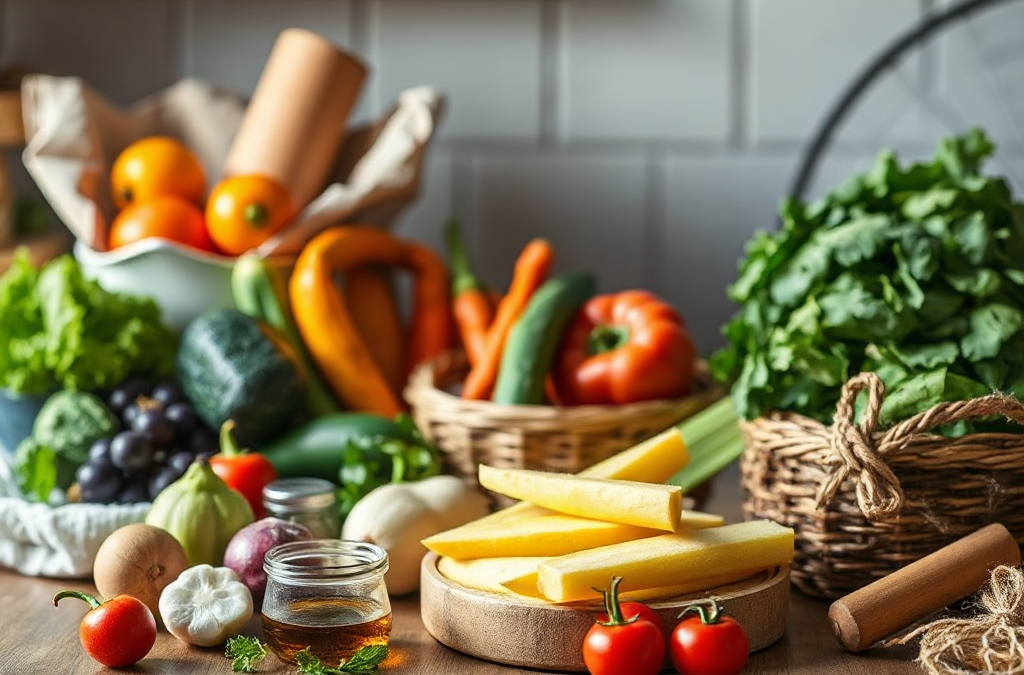
When transitioning to whole foods, prioritize understanding nutrient density, selecting seasonal produce, and meal planning to ensure a balanced diet. Focus on incorporating whole grains, legumes, and a variety of fruits and vegetables while reducing processed foods. Common pitfalls include underestimating the time needed for meal prep and failing to adjust your palate to new flavors. Gradually introducing these changes can help ease the transition and enhance overall health.
Understanding Nutrient Density
Nutrient density refers to the amount of essential nutrients a food provides relative to its calorie content. When transitioning to whole foods, understanding this concept is crucial. Foods that are high in nutrient density, such as vegetables, fruits, whole grains, and legumes, provide significant health benefits without excessive calories. For instance, leafy greens not only deliver vitamins and minerals but are also low in calories, making them an excellent choice for a nutritious diet.
In contrast, processed foods often have added sugars and unhealthy fats that contribute to calorie intake without providing essential nutrients. A common mistake is to assume that all foods labeled as “natural” or “healthy” are nutrient-dense. It is essential to analyze the nutritional content of foods and opt for those that maximize health benefits while minimizing empty calories.
Choosing Seasonal Produce
Choosing seasonal produce is a key factor in transitioning to whole foods. Seasonal fruits and vegetables are typically fresher, more flavorful, and often more affordable than out-of-season options. Additionally, they tend to have higher nutrient content, as they are harvested at their peak ripeness. For example, tomatoes in summer are juicy and rich in flavor, while winter tomatoes may lack both taste and nutrition.
Shopping at local farmers’ markets or subscribing to a community-supported agriculture (CSA) program can help you access seasonal produce. This not only supports local farmers but also encourages a diverse intake of nutrients throughout the year. A practical approach is to create a seasonal produce guide for your area, listing fruits and vegetables available each season, which can help in planning meals and shopping trips.
Meal Planning Strategies
Effective meal planning is vital when transitioning to whole foods. It helps ensure that you have the right ingredients on hand and reduces the likelihood of resorting to processed options when time is tight. Start by setting aside time each week to plan meals, focusing on incorporating a variety of whole foods.
Begin with batch cooking staples like grains and legumes, which can be used in multiple meals. For example, cooking a large batch of quinoa can provide a base for salads, bowls, and sides throughout the week. Additionally, prepping vegetables in advance can save time during busy weekdays. Remember to consider your schedule; if you know you have a busy week ahead, plan for simpler meals that require less preparation.
Common Pitfalls to Avoid
While transitioning to whole foods, several common pitfalls can hinder your progress. One major mistake is underestimating the time and effort required for meal preparation. Transitioning from a convenience-based diet to one centered around whole foods often necessitates a shift in mindset and routine.
Another frequent issue is failing to adjust your palate to new flavors and textures. It can take time for your taste buds to adapt to whole foods, especially if you are used to heavily processed flavors. Gradually introducing new ingredients and recipes can help ease this transition. Lastly, be cautious of the belief that all whole food options are inherently healthy; it’s important to maintain balance and moderation.
Frequently Asked Questions
What are whole foods?
Whole foods are foods that are minimally processed and free from artificial additives. They include fruits, vegetables, whole grains, nuts, and seeds.
How can I start transitioning to whole foods?
Begin by gradually incorporating more whole foods into your diet, such as adding fruits and vegetables to meals and reducing processed food intake.
What are some easy whole food recipes?
Some easy recipes include vegetable stir-fries, quinoa salads, and baked sweet potatoes, which can be prepared quickly and are nutrient-dense.
How do I ensure I am getting enough nutrients?
Focus on eating a variety of whole foods from different food groups to cover essential nutrients. Consider consulting a nutritionist for personalized advice.
What mistakes should I avoid when transitioning to whole foods?
Avoid common pitfalls such as underestimating meal prep time, not adjusting your palate, and assuming all whole food options are healthy.
Conclusion
Prioritizing nutrient density, seasonal produce, and effective meal planning is essential for successfully transitioning to whole foods. By understanding these key elements and avoiding common pitfalls, you can create a sustainable and healthful eating pattern. Start by gradually incorporating whole foods into your diet and adjusting your meal prep strategies. This approach not only enhances your nutrition but also supports a healthier lifestyle overall.
Huge Discount on the Best Certified Organic Whole Food Supplement!
Further Reading
Authoritative Sources
- Library of Congress Research Guides
guides.loc.govResearch guides that help readers locate reliable background sources on a wide range of subjects.
- USA.gov Official Information and Services
usa.govOfficial U.S. government information and public resources for practical reference.
- Google Scholar
scholar.google.comAcademic search resource for finding research literature and source material.