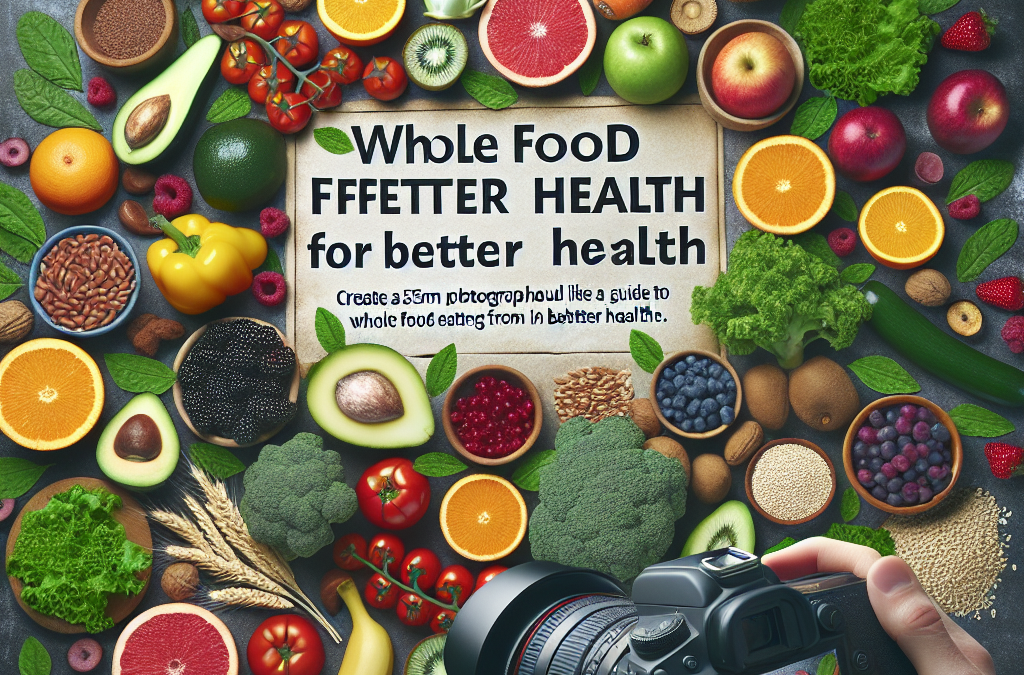
A whole food diet significantly enhances gut bacteria diversity by incorporating a variety of nutrient-dense foods, such as fruits, vegetables, whole grains, nuts, and fermented products. These foods provide essential fibers and probiotics that nourish beneficial gut microbes, leading to improved digestive health and overall well-being.
Prioritizing whole foods over processed options is crucial for maximizing gut health. Processed foods often contain additives that disrupt gut flora and reduce microbial diversity. In contrast, whole foods naturally contain prebiotics that feed beneficial bacteria, thereby promoting a balanced gut microbiome. By focusing on a diverse range of whole foods, individuals can foster a more resilient gut ecosystem.
Many people mistakenly believe that simply reducing processed foods is enough for gut health. While this is a good start, the emphasis should also be on increasing the intake of various whole foods rich in fiber and nutrients. Incorporating a mix of fruits, vegetables, and fermented foods can significantly impact gut diversity and overall health.

Key Components of a Whole Food Diet
A whole food diet focuses on minimally processed, natural foods. Key components include fruits, vegetables, whole grains, legumes, nuts, seeds, and fermented foods. These foods are rich in essential nutrients and fiber, which are critical for nurturing gut bacteria.
Incorporating a wide variety of these food groups ensures that the gut microbiome receives the diverse nutrients it needs to thrive. Different types of fiber serve as food for different types of bacteria, promoting a balanced gut ecosystem. It’s important to aim for a colorful plate filled with various foods to maximize nutrient intake.
People often overlook the importance of fermented foods, which are rich in probiotics. Incorporating items like yogurt, kefir, sauerkraut, and kimchi can introduce beneficial bacteria directly into the gut, supporting diversity and health. Prioritizing these foods can lead to noticeable improvements in digestive health.
Benefits of Gut Bacteria Diversity
Gut bacteria diversity is essential for overall health. A diverse microbiome is associated with improved digestion, a stronger immune system, and a reduced risk of chronic diseases. It plays a crucial role in metabolizing nutrients, producing vitamins, and protecting against pathogens.
Research shows that a diverse gut microbiome can enhance metabolic health and support weight management. This diversity helps the body adapt to dietary changes and environmental factors, making it more resilient. Individuals with greater gut diversity often report better energy levels and mood stability.
However, many people are unaware of the long-term effects of low gut diversity, which can lead to issues such as obesity, diabetes, and inflammatory bowel diseases. Prioritizing a whole food diet can significantly improve gut health and prevent these conditions.
Strategies for Implementing a Whole Food Diet
To effectively implement a whole food diet, start by gradually replacing processed foods with whole foods. Focus on meal planning and preparation to ensure healthy options are readily available. Incorporate a variety of food sources to enhance nutrient intake and gut diversity.
Consider setting weekly goals for introducing new fruits or vegetables and experimenting with different grains and legumes. This approach not only keeps meals interesting but also ensures a wider range of nutrients is consumed. Regularly including fermented foods in your diet can also provide a boost to your gut health.
Many individuals underestimate the importance of hydration. Drinking plenty of water supports digestion and helps fiber do its job effectively. Make it a habit to drink water throughout the day, especially when increasing fiber intake, to avoid gastrointestinal discomfort.
Huge Discount on the Best Certified Organic Whole Food Supplement!
Common Mistakes to Avoid
One common mistake is assuming that any whole food is beneficial without considering the nutrient profile. For example, while fruits are healthy, consuming excessive amounts of fruit juice can lead to high sugar intake without the fiber benefits. Focus on whole fruits instead.
Another mistake is neglecting the role of variety. Eating the same foods repeatedly can limit the diversity of gut bacteria. Aim to rotate different fruits, vegetables, and grains to promote a richer microbiome.
It’s also important to avoid drastic dietary changes without preparation. Sudden shifts can lead to digestive upset. Gradually increasing fiber intake and incorporating new foods can help the gut adjust more comfortably.
Further Reading
Authoritative Sources
- The Role of Gut Microbiota in Human Health and Disease
ncbi.nlm.nih.govThis resource provides an in-depth understanding of how gut microbiota influences health, emphasizing the benefits of diversity
- Dietary Fiber and Gut Microbiome: A Review
ncbi.nlm.nih.govA comprehensive review discussing the impact of dietary fiber on the gut microbiome and its health implications
- Fermented Foods and Their Health Benefits
frontiersin.orgThis article explores the health benefits of fermented foods and their role in enhancing gut bacteria diversity
Frequently Asked Questions
How quickly can a whole food diet improve gut health?
Improvements can be seen within a few weeks, as increased fiber and nutrient intake begin to positively affect gut bacteria.
Are there specific foods that boost gut bacteria diversity?
Yes, foods like garlic, onions, leeks, asparagus, bananas, and fermented products are particularly effective.
Can a whole food diet help with digestive issues?
Absolutely, a whole food diet can alleviate symptoms of digestive disorders by promoting a healthy gut microbiome.
What are the signs of low gut bacteria diversity?
Signs include digestive issues, frequent infections, fatigue, and weight management challenges.
Is it necessary to take probiotics if I eat a whole food diet?
While a whole food diet can provide many benefits, some may still benefit from probiotics, especially after antibiotic use.
Conclusion
Embracing a whole food diet is a powerful way to enhance gut bacteria diversity, leading to improved overall health. Focus on incorporating a variety of fruits, vegetables, whole grains, and fermented foods to maximize benefits. Avoid common pitfalls like excessive reliance on any single food group and abrupt dietary changes. By prioritizing diverse, nutrient-rich foods, you can foster a thriving gut microbiome and enjoy the associated health benefits.
Huge Discount on the Best Certified Organic Whole Food Supplement!
Related Content
- How Whole Foods Support Healthy Aging: Nutrient-Dense Choices for Longevity
- How Whole Foods Improve Nutrient Density in Your Diet: Essential Foods and Their Benefits
- Why Whole Foods Help Reduce Food Addictions: Practical Foods and Their Role in Recovery
- Transform Your Life: How Whole Foods Help Manage Blood Pressure Naturally
- How Whole Foods Support Brain Health: Essential Nutrients and Their Impact