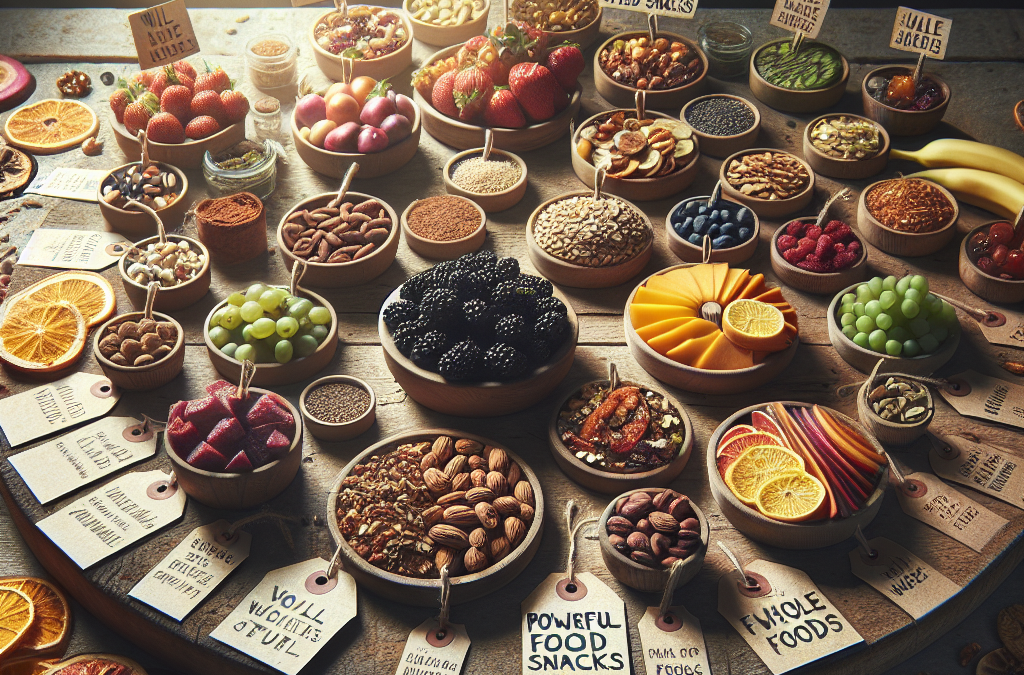
A whole food diet for beginners over 40 years old emphasizes consuming minimally processed foods such as fruits, vegetables, whole grains, nuts, seeds, and lean proteins. This dietary approach supports better health outcomes, weight management, and improved energy levels, especially crucial for individuals in this age group who may face various health challenges.
As people age, their nutritional needs change, often requiring more attention to the quality of food consumed. A whole food diet helps in maintaining muscle mass, reducing inflammation, and managing weight, which are vital for health after 40. Common mistakes include underestimating portion sizes and not incorporating enough variety in meals, which can lead to nutrient deficiencies or boredom with the diet.
Another critical aspect is understanding how to plan meals effectively. Beginners might struggle with meal prep and planning, leading to reliance on convenience foods. It’s essential to prioritize learning simple cooking techniques and gradually build a repertoire of quick, healthy recipes that suit your lifestyle.
Key Benefits of a Whole Food Diet for Those Over 40
The primary benefits of adopting a whole food diet after 40 include improved energy levels, better digestion, weight management, and reduced risk of chronic diseases. Whole foods are rich in vitamins, minerals, and antioxidants, which support overall health and can help combat age-related decline.
Moreover, this diet can significantly impact mental clarity and mood stability. Many individuals report feeling more vibrant and energetic after eliminating processed foods. A nutrient-dense diet can also support brain health, which is crucial as cognitive decline can begin in this age group.
Prioritizing whole foods means focusing on quality over quantity. For instance, rather than consuming empty calories from processed snacks, opting for whole fruits or nuts provides not only energy but also essential nutrients. This shift can lead to more sustainable energy levels throughout the day.
Essential Foods to Include
When starting a whole food diet, it’s important to know which foods to prioritize. Essential items include fresh fruits and vegetables, whole grains like quinoa and brown rice, legumes such as beans and lentils, nuts, seeds, and lean proteins like chicken, fish, or tofu. These foods provide a foundation for balanced meals.
Incorporating a variety of colors in fruits and vegetables is beneficial as different colors indicate different nutrients. For instance, leafy greens like spinach are rich in iron, while orange vegetables like carrots provide beta-carotene. Aim for at least five servings of fruits and vegetables each day.
A common pitfall is not diversifying the diet enough. Sticking to a limited range of foods can lead to deficiencies. Consider experimenting with new recipes and seasonal produce to keep meals exciting and nutritious.
Practical Steps to Start Your Whole Food Journey
To effectively transition to a whole food diet, start with small, manageable changes. Begin by replacing one processed food item each week with a whole food alternative. For example, swap white rice for brown rice or choose whole grain bread instead of white bread.
Meal prepping can be a game-changer. Setting aside a few hours each week to prepare meals in advance can save time and reduce the temptation to resort to convenience foods. Simple recipes that can be batch-cooked and stored in the fridge or freezer are ideal.
Additionally, educating yourself about nutrition can empower you to make better choices. Consider following reputable nutrition blogs or consulting a registered dietitian who can provide personalized guidance tailored to your needs.
Common Mistakes to Avoid
One of the most common mistakes beginners make is not reading food labels carefully. Even foods marketed as ‘natural’ can contain added sugars, preservatives, or unhealthy fats. Always check the ingredient list and opt for items with minimal processing.
Huge Discount on the Best Certified Organic Whole Food Supplement!
Another mistake is neglecting hydration. Many beginners focus solely on food and forget that water intake is crucial for overall health, particularly when consuming a higher fiber diet from whole foods. Aim for at least eight 8-ounce glasses of water a day, adjusting as necessary based on activity level.
Lastly, be cautious of falling into the trap of ‘health halos’—the belief that certain foods are healthy simply because they are labeled as organic or gluten-free. Always consider the overall nutritional profile, not just the marketing.
Further Reading
For more in-depth information on whole food diets and nutrition, consider exploring resources from reputable health organizations or nutrition experts.
Authoritative Sources
- Academy of Nutrition and Dietetics
eatright.orgA leading organization providing science-based nutrition information and resources for healthy eating
- Choose My Plate
choosemyplate.govA USDA resource offering guidelines on building a healthy plate with whole foods
- Nutrition.gov
nutrition.govA comprehensive resource for nutrition information from the U.S. government
Frequently Asked Questions
What are whole foods?
Whole foods are foods that are unprocessed or minimally processed, such as fruits, vegetables, whole grains, nuts, and seeds. They retain their natural nutrients and do not contain artificial additives.
How can I start a whole food diet?
Begin by gradually replacing processed foods with whole food alternatives and meal prepping to make healthy choices easier. Start with simple recipes that focus on whole ingredients.
What are the benefits of a whole food diet for those over 40?
A whole food diet can improve energy levels, support weight management, and reduce the risk of chronic diseases, which is particularly important for individuals over 40.
Are there any foods to avoid on a whole food diet?
Avoid highly processed foods, added sugars, and artificial ingredients. Focus on consuming whole, nutrient-dense foods instead.
How can I ensure I’m getting enough nutrients on this diet?
Incorporate a variety of fruits, vegetables, whole grains, and proteins. Consider consulting with a dietitian to tailor your diet to meet your specific nutritional needs.
Conclusion
Adopting a whole food diet over 40 can have significant benefits for health and well-being. Prioritize whole, unprocessed foods while ensuring a diverse intake to meet your nutritional needs. Start with small changes, focus on meal planning, and remain mindful of common pitfalls to maximize the benefits of this lifestyle. By making informed food choices, you can enhance your vitality and support a healthier future.
Huge Discount on the Best Certified Organic Whole Food Supplement!
Related Content
- The Whole Food Benefits for Women Over 40: Nutritional Essentials for Optimal Health
- Whole Foods for Maintaining Healthy Blood Sugar
- How Whole Foods Help Reduce Inflammation After 50: Key Nutrients and Dietary Choices
- How Whole Foods Support Heart Health: Essential Nutrients and Foods for Cardiovascular Wellness
- Elevate Your Cardiovascular Health with The Top Whole Foods for Heart Health Support