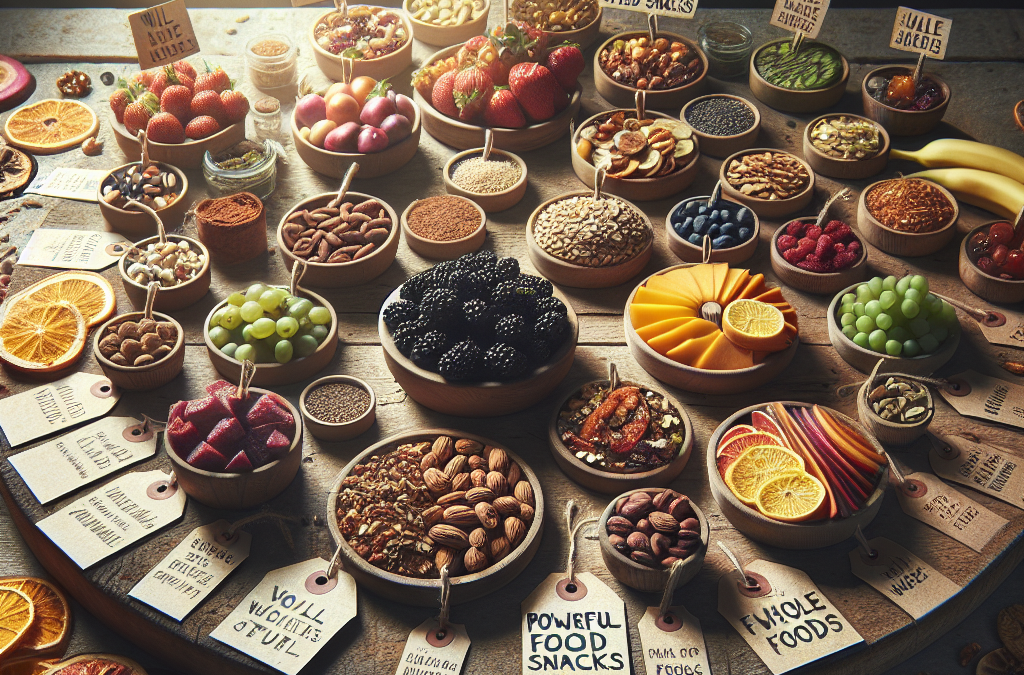
A whole food diet for beginners with limited cooking skills emphasizes consuming unprocessed foods like fruits, vegetables, whole grains, and lean proteins. This approach not only supports better health but also simplifies meal preparation, making it accessible for those who may not be comfortable in the kitchen.
For individuals with limited cooking skills, the key is to start simple. Prioritize meals that require minimal preparation and cooking time, such as salads, smoothies, and roasted vegetables. This helps build confidence in the kitchen while ensuring a nutritious intake. Additionally, learning basic techniques, such as chopping vegetables or cooking grains, can significantly enhance your ability to prepare whole food meals.
Common mistakes beginners make include overcomplicating recipes or relying too heavily on pre-packaged ingredients that may not align with whole food principles. Instead, focus on one or two core recipes to master, gradually expanding your repertoire as you gain confidence. Emphasizing fresh, seasonal ingredients can also make cooking more enjoyable and flavorful.
Understanding Whole Foods
Whole foods are natural foods that have not been processed or refined, retaining their nutritional value. This includes fruits, vegetables, nuts, seeds, whole grains, and lean proteins. Understanding the importance of these foods is crucial for beginners. Whole foods provide essential nutrients that support overall health, helping to reduce the risk of chronic diseases.
As a beginner, it’s important to recognize the difference between whole foods and processed options. For instance, choosing brown rice over white rice or fresh fruits over canned ones can make a significant difference in nutritional intake. Prioritizing whole foods means making conscious choices that benefit your health in the long run.
One common misconception is that whole foods are more expensive or difficult to find. However, many whole foods are accessible and can be purchased in bulk, often saving money over time. Start by visiting local farmers’ markets or grocery stores that offer fresh produce and whole grains.
Essential Ingredients for Beginners
When starting a whole food diet, stocking your kitchen with essential ingredients is key. Focus on versatile items that can be used in various meals. Some staples include legumes, whole grains, fresh vegetables, fruits, nuts, and seeds.
For example, quinoa, brown rice, lentils, and chickpeas are excellent sources of protein and fiber. Fresh vegetables like spinach, carrots, and bell peppers can be used in salads, stir-fries, or as snacks. Having a variety of fruits on hand ensures you have healthy options for breakfast or dessert.
Beginner cooks should also consider frozen vegetables and fruits as they can be just as nutritious as fresh and require no preparation. They are convenient for quick meals and can help reduce food waste. Prioritize stocking your kitchen with these essentials before diving into meal preparation.
Simple Cooking Techniques
Mastering a few simple cooking techniques can significantly enhance your ability to prepare whole food meals. Start with basic skills such as chopping, sautéing, and steaming. These methods require minimal equipment and can be applied to a wide range of ingredients.
For instance, sautéing vegetables in a bit of olive oil can create a flavorful base for many dishes. Steaming is another easy technique that preserves the nutrients in vegetables while making them tender. Cooking grains like quinoa or brown rice is straightforward and can be done in bulk for multiple meals throughout the week.
Common mistakes include overcooking vegetables or using too much oil. Focus on timing and seasoning to enhance flavors without compromising health. Practice these techniques regularly to build confidence and improve your cooking skills.
Huge Discount on the Best Certified Organic Whole Food Supplement!
Meal Planning Made Easy
Effective meal planning is a game changer for those following a whole food diet. Start by dedicating a few hours each week to plan your meals. This includes choosing recipes, making a grocery list, and preparing ingredients in advance.
Begin with easy recipes that require minimal ingredients and time. Batch cooking can also save time during the week—prepare large quantities of grains or proteins and store them for quick meals. Utilizing leftovers creatively can minimize waste and maximize efficiency.
Remember to stay flexible with your meal plan. Life can be unpredictable, so having a few backup options can help you stay on track without feeling overwhelmed. Emphasizing simplicity and convenience will help you maintain your whole food diet without feeling constrained.
Further Reading
Authoritative Sources
- Eat Whole Foods
eatwholefoods.comA comprehensive resource for recipes and tips on incorporating whole foods into your diet
- Whole Foods Diet
wholefoodsdiet.comOffers guidance on transitioning to a whole foods lifestyle, including meal plans and shopping tips
- Healthline
healthline.comProvides scientific insights and benefits of whole food diets, along with practical advice
Frequently Asked Questions
What are whole foods?
Whole foods are natural, unprocessed foods that retain their nutrients, such as fruits, vegetables, whole grains, and lean proteins.
How can I start a whole food diet?
Begin by stocking your kitchen with whole food staples, learning simple cooking techniques, and planning easy meals.
Are whole foods more expensive?
Not necessarily; many whole foods can be found at reasonable prices, especially when purchased in bulk or from local markets.
Can I eat snacks on a whole food diet?
Yes, healthy snacks like fruits, nuts, and vegetables are encouraged on a whole food diet.
What is the easiest meal to prepare on a whole food diet?
A simple salad with fresh vegetables, a protein source like chickpeas, and a light dressing is quick and nutritious.
Conclusion
Transitioning to a whole food diet can be simple and rewarding, especially for beginners with limited cooking skills. Focus on mastering essential ingredients and basic cooking techniques while prioritizing meal planning. This approach allows for a sustainable and enjoyable dietary change. Remember, the goal is to make healthy eating accessible and straightforward, paving the way for long-term wellness.
Huge Discount on the Best Certified Organic Whole Food Supplement!
Related Content
- The Best Whole Foods for Sustainable Energy: Top Choices for Lasting Vitality
- The Benefits of Eating Whole Foods Daily
- Discovering the Secret: Why Whole Foods Improve Energy Without Caffeine
- How Whole Foods Support Muscle Recovery: Essential Nutrients and Effective Choices
- The Best Whole Foods for Natural Anti-Aging: Essential Nutrients and Their Impact on Skin Health