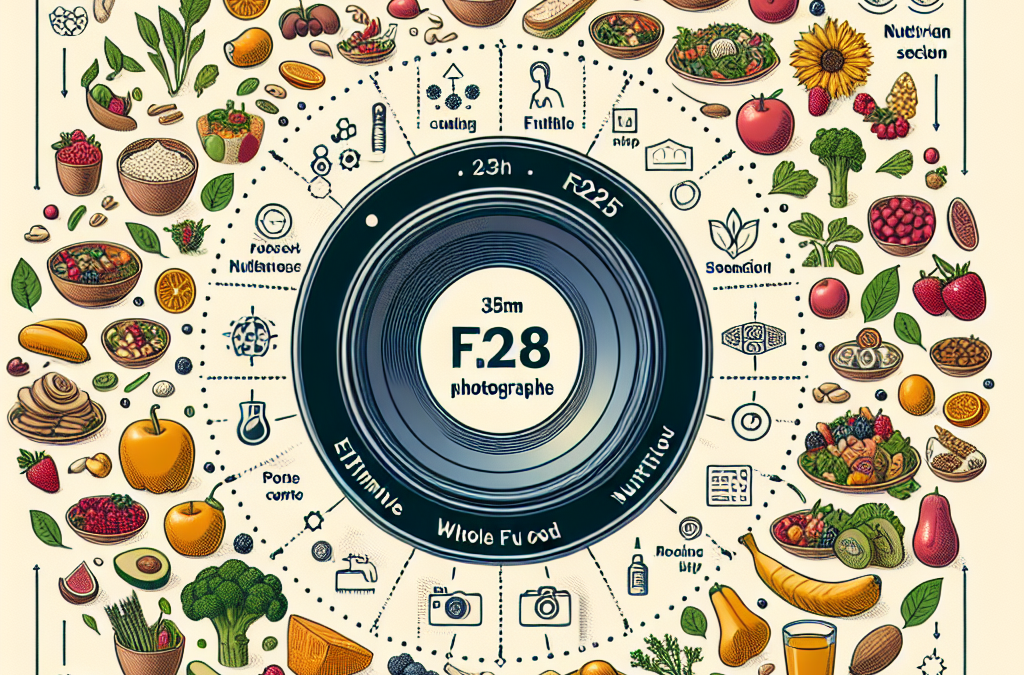
A whole food diet for beginners with limited cooking skills emphasizes the consumption of unprocessed or minimally processed foods, including fruits, vegetables, whole grains, and lean proteins. This diet prioritizes nutrient-dense options that can be prepared quickly and easily, making it accessible for those who may not have extensive culinary experience.
Understanding how to navigate this dietary approach is crucial for beginners. The focus should be on selecting ingredients that are not only healthy but also easy to prepare. For instance, opting for pre-washed greens, frozen vegetables, and canned legumes can significantly cut down on preparation time. Additionally, knowing which cooking methods are simplest—like steaming, roasting, or sautéing—can help streamline the cooking process while still delivering flavorful meals.
Many beginners mistakenly believe that a whole food diet requires elaborate cooking skills or extensive meal prep. However, the key is to start small and gradually incorporate whole foods into your meals. Simple recipes, such as salads, stir-fries, or grain bowls, can be put together in minutes and provide a satisfying, nutritious meal without the need for advanced techniques.
Essential Whole Food Ingredients
To successfully adopt a whole food diet, understanding which ingredients are essential is crucial. Staples like fruits, vegetables, whole grains, nuts, seeds, and legumes should form the foundation of your meals. These ingredients are not only nutritious but also versatile, allowing for a variety of dishes without requiring complex recipes.
When starting, consider stocking up on items that require minimal preparation. For example, frozen vegetables can be a great time-saver and still retain their nutritional value. Additionally, canned beans and lentils can be quickly added to salads or soups, providing protein and fiber without much cooking involved. Prioritizing these ingredients will make meal planning easier and more efficient.
Many beginners overlook the importance of having a well-stocked pantry. Having a variety of whole grains, such as quinoa, brown rice, and oats, can provide a quick base for meals. Likewise, keeping a selection of spices and herbs can elevate even the simplest dishes. Focus on acquiring a range of ingredients that will keep your meals interesting and satisfying.
Easy Cooking Methods for Beginners
For those with limited cooking skills, mastering a few basic cooking methods can make a significant difference. Steaming, roasting, and sautéing are among the easiest techniques to learn. Each method enhances the natural flavors of whole foods while preserving their nutrients.
Steaming vegetables retains their color and crunch, making it an excellent option for beginners. Roasting can bring out the sweetness in vegetables, and it requires minimal effort—just toss them with some oil and seasoning, then let the oven do the work. Sautéing is a quick technique that allows for the addition of various ingredients, making it ideal for creating stir-fries or one-pan meals.
Many beginners tend to overcomplicate cooking, fearing that they must follow intricate recipes. However, focusing on these simple methods can lead to delicious meals without the stress. Start by practicing one technique at a time, gradually building confidence in the kitchen.
Simple Whole Food Recipes
Creating meals on a whole food diet doesn’t have to be complicated. Simple recipes can be both nutritious and satisfying, requiring minimal ingredients and time. For instance, a basic quinoa salad can be prepared by combining cooked quinoa with chopped vegetables, a squeeze of lemon, and a drizzle of olive oil.
Another quick option is a vegetable stir-fry. Using frozen vegetables, sauté them in a pan with some garlic and ginger, then serve over brown rice or whole grain noodles. These recipes are not only quick to prepare but also allow for creativity, making it easy to adjust based on personal preferences or what you have on hand.
Many beginners might hesitate to experiment with flavors. However, embracing simple recipes encourages exploration in the kitchen. Try adding different spices or sauces to enhance your dishes, which can transform basic ingredients into something exciting.
Huge Discount on the Best Certified Organic Whole Food Supplement!
Common Mistakes to Avoid
When starting a whole food diet, beginners often fall into certain traps that can hinder their progress. One common mistake is overthinking meal preparation, leading to frustration and burnout. It’s essential to remember that simplicity is key—focus on a few staple recipes rather than attempting to create elaborate meals.
Another pitfall is neglecting meal planning. Without a plan, it can be easy to revert to processed foods when time is tight. Set aside a few minutes each week to outline meals and snacks, ensuring that you have the necessary ingredients on hand. This approach can help reduce stress and keep you on track.
Additionally, many beginners underestimate the importance of variety. Eating the same meals repeatedly can lead to boredom and cravings for less healthy options. To combat this, try incorporating new fruits, vegetables, or grains into your diet regularly. This not only keeps meals interesting but also ensures a broader range of nutrients.
Further Reading
Authoritative Sources
- Whole Foods Market
wholefoodsmarket.comA reliable source for recipes and tips on purchasing whole foods
- Academy of Nutrition and Dietetics
eatright.orgOffers evidence-based recommendations for healthy eating and meal planning
- ChooseMyPlate.gov
choosemyplate.govA government resource that provides guidelines for balanced eating and food choices
Frequently Asked Questions
What is a whole food diet?
A whole food diet focuses on consuming unprocessed or minimally processed foods, emphasizing fruits, vegetables, whole grains, and lean proteins.
Can I follow a whole food diet without cooking skills?
Yes, you can follow a whole food diet by choosing simple, ready-to-eat ingredients and using basic cooking methods like steaming or roasting.
What are some easy whole food recipes?
Easy whole food recipes include quinoa salad, vegetable stir-fry, and grain bowls with assorted vegetables and proteins.
How can I avoid common mistakes when starting a whole food diet?
To avoid mistakes, keep meals simple, plan your meals ahead of time, and incorporate a variety of ingredients to prevent boredom.
Where can I find more resources on whole food diets?
Resources can be found on websites like Whole Foods Market, the Academy of Nutrition and Dietetics, and ChooseMyPlate.gov.
Conclusion
Embracing a whole food diet as a beginner with limited cooking skills is not only achievable but can also be incredibly rewarding. By focusing on simple ingredients, easy cooking methods, and straightforward recipes, you can create nutritious meals that support your health. Remember to plan ahead and vary your meals to keep things interesting. Start with small changes, and gradually build your confidence in the kitchen. With time, you’ll find that preparing whole food meals can be both enjoyable and satisfying.
Huge Discount on the Best Certified Organic Whole Food Supplement!
Related Content
- Elevate Your Spirits: How Whole Foods Improve Mood Naturally
- Whole Foods: The Hidden Key to Sustained Wellness and Health Longevity
- How Whole Foods Help Improve Overall Vitality: Key Nutrients and Dietary Strategies
- The Whole Food Diet Benefits for Beginners: Essential Foods and Practical Steps for a Healthier Lifestyle
- How Whole Foods Support Immune System Strength: Essential Nutrients for Optimal Defense