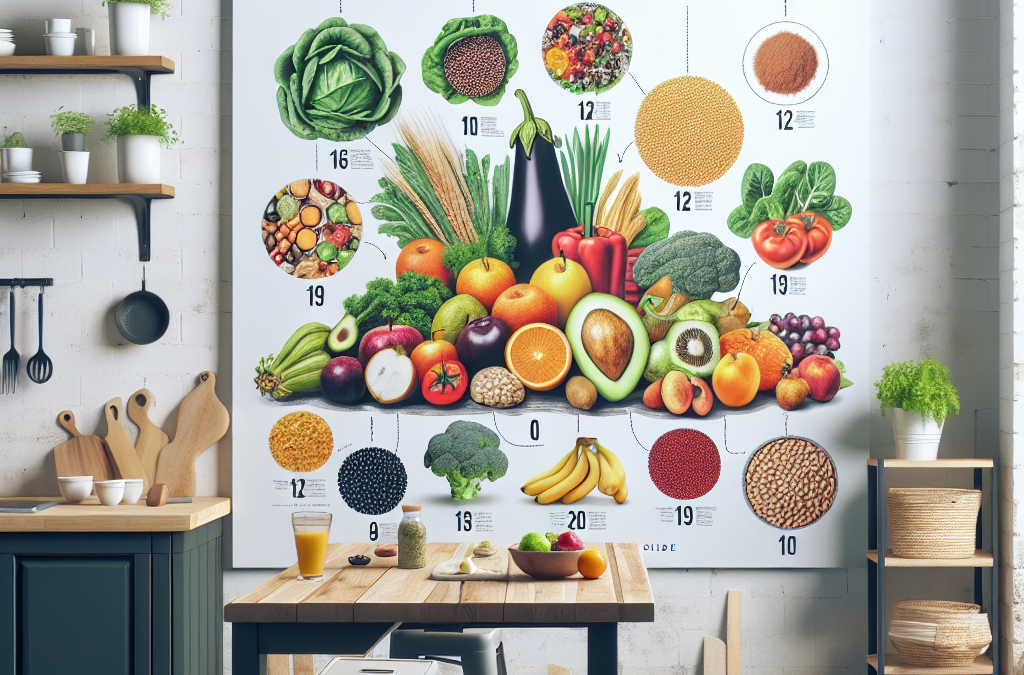
A whole food diet can significantly improve digestion, especially after years of consuming processed foods. By focusing on nutrient-rich, unprocessed ingredients such as fruits, vegetables, whole grains, nuts, and seeds, individuals can restore gut health, enhance nutrient absorption, and reduce digestive discomfort.
Many people underestimate the impact of a whole food diet on their digestive health. Processed foods often contain additives and preservatives that can disrupt gut function and lead to issues like bloating, constipation, and indigestion. By shifting to whole foods, individuals not only increase their intake of fiber, which aids digestion, but also reduce the burden of harmful substances that processed foods typically contain.
One common mistake is attempting to switch abruptly from a heavily processed diet to a whole food diet, which can lead to digestive discomfort due to sudden changes in fiber intake. It’s important to make this transition gradually, allowing the digestive system to adjust. Including small amounts of fermented foods, such as yogurt or sauerkraut, can also help in easing this transition by introducing beneficial bacteria to the gut.

Understanding Whole Foods and Their Impact on Digestion
Whole foods are foods that are minimally processed and free from artificial ingredients. They include fruits, vegetables, whole grains, nuts, seeds, and legumes. These foods are essential for digestive health because they are high in fiber, which promotes regular bowel movements and supports a healthy gut microbiome. In contrast, processed foods often lack the nutrients and fiber necessary for optimal digestion, leading to issues such as constipation and bloating.
When transitioning to a whole food diet, it’s crucial to recognize the role that fiber plays in digestion. Fiber helps to bulk up stool and facilitate its passage through the digestive tract. Additionally, whole foods contain a variety of vitamins and minerals that support overall gut health. For instance, magnesium found in leafy greens can help relax the muscles in the digestive tract, thus easing constipation.
A common misconception is that all fiber is the same. However, there are two types: soluble and insoluble. Both are important for digestive health, but they serve different functions. Soluble fiber, found in foods like oats and beans, helps to soften stool, while insoluble fiber, found in whole grains and vegetables, adds bulk to stool. A balanced intake of both types of fiber is necessary for optimal digestion.
Key Foods to Include in a Whole Food Diet
Incorporating a variety of whole foods into your diet is essential for improving digestion. Some of the best foods to include are:
- Fruits and Vegetables: Rich in vitamins, minerals, and fiber, they support a healthy digestive system.
- Whole Grains: Foods like brown rice, quinoa, and whole wheat bread provide essential nutrients and fiber.
- Nuts and Seeds: These are excellent sources of healthy fats and fiber, which can aid in digestion.
- Legumes: Beans and lentils are high in protein and fiber, promoting gut health.
- Fermented Foods: Items like yogurt, kefir, and sauerkraut introduce beneficial bacteria to the gut, enhancing digestion.
When selecting fruits and vegetables, aim for a colorful variety to ensure a broad spectrum of nutrients. Dark leafy greens, berries, and cruciferous vegetables like broccoli are particularly beneficial for digestive health.
Moreover, it’s important to consider how these foods are prepared. Cooking methods such as steaming or roasting can enhance the digestibility of certain vegetables, making nutrients more accessible while still retaining their fiber content.
Methods for Transitioning to a Whole Food Diet
Transitioning to a whole food diet should be done gradually to avoid overwhelming your digestive system. Start by replacing one or two processed meals with whole food options each week. For instance, if you typically have a breakfast of sugary cereal, consider switching to oatmeal topped with fresh fruit and nuts.
Another effective method is to plan your meals ahead of time. Meal prepping can help you stay on track and avoid the temptation of processed foods. Additionally, keeping healthy snacks, like cut-up vegetables or nuts, readily available can help curb cravings.
Huge Discount on the Best Certified Organic Whole Food Supplement!
Hydration is also critical during this transition. Drinking plenty of water can help your digestive system adapt to the increased fiber intake. Aim for at least 8 glasses of water a day, and consider herbal teas that can soothe the digestive tract.
Common Pitfalls to Avoid During the Transition
One major pitfall when transitioning to a whole food diet is underestimating the importance of gradual change. Rushing into a completely whole food diet can lead to digestive upset, as your body may struggle to adjust to higher fiber levels.
Another mistake is neglecting to listen to your body. If you experience discomfort, it may be a sign to slow down and allow your body to acclimate. Consider tracking your food intake and any digestive symptoms to identify what works best for you.
Lastly, be wary of falling into the trap of believing that all whole foods are automatically healthy. For example, some whole grain products can be high in added sugars or preservatives. Always read labels and choose foods that are as close to their natural state as possible.
Further Reading
Authoritative Sources
- Academy of Nutrition and Dietetics
eatright.orgA reliable source for nutrition information and resources on healthy eating patterns
Frequently Asked Questions
How long does it take to see improvements in digestion after switching to a whole food diet?
Improvements can often be noticed within a few weeks, but it may take longer for some individuals depending on their previous diet and digestive health.
Can a whole food diet help with specific digestive issues like IBS?
Yes, many individuals with IBS find relief by eliminating processed foods and focusing on whole foods that are low in FODMAPs.
Whole foods can help reduce symptoms by minimizing irritants and providing more fiber, which supports gut health.
Are there any foods to avoid on a whole food diet?
Yes, it’s best to avoid processed foods, added sugars, and foods with artificial ingredients.
These foods can disrupt digestion and are often low in nutrients.
How can I ensure I’m getting enough nutrients on a whole food diet?
By incorporating a wide variety of fruits, vegetables, whole grains, and proteins, you can meet your nutrient needs.
Planning balanced meals and possibly consulting a nutritionist can also help ensure nutrient adequacy.
Is it necessary to eliminate all processed foods completely?
No, moderation is key. It’s about making healthier choices rather than complete elimination.
Incorporating whole foods while occasionally enjoying processed options can create a sustainable diet.
Huge Discount on the Best Certified Organic Whole Food Supplement!
Related Content
- The Surprising Truth About Probiotic Superfoods for Immunity
- How Whole Foods Support Healthy Digestion After 50: Essential Foods and Their Benefits
- How Whole Foods Help With Digestive Issues: Key Ingredients and Their Benefits
- How Whole Foods Support Heart Health: Essential Nutrients and Dietary Choices
- Revive Your Energy: Exploring How Whole Foods Help Improve Overall Vitality