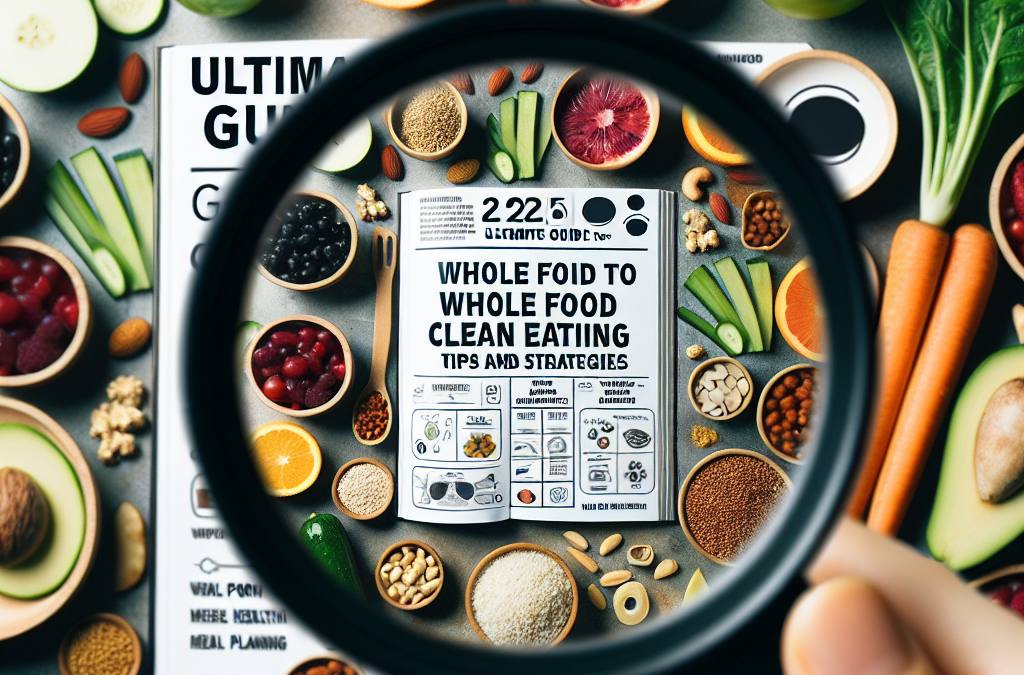
Implementing a whole food diet can significantly reduce inflammation through the incorporation of nutrient-dense, anti-inflammatory foods. Focus on incorporating fruits, vegetables, whole grains, nuts, seeds, and healthy fats while avoiding processed foods, sugars, and trans fats.
Understanding the specific foods that combat inflammation is crucial. Anti-inflammatory foods, such as berries, fatty fish, and leafy greens, are rich in antioxidants and omega-3 fatty acids, which help lower inflammatory markers in the body. Conversely, processed foods can worsen inflammation, making it essential to prioritize whole, minimally processed options.
Many people mistakenly believe that all fats are bad for their health. However, healthy fats found in avocados, olive oil, and nuts can actually support an anti-inflammatory diet. Balancing the intake of these fats while minimizing saturated and trans fats is vital for achieving the desired health benefits.
Key Anti-Inflammatory Foods
Incorporating specific foods into your diet can dramatically influence inflammation levels. Foods like berries, which are high in antioxidants, help reduce oxidative stress and inflammation. Fatty fish, such as salmon and mackerel, are rich in omega-3 fatty acids, known for their anti-inflammatory properties. Leafy greens, nuts, and seeds also play a vital role in an anti-inflammatory diet.
When selecting foods, prioritize those that are fresh and organic whenever possible. This not only maximizes nutrient intake but also minimizes exposure to harmful pesticides and additives that can exacerbate inflammation. A diet rich in whole foods fosters a healthier gut microbiome, which is increasingly recognized for its role in inflammation regulation.
Readers often overlook the importance of hydration in reducing inflammation. Drinking adequate water supports metabolic processes and helps flush out toxins. Aim for at least eight glasses of water daily, and consider incorporating herbal teas, such as ginger or turmeric tea, which have additional anti-inflammatory benefits.
Meal Planning Tips for an Anti-Inflammatory Diet
Effective meal planning is essential for maintaining a whole food diet. Start by creating a weekly menu that includes a variety of anti-inflammatory foods. Incorporate meals that feature colorful fruits and vegetables, whole grains, and healthy fats to ensure nutrient diversity.
Batch cooking can be a valuable strategy, allowing you to prepare larger quantities of healthy meals that can be stored and consumed throughout the week. This not only saves time but also helps you resist the temptation of processed foods during busy days. Additionally, consider preparing snacks like hummus with vegetable sticks or mixed nuts to maintain energy levels without resorting to unhealthy options.
Common pitfalls include neglecting to plan for meals ahead of time, leading to reliance on convenience foods that are often unhealthy. To avoid this, set aside time each week to plan your meals, shop for necessary ingredients, and prep foods in advance.
Common Mistakes to Avoid
One of the most significant mistakes people make when transitioning to a whole food diet is not reading labels carefully. Many foods marketed as healthy can still contain hidden sugars, preservatives, and unhealthy fats. Always check ingredient lists and nutrition labels to ensure you are making informed choices.
Another common error is not allowing enough time for the body to adjust to dietary changes. Gradually incorporating whole foods and reducing processed foods can lead to better long-term adherence and fewer digestive issues. Patience is key; significant changes in inflammation levels may take time to manifest.
Huge Discount on the Best Certified Organic Whole Food Supplement!
It’s also crucial to avoid viewing dietary changes as a temporary diet rather than a lifestyle change. Embrace the journey of improving your eating habits for lasting health benefits. Focus on making sustainable changes that fit your lifestyle rather than seeking quick fixes.
Further Reading
Authoritative Sources
- Anti-Inflammatory Diet: The Science Behind It
ncbi.nlm.nih.govThis resource provides an in-depth look at the scientific basis for anti-inflammatory diets and their impact on health
- The Anti-Inflammatory Diet
health.harvard.eduA comprehensive overview of the anti-inflammatory diet, including key foods and their benefits
- Mayo Clinic on Inflammation
mayoclinic.orgInsights from the Mayo Clinic on inflammation and dietary strategies to combat it
Frequently Asked Questions
What are the best foods to include in a whole food diet for inflammation?
Foods rich in antioxidants like berries, leafy greens, fatty fish, nuts, and seeds are excellent choices for reducing inflammation.
How long does it take to see results from a whole food diet?
While some may notice improvements in a few weeks, significant changes in inflammation levels can take several months.
Can I still eat grains on a whole food diet?
Yes, whole grains like quinoa, brown rice, and oats are beneficial and can be included in a whole food diet.
Is it necessary to avoid all processed foods?
While it’s not necessary to eliminate all processed foods, minimizing their intake and choosing minimally processed options is recommended.
How can I make meals more anti-inflammatory?
Incorporate a variety of colorful fruits and vegetables, healthy fats, and spices like turmeric and ginger to enhance anti-inflammatory properties.
Conclusion
Adopting a whole food diet rich in anti-inflammatory foods can significantly improve health and reduce inflammation. Focus on incorporating diverse, nutrient-dense foods while avoiding processed options. Meal planning and preparation will help you stay on track, and being aware of common mistakes can enhance your journey toward better health. Remember, the transition to a whole food lifestyle is a marathon, not a sprint, and prioritizing sustainable changes will yield the best long-term results.
Huge Discount on the Best Certified Organic Whole Food Supplement!
Related Content
- How Whole Foods Support Healthy Digestion After 50: Essential Foods and Practical Strategies
- How to Incorporate Organic Whole Foods into a Busy Lifestyle
- How Whole Foods Support Mental Health Naturally: Foods That Boost Mood and Cognitive Function
- The Best Whole Foods for Natural Detox: Top Choices for Cleansing Your Body
- The Best Whole Foods for Natural Detox: Top Choices for Cleansing Your Body