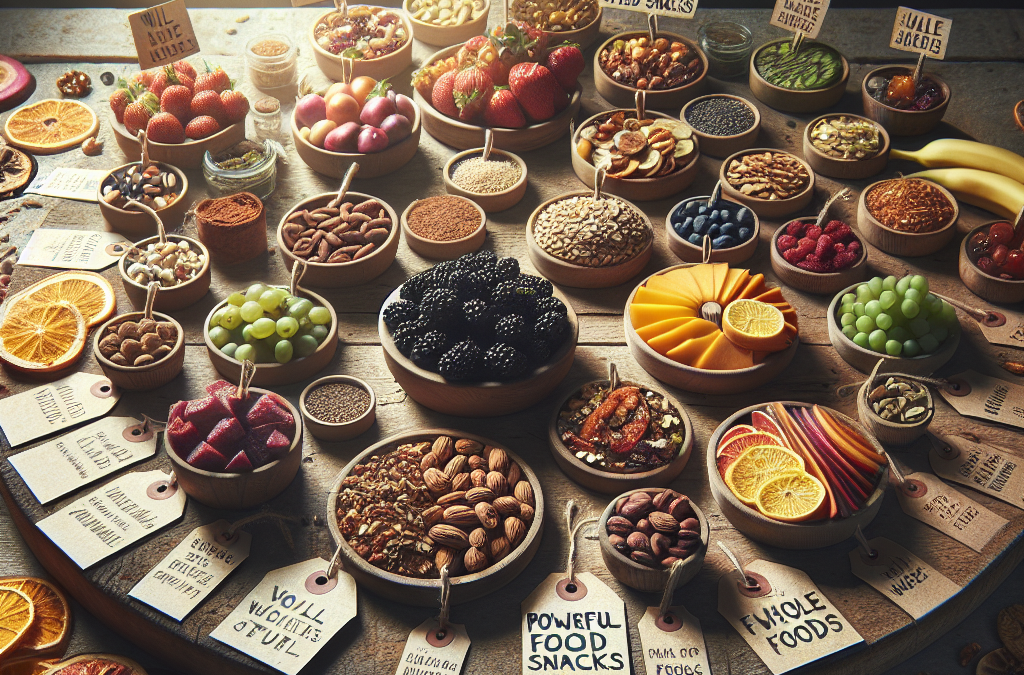
Whole food eating is essential for enhancing overall vitality as it provides essential nutrients, supports optimal bodily functions, and reduces the risk of chronic diseases. By focusing on whole, minimally processed foods, individuals can boost their energy levels, improve digestion, and promote long-term health.
To achieve the full benefits of whole food eating, it is crucial to understand the types of foods that contribute to vitality. Whole foods, such as fresh produce, nuts, seeds, legumes, and whole grains, are rich in vitamins, minerals, and antioxidants that play a significant role in maintaining energy levels and supporting bodily functions. By prioritizing these foods, individuals can avoid the pitfalls of processed options that often contain added sugars, unhealthy fats, and artificial ingredients.
Many people mistakenly believe that whole food eating is time-consuming or requires extensive meal planning. However, with a few simple strategies, anyone can incorporate whole foods into their diet. It’s essential to start with small changes, such as swapping out refined grains for whole grains or adding an extra serving of vegetables to each meal. This gradual approach can lead to lasting habits that significantly improve overall vitality.

Nutritional Benefits of Whole Foods
Whole foods are packed with nutrients that are vital for maintaining energy levels and overall health. These foods contain essential vitamins, minerals, fiber, and antioxidants, which contribute to bodily functions such as metabolism, immune response, and cellular repair. The consumption of whole foods can help prevent nutrient deficiencies and support optimal health.
One key advantage of whole foods is their high fiber content, which aids in digestion and helps regulate blood sugar levels. Foods like beans, whole grains, and fruits provide soluble and insoluble fiber, promoting a healthy gut microbiome. This balance is crucial for overall vitality as it can influence mood, energy levels, and even immune function.
Moreover, the nutrient density of whole foods means that they provide more vitamins and minerals per calorie compared to processed foods. This allows individuals to feel satisfied while consuming fewer calories, which can aid in weight management and reduce the risk of obesity-related diseases. Prioritizing whole foods over processed options is not just a dietary choice; it’s a lifestyle shift that can significantly impact long-term health.
Practical Meal Ideas for Whole Food Eating
Incorporating whole foods into your meals can be simple and enjoyable. Start by planning meals that focus on whole ingredients rather than processed items. For breakfast, consider oatmeal topped with fresh fruits and nuts, providing a hearty start to your day. For lunch, a salad filled with a variety of colorful vegetables, quinoa, and a protein source like grilled chicken or chickpeas can be both nutritious and satisfying.
Snacks are another opportunity to include whole foods. Instead of reaching for chips or candy, opt for whole fruits, raw vegetables with hummus, or a handful of nuts. These options not only provide essential nutrients but also curb hunger and prevent energy crashes.
Dinner can feature roasted vegetables paired with a lean protein source, such as fish or turkey, along with a serving of brown rice or whole grain pasta. Experimenting with herbs and spices can enhance flavors without relying on unhealthy additives. By creating meal plans centered around whole foods, individuals can enjoy diverse flavors while reaping the health benefits.
Common Mistakes in Whole Food Eating
One common mistake is assuming that all foods labeled as ‘natural’ or ‘healthy’ are whole foods. Many packaged items can still contain added sugars, preservatives, and unhealthy fats. It’s vital to read labels carefully and focus on purchasing whole foods in their natural state, such as fresh produce, whole grains, nuts, and seeds.
Another pitfall is the misconception that whole food eating requires extensive preparation time. While meal prep can be beneficial, many whole foods can be quickly prepared or eaten raw. For instance, smoothies made with whole fruits and vegetables can be prepared in minutes, making them a convenient option for busy lifestyles.
Lastly, individuals may struggle with variety in their meals, leading to boredom and potential dietary lapses. To avoid this, try to incorporate seasonal produce and experiment with new recipes. This not only keeps meals exciting but also ensures a broader range of nutrients in your diet.
Huge Discount on the Best Certified Organic Whole Food Supplement!
Long-Term Health Benefits
Embracing whole food eating can lead to numerous long-term health benefits. Research shows that diets rich in whole foods are associated with a lower risk of chronic diseases, including heart disease, diabetes, and certain cancers. The anti-inflammatory properties of many whole foods can also contribute to better joint health and reduced inflammation throughout the body.
Moreover, whole food diets can enhance mental health. Nutrient-rich foods support brain function, improve mood, and can even reduce symptoms of anxiety and depression. By focusing on whole foods, individuals can foster not only physical vitality but also emotional well-being.
Prioritizing whole foods can also lead to improved energy levels and better overall performance in daily activities. As the body receives the necessary nutrients, individuals may find themselves feeling more energized and capable of tackling day-to-day challenges. Investing in whole food eating is an investment in one’s long-term health and vitality.
Further Reading
Authoritative Sources
- ChooseMyPlate.gov
choosemyplate.govA reliable resource for understanding nutritional guidelines and how to incorporate whole foods into your diet
- EatRight.org
eatright.orgOffers evidence-based information on nutrition and how to make healthier food choices
- Nutritional Benefits of Whole Foods
ncbi.nlm.nih.govAn academic article discussing the impact of whole foods on health and vitality
Frequently Asked Questions
What are whole foods?
Whole foods are natural, unprocessed foods that are free from artificial ingredients and additives. Examples include fruits, vegetables, whole grains, nuts, and seeds.
How do whole foods improve vitality?
Whole foods are rich in essential nutrients that support bodily functions, enhance energy levels, and reduce the risk of chronic diseases.
Can I eat whole foods on a budget?
Yes, whole foods can be cost-effective. Buying seasonal produce, shopping in bulk, and choosing less expensive grains and legumes can help manage costs.
What are some quick whole food meal ideas?
Quick meal ideas include oatmeal with fruits, salads with mixed vegetables and proteins, or smoothies made from whole fruits and vegetables.
How can I incorporate more whole foods into my diet?
Start by gradually replacing processed foods with whole foods, planning meals around fresh ingredients, and experimenting with new recipes.
Conclusion
Whole food eating is a powerful approach to enhancing overall vitality by providing essential nutrients, improving energy levels, and promoting long-term health. By focusing on whole, minimally processed foods, individuals can experience significant benefits that extend beyond just physical well-being. Start small by incorporating whole foods into your meals and gradually shifting away from processed options. This transition not only supports your health but also sets the foundation for a sustainable lifestyle that prioritizes nutrition and vitality.
Huge Discount on the Best Certified Organic Whole Food Supplement!
Related Content
- Transform Your Life: How Whole Foods Help Manage Blood Pressure Naturally
- Embracing Vitality: The Whole Food Benefits for Women Over 40
- Why Whole Foods Improve Insulin Sensitivity: The Role of Nutrient Density and Glycemic Control
- How Whole Foods Support Healthy Digestion After 50: Key Foods and Their Impact on Gut Health
- The Top Whole Foods for Heart Health Support: Essential Foods for Cardiovascular Wellness