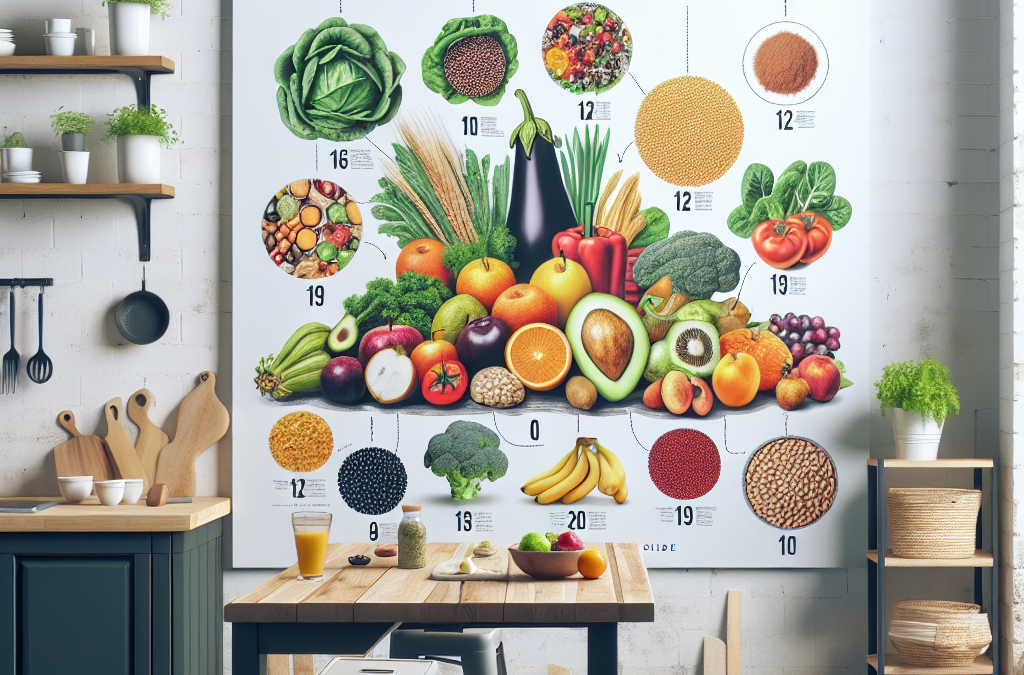
Whole food eating for reducing dependence on packaged foods focuses on consuming natural, unprocessed ingredients that foster health and well-being. By prioritizing fresh fruits, vegetables, whole grains, and lean proteins, individuals can minimize their reliance on convenience items that often contain added sugars, preservatives, and unhealthy fats.
The first step towards embracing whole food eating is understanding the common pitfalls associated with packaged foods. Many people underestimate the impact of hidden additives and preservatives found in these products, which can lead to weight gain, poor digestion, and other health issues. Prioritizing whole foods allows for better control over ingredient quality and nutritional content, ultimately supporting long-term health goals.
Additionally, the shift to whole food consumption can be daunting due to the convenience of packaged options. However, it is essential to recognize that planning and preparation can significantly ease this transition. By dedicating time to meal prep and creating a grocery list centered around whole foods, individuals can simplify their shopping and cooking experiences.

Understanding Whole Foods and Their Benefits
Whole foods are defined as foods that are minimally processed and free from artificial ingredients. This includes fresh fruits, vegetables, nuts, seeds, legumes, whole grains, and unprocessed meats. The benefits of consuming whole foods are numerous, including improved digestion, better energy levels, and enhanced nutrient intake. By avoiding packaged foods, individuals can reduce their exposure to unhealthy additives and preservatives that often contribute to chronic health issues.
Understanding the nutritional profile of whole foods is crucial for making informed dietary choices. Whole foods are rich in vitamins, minerals, and antioxidants that support various bodily functions. For instance, fruits and vegetables are packed with fiber, which aids in digestion and promotes satiety. By prioritizing these foods, individuals can create a balanced diet that nourishes the body while minimizing processed food consumption.
Moreover, incorporating whole foods into one’s diet can foster a greater appreciation for cooking and meal preparation. As individuals explore new recipes and ingredients, they often develop a more positive relationship with food, which can lead to sustained dietary changes.
Practical Steps for Transitioning to Whole Foods
Transitioning to whole foods requires a strategic approach to ensure long-term success. Start by evaluating your current eating habits and identifying areas where packaged foods dominate. Gradually replace these items with whole food alternatives, focusing on one meal or snack at a time to avoid overwhelming changes.
Creating a weekly meal plan can be an effective way to incorporate more whole foods into your diet. By planning meals ahead of time, you can ensure that you have the necessary ingredients on hand, reducing the temptation to reach for packaged options. Additionally, consider batch cooking to save time during the week; preparing large portions of whole food meals can simplify meal preparation and make it easier to stick to your new eating habits.
Another essential step is to educate yourself about seasonal produce and local food sources. Shopping at farmer’s markets or joining a community-supported agriculture (CSA) program can provide access to fresh, in-season ingredients while supporting local farmers. This not only enhances the quality of your meals but also fosters a connection to your food sources.
Meal Ideas to Replace Packaged Foods
When transitioning to whole food eating, having a repertoire of meal ideas can help ease the process. For breakfast, consider options like oatmeal topped with fresh fruits and nuts, or smoothies made with leafy greens, bananas, and almond milk. These meals are not only nutritious but also quick to prepare.
For lunch and dinner, focus on whole food combinations such as quinoa bowls with roasted vegetables, grilled chicken with a side of steamed broccoli, or hearty bean soups loaded with vegetables. These meals are satisfying and can be prepared in advance for convenience.
Huge Discount on the Best Certified Organic Whole Food Supplement!
Snacks can also be transformed with whole food options. Replace packaged snacks with fresh fruits, raw nuts, yogurt, or homemade energy bars made from dates and nuts. Having these alternatives readily available can make it easier to avoid reaching for unhealthy packaged snacks.
Common Mistakes to Avoid When Transitioning
While transitioning to whole foods can be beneficial, there are common mistakes that individuals should be aware of. One major pitfall is attempting to eliminate all packaged foods at once, which can lead to feelings of deprivation and frustration. Instead, focus on gradual changes and allow for occasional indulgences to maintain a balanced approach.
Another mistake is not properly educating oneself about whole food options. Not all whole foods are equal; for instance, some processed items labeled as “natural” can still contain unhealthy ingredients. Always read labels and be mindful of ingredient quality.
Finally, neglecting to plan meals and snacks can lead to reverting back to packaged options out of convenience. Regular meal planning and preparation are crucial for maintaining a whole food diet and ensuring that you have nutritious options readily available.
Further Reading
Authoritative Sources
- Eat Whole Foods
eatwholefoods.comA comprehensive resource on the benefits of whole foods and tips for integrating them into your diet
Frequently Asked Questions
What are whole foods?
Whole foods are natural, unprocessed foods that do not contain artificial ingredients or additives. Examples include fruits, vegetables, whole grains, nuts, and seeds.
How do I start eating whole foods?
Begin by gradually replacing packaged foods with whole food alternatives, creating a meal plan, and focusing on fresh, seasonal ingredients.
Can I still eat packaged foods?
While it is beneficial to minimize packaged foods, occasional consumption is acceptable. Focus on moderation and choose healthier options when possible.
What are some easy whole food meal ideas?
Some easy meal ideas include oatmeal with fruits for breakfast, quinoa bowls for lunch, and grilled chicken with vegetables for dinner.
How can I avoid common mistakes when transitioning to whole foods?
To avoid mistakes, make gradual changes, educate yourself about whole food options, and plan meals to ensure you have healthy choices available.
Huge Discount on the Best Certified Organic Whole Food Supplement!
Related Content
- 27 Delicious Whole Food Breakfast Ideas for a Healthy 2026!
- Natural Blood Sugar Management
- How Whole Foods Support Heart Health: Essential Nutrients and Foods for Cardiovascular Wellness
- Why Whole Foods Improve Focus and Productivity: Key Nutritional Benefits and Practical Choices
- The Truth About Whole Foods and Chronic Inflammation: Key Foods and Practices for Reducing Inflammation