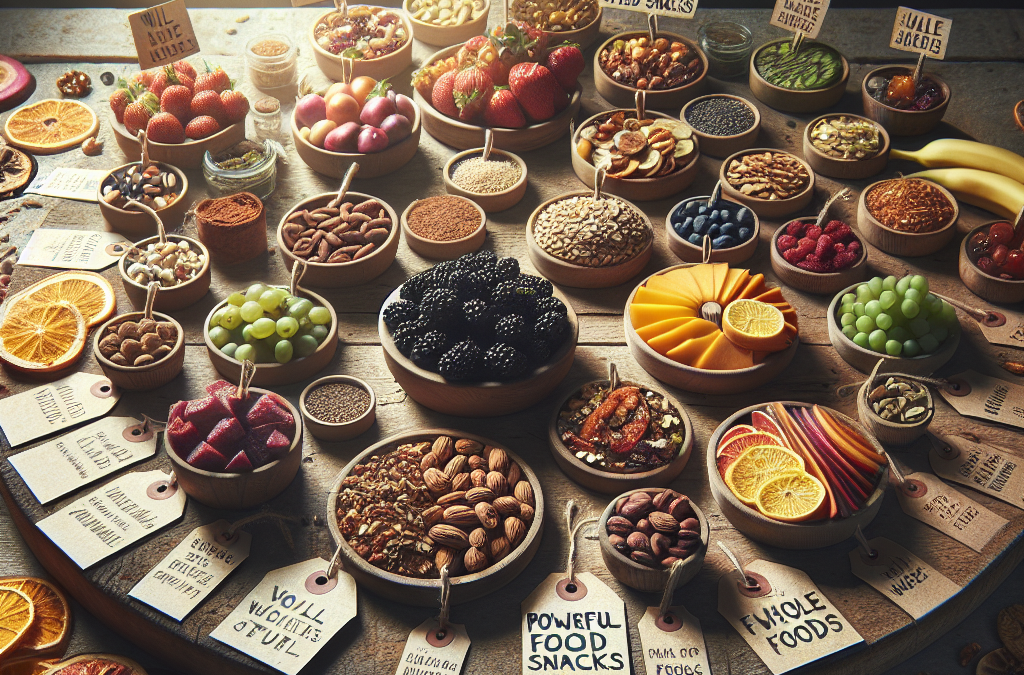
Whole food eating can significantly reduce late-night cravings by incorporating nutrient-dense options like fruits, vegetables, whole grains, and lean proteins. These foods stabilize blood sugar and promote satiety, making it easier to avoid unhealthy snacking.
Understanding the causes behind late-night cravings is essential. Often, these cravings stem from emotional triggers, boredom, or inadequate nutrition throughout the day. By ensuring balanced meals that include fiber and protein, you can decrease the likelihood of feeling hungry or unsatisfied at night. Additionally, being aware of your eating habits and emotional states can help identify patterns that lead to nighttime snacking.
Many people mistakenly believe that late-night cravings are simply a matter of lack of willpower. In reality, they can be influenced by various factors including stress, hormonal changes, and even the types of foods consumed during the day. It’s vital to recognize these influences and implement practical strategies to counteract them.

Understanding Late Night Cravings
Late-night cravings often arise from a combination of physiological and psychological factors. Hormonal fluctuations, particularly in ghrelin and leptin, can trigger feelings of hunger even when the body does not require additional calories. Additionally, emotional states such as stress or anxiety can lead to cravings for comfort foods, which are typically processed and high in sugar or unhealthy fats.
Recognizing these triggers is the first step in managing late-night eating. Keeping a food diary or tracking your emotional states can help identify patterns that lead to cravings. Often, people find that they crave specific types of foods based on their emotional state—sweet snacks during stress or salty snacks when bored. Addressing the underlying issues can be more effective than simply trying to resist the cravings.
Furthermore, many individuals overlook the importance of hydration. Dehydration can sometimes be mistaken for hunger, leading to unnecessary snacking. Drinking a glass of water before reaching for a snack can help determine if you are truly hungry or just dehydrated.
Nutritional Strategies to Combat Cravings
Implementing nutritional strategies is key to reducing late-night cravings. Consuming balanced meals throughout the day, rich in fiber and protein, can help maintain stable blood sugar levels. Foods like legumes, whole grains, and healthy fats can prevent the spikes and drops in blood sugar that often lead to cravings.
Incorporating snacks that are high in protein and fiber can also be beneficial. For example, a small serving of Greek yogurt with berries or a handful of nuts can satisfy hunger without leading to excessive calorie intake. Additionally, timing your meals to ensure you are not overly hungry by nightfall can help curb cravings.
One common mistake is relying on quick fixes or processed snacks that are marketed as healthy. Many of these options can contain hidden sugars or unhealthy fats that may exacerbate cravings later on. Always prioritize whole, minimally processed foods to support your overall nutritional goals.
Huge Discount on the Best Certified Organic Whole Food Supplement!
Practical Whole Food Options for Nighttime
When it comes to selecting snacks for late-night cravings, whole food options are the best choice. Fruits such as apples or pears provide natural sweetness along with fiber, which can help you feel full. Vegetables like carrots or cucumber slices can also be satisfying when paired with a healthy dip, such as hummus.
Whole grain options, like air-popped popcorn or whole grain toast with avocado, can provide a crunchy texture that many crave at night. These foods not only satisfy the urge to snack but also contribute valuable nutrients to your diet.
It’s important to prepare these snacks ahead of time to avoid reaching for unhealthy options when cravings hit. Keeping pre-cut vegetables or portioned nuts on hand can provide a quick solution when hunger strikes.
Further Reading
Authoritative Sources
- MedlinePlus
medlineplus.govConsumer-friendly medical and health information from the U.S. National Library of Medicine.
- National Institutes of Health
nih.govResearch-based health information and links to authoritative medical resources.
- Centers for Disease Control and Prevention
cdc.govOfficial public health guidance, prevention resources, and topic-specific recommendations.
- Mayo Clinic
mayoclinic.orgTrusted clinical guidance, symptom explainers, and treatment overviews.
- World Health Organization
who.intGlobal health guidance, fact sheets, and evidence-based public health information.
Frequently Asked Questions
What are the best whole foods to eat at night?
Fruits, vegetables, whole grains, and lean proteins are excellent choices. Options like apple slices, carrots with hummus, or whole grain toast can satisfy cravings without excessive calories.
How can I reduce my late-night cravings?
Ensure you eat balanced meals throughout the day, stay hydrated, and identify emotional triggers to better manage cravings.
Is it okay to snack at night?
Yes, but choose healthy, whole food options rather than processed snacks to avoid excess calories and sugar.
Can stress cause late-night cravings?
Absolutely. Stress can lead to cravings for comfort foods, often high in sugar and fat, making it essential to manage stress effectively.
How does hydration affect cravings?
Dehydration can often be mistaken for hunger, so staying hydrated throughout the day can help reduce unnecessary snacking at night.
Conclusion
Reducing late-night cravings through whole food eating is achievable with the right strategies. Focus on maintaining balanced meals, understanding your triggers, and preparing healthy snacks to support your goals. Remember, resisting cravings but also about making informed food choices that support your overall well-being. By prioritizing whole foods and being mindful of your eating habits, you can effectively manage those late-night urges.
Huge Discount on the Best Certified Organic Whole Food Supplement!
Related Content
- Unveiling the Unexpected Perks of Embracing a Whole Food Lifestyle
- Why Whole Foods Improve Focus and Productivity: Essential Nutrients and Food Choices
- Why Whole Foods Make You Feel Full Longer: Key Nutritional Factors and Their Impact
- The Top Whole Foods for Heart Health Support: Essential Foods for Cardiovascular Wellness
- The Whole Food Diet Benefits Most People Ignore: Essential Nutrients and Practical Choices