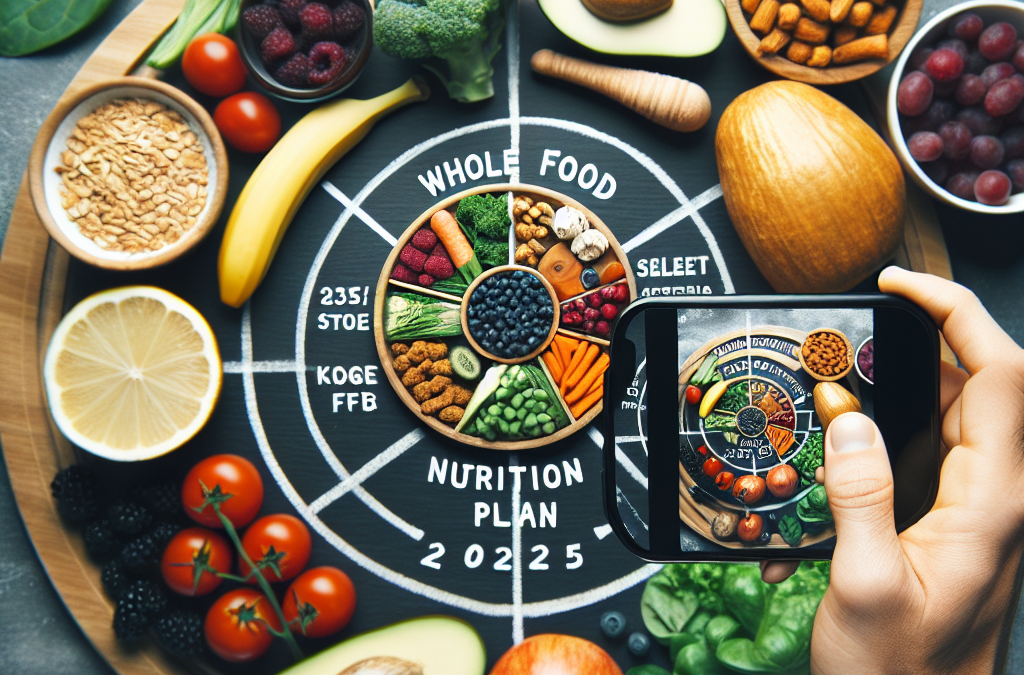
Whole food eating tips for busy professionals emphasize the importance of integrating nutrient-dense meals into hectic schedules. By focusing on whole grains, lean proteins, fruits, and vegetables, you can streamline meal preparation and enhance your overall health.
For busy professionals, effective meal planning is essential. Many often mistake convenience for quality, opting for fast food or heavily processed snacks, which can lead to energy crashes and decreased productivity. Instead, prioritize foods that are quick to prepare, such as pre-washed salad greens, canned beans, or frozen vegetables. These options not only save time but also provide essential nutrients that support sustained energy levels throughout the day.
A common mistake is underestimating the power of batch cooking. Preparing meals in advance can drastically reduce daily cooking time. For instance, cooking a large batch of quinoa or brown rice can serve as a versatile base for various dishes throughout the week. Additionally, consider investing in good storage containers to keep meals fresh and ready to grab on busy mornings.

The Importance of Whole Foods
Whole foods are minimally processed and retain their natural nutrients, making them a vital part of a healthy diet. Incorporating these foods helps maintain energy levels and supports overall well-being. Busy professionals often overlook the long-term benefits of whole foods, choosing convenience over health. However, prioritizing whole foods can lead to better focus and productivity in the workplace.
Understanding how whole foods impact health is essential. They provide essential vitamins, minerals, and fiber that processed foods lack. For example, whole grains like brown rice and quinoa are not only filling but also provide sustained energy release, unlike refined grains that can cause spikes in blood sugar. Recognizing the value of these foods can help busy professionals make smarter dietary choices.
Many professionals mistakenly believe that eating healthy requires extensive meal preparation. In reality, simple adjustments, like incorporating more whole foods into your diet, can significantly improve health without a time-consuming commitment. Focus on integrating whole foods gradually, which can make the transition smoother and more sustainable.
Quick Meal Prep Techniques
Efficient meal prep techniques can save time and stress for busy professionals. Planning meals around simple, whole food ingredients allows for flexibility and creativity while ensuring nutritional needs are met. Utilizing tools like slow cookers or instant pots can also simplify the cooking process.
Investing time in meal prep on weekends can yield significant benefits during the week. Consider preparing large batches of roasted vegetables, proteins, or grains that can be mixed and matched throughout the week. This strategy not only saves time but also reduces the temptation to resort to unhealthy fast food options during busy workdays.
Additionally, organizing your kitchen and pantry can enhance meal prep efficiency. Keep whole food ingredients readily accessible and visible. This encourages healthier choices and minimizes the time spent searching for ingredients when preparing meals.
Nutrient-Dense Snack Options
For busy professionals, having nutrient-dense snacks available is crucial for maintaining energy levels throughout the day. Opting for whole food snacks, such as fruits, nuts, or yogurt, can provide the necessary fuel without the sugar crashes associated with processed snacks.
Smart snacking involves choosing foods that offer a balance of macronutrients. For instance, pairing apple slices with almond butter provides healthy fats, fiber, and protein, making it a satisfying option. Preparing snack packs in advance can also ensure that healthy options are always on hand, reducing the likelihood of unhealthy choices.
Huge Discount on the Best Certified Organic Whole Food Supplement!
It’s important to be mindful of portion sizes when snacking. Even healthy snacks can contribute to excess calorie intake if consumed mindlessly. Using small containers to portion out snacks can help maintain control over intake while still enjoying the benefits of whole foods.
Avoiding Common Pitfalls
Many busy professionals fall into the trap of convenience, often choosing quick, unhealthy options instead of whole foods. Recognizing these pitfalls is the first step toward making better dietary choices. Fast food may seem like the easiest solution, but it can lead to long-term health issues and decreased productivity.
Staying prepared is crucial in avoiding these common mistakes. Creating a weekly meal plan that includes whole food options can help mitigate the temptation to grab fast food on busy days. Consider setting aside time each week to evaluate your meal plan and adjust it based on your schedule and needs.
Another mistake to avoid is neglecting hydration. Busy professionals often forget to drink enough water throughout the day. Incorporating hydrating foods like cucumbers, watermelon, or oranges can help maintain hydration levels while adding to your overall nutrient intake.
Further Reading
Authoritative Sources
- ChooseMyPlate.gov
choosemyplate.govThis resource offers practical advice on portion sizes and the benefits of incorporating whole foods into your diet
Frequently Asked Questions
What are whole foods?
Whole foods are foods that are minimally processed and free from artificial additives, including fruits, vegetables, whole grains, nuts, and seeds.
How can I incorporate whole foods into my busy schedule?
Plan meals in advance, batch cook on weekends, and keep quick, healthy snacks available to make whole food eating easier during busy days.
What are some quick meal prep ideas?
Prepare large batches of grains, roasted vegetables, and proteins that can be mixed and matched throughout the week for easy meal assembly.
Are snacks important for busy professionals?
Yes, nutrient-dense snacks help maintain energy levels, improve focus, and prevent unhealthy eating habits during busy workdays.
How do I avoid unhealthy eating habits?
Staying prepared with healthy meal plans and snacks, along with being mindful of hydration, can help avoid unhealthy eating habits.
Huge Discount on the Best Certified Organic Whole Food Supplement!
Related Content
- How to Prepare Whole Foods for Maximum Flavor
- How Whole Foods Help With Digestive Issues: Key Ingredients and Their Benefits
- How Whole Foods Improve Gut Microbiome Balance: Key Foods and Practical Steps
- Unlocking the Hidden Advantages: The Whole Food Diet Benefits for Beginners
- How Whole Foods Support Muscle Recovery: Essential Nutrients and Effective Choices