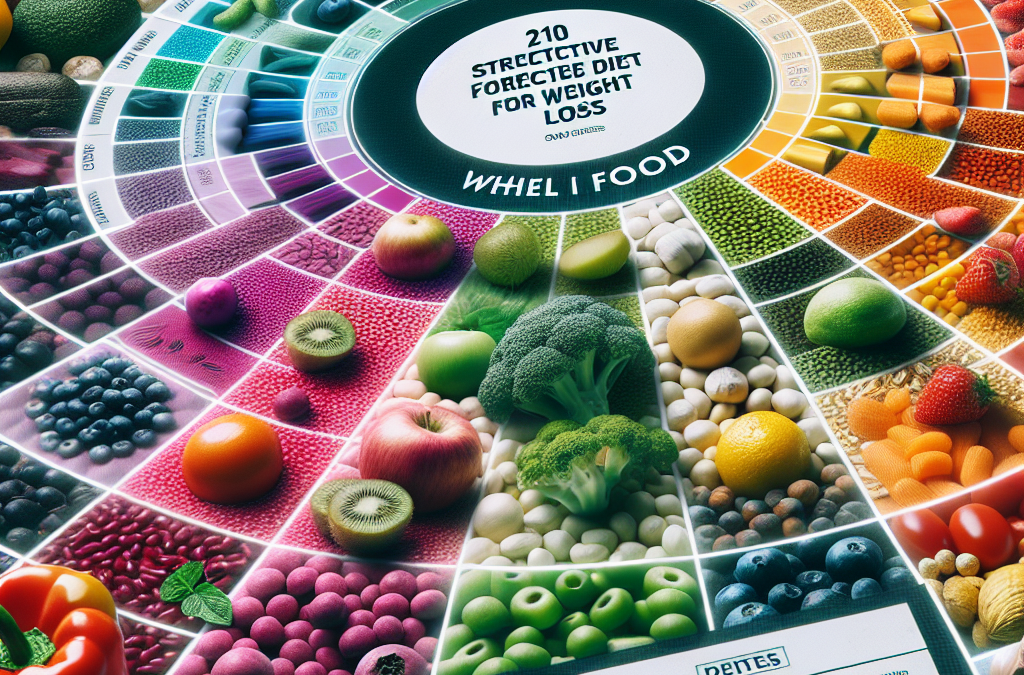
Adopting a whole food lifestyle offers numerous benefits for long-term wellness, including improved nutrient intake, better digestive health, and enhanced overall vitality. By prioritizing unprocessed foods rich in vitamins, minerals, and antioxidants, individuals can reduce the risk of chronic diseases and promote sustainable health.
In practice, embracing whole foods means making conscious choices about what to eat. This often involves learning to read labels, understanding the nutritional value of foods, and preparing meals from scratch. Many people mistakenly believe that a whole food lifestyle requires extensive cooking skills or time, but with planning and simple recipes, it can be integrated into even the busiest schedules. Prioritizing whole foods can lead to significant health improvements over time, such as weight management, enhanced energy levels, and better mental clarity.
Common pitfalls include relying too heavily on packaged items labeled as ‘natural’ or ‘organic’ without checking their ingredients. Additionally, individuals may struggle with cravings for processed foods, which can derail their progress. It’s essential to recognize these challenges and develop strategies to combat them, such as meal prepping, finding satisfying alternatives, and gradually transitioning to whole foods rather than making abrupt changes.
Understanding Whole Foods and Their Nutritional Value
Whole foods are minimally processed and free from artificial ingredients, which means they retain their natural nutrients. Fruits, vegetables, whole grains, and legumes are prime examples of whole foods that provide essential vitamins, minerals, and fiber. These nutrients play a crucial role in maintaining bodily functions and preventing diseases. For example, the antioxidants found in berries can help combat oxidative stress, while the fiber in whole grains supports digestive health.
Many individuals underestimate the importance of nutrient density, often opting for calorie-dense but nutrient-poor processed foods. This can lead to deficiencies over time. By focusing on whole foods, individuals can ensure they are getting a wide variety of nutrients necessary for optimal health. Prioritizing a colorful plate is a simple way to ensure a diverse nutrient intake, as different colors often indicate different health benefits.
It’s also important to consider the environmental impact of food choices. Whole foods typically have a smaller carbon footprint compared to processed foods, which require more resources for production and packaging. By choosing whole foods, not only are you benefiting your health, but you are also making a positive impact on the environment.
Practical Steps to Transition to a Whole Food Lifestyle
Transitioning to a whole food lifestyle can be accomplished through small, manageable steps. Start by gradually replacing processed snacks with whole food options like fruits, nuts, or homemade energy bars. Meal planning is an effective strategy that can help streamline grocery shopping and reduce the temptation to reach for convenience foods.
Additionally, consider exploring local farmers’ markets or community-supported agriculture (CSA) programs to access fresh, seasonal produce. This not only supports local farmers but also ensures you are consuming foods at their peak freshness and nutrient content. Investing in kitchen tools such as a good blender or food processor can also facilitate the preparation of whole foods, making it easier to create smoothies, soups, and sauces that are both nutritious and delicious.
Keep in mind that transitioning is a personal journey, and it’s important to listen to your body. Gradually introducing new foods and recipes can help ease the change and make the process enjoyable. Remember to celebrate small victories along the way, as these will keep you motivated to maintain your new lifestyle.
Common Mistakes to Avoid When Choosing Whole Foods
When adopting a whole food lifestyle, many people make the mistake of assuming that all organic or natural labels equate to healthiness. It’s crucial to read ingredient lists and nutrition labels carefully, as some products may still contain unhealthy additives or excessive sugars. Additionally, individuals might overlook the importance of portion sizes, thinking that since something is ‘whole,’ it can be consumed in unlimited quantities.
Another common pitfall is the reliance on processed whole food products, such as whole grain breads or snacks, which can still contain high levels of sodium, sugar, or preservatives. Instead, focus on whole foods that are as close to their natural state as possible. For example, choose brown rice over processed rice cakes or whole fruits over fruit juices.
Lastly, many individuals may become discouraged if they experience cravings for processed foods. Understanding that cravings are normal and developing strategies to manage them can help maintain commitment to a whole food lifestyle. This may include finding healthier alternatives or allowing occasional indulgences without guilt.
Huge Discount on the Best Certified Organic Whole Food Supplement!
Long-Term Health Benefits of a Whole Food Lifestyle
The long-term benefits of adopting a whole food lifestyle are extensive and well-documented. Research indicates that individuals who consume diets rich in whole foods have lower rates of chronic diseases such as heart disease, diabetes, and certain types of cancer. Whole foods are also linked to improved mental health and cognitive function due to their higher nutrient content.
Furthermore, a whole food lifestyle can enhance digestive health by providing ample fiber, which is essential for regular bowel movements and a healthy gut microbiome. This, in turn, can lead to better nutrient absorption and overall health. Many people also report increased energy levels and vitality after transitioning to a whole food diet, which can positively affect daily activities and overall quality of life.
Prioritizing whole foods can also foster a more mindful eating approach, allowing individuals to develop a healthier relationship with food. This mindfulness can lead to improved self-regulation, making it easier to maintain a balanced diet over time. Ultimately, the cumulative effects of these benefits can significantly enhance one’s quality of life and longevity.
Further Reading
Authoritative Sources
- The Benefits of Eating Whole Foods
health.harvard.eduThis article outlines the numerous health benefits associated with whole food consumption, including improved digestion and reduced disease risk
- Whole Foods: The Key to a Healthy Diet
ncbi.nlm.nih.govThis research paper discusses the role of whole foods in preventing chronic diseases and their impact on overall health
- The Power of Whole Foods
eatright.orgThis resource from the Academy of Nutrition and Dietetics highlights the nutritional advantages of whole foods compared to processed options
Frequently Asked Questions
What exactly are whole foods?
Whole foods are natural foods that are minimally processed and free from artificial ingredients, including fruits, vegetables, whole grains, nuts, and seeds.
How can I start incorporating more whole foods into my diet?
Begin by gradually replacing processed snacks with whole food options, meal planning, and exploring local farmers’ markets for fresh produce.
Are all organic foods considered whole foods?
No, not all organic foods are whole foods. It’s essential to read labels, as some organic products may still contain added sugars or preservatives.
Can a whole food lifestyle help with weight management?
Yes, a whole food lifestyle can aid in weight management by promoting nutrient-dense foods that keep you full longer and reduce cravings for unhealthy options.
What are the long-term benefits of a whole food lifestyle?
Long-term benefits include lower rates of chronic diseases, improved mental health, better digestive health, and increased energy levels.
Conclusion
Adopting a whole food lifestyle is a powerful choice for enhancing long-term wellness. By prioritizing nutrient-rich, minimally processed foods, individuals can significantly reduce the risk of chronic diseases while improving their overall health and vitality. As you transition, focus on practical steps such as meal planning, exploring fresh produce options, and avoiding common pitfalls like relying on processed alternatives. Remember that this journey is personal, and celebrating small victories will help keep you motivated. Embrace the process, and enjoy the numerous benefits that come with a commitment to whole foods.
Huge Discount on the Best Certified Organic Whole Food Supplement!
Related Content
- Unlock the Power of Whole Food and Gut Health in 2025 (Top Tips & Trends)
- Ditching Cravings: The Surprising Role of Whole Foods in Your Diet
- The Best Whole Foods for Sustainable Energy: Top Choices for Boosting Your Daily Vitality
- The Best Whole Foods for Fat Loss Support: Nutrient-Dense Options to Enhance Your Weight Loss Journey
- How Whole Foods Improve Liver Function Naturally: Essential Nutrients and Dietary Practices