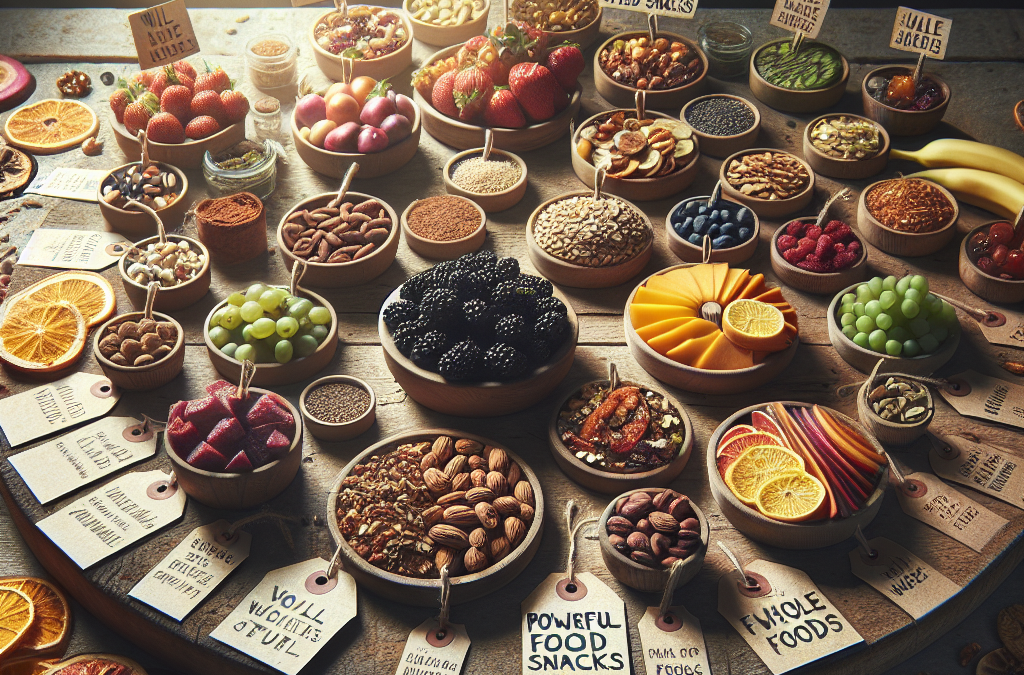
Whole food nutrition prioritizes the consumption of unprocessed, nutrient-dense foods, such as fruits, vegetables, whole grains, nuts, and legumes. In contrast, the Standard American Diet (SAD) is typically high in added sugars, refined grains, unhealthy fats, and processed foods.
One of the most critical aspects to consider is the impact of these diets on metabolism and overall well-being. Whole food nutrition encourages a diverse intake of vitamins, minerals, and antioxidants, which can enhance metabolic functions and reduce inflammation. On the other hand, the SAD often leads to nutrient deficiencies and poor metabolic health, resulting in increased hunger and cravings for unhealthy foods. Understanding these differences can help individuals make informed dietary choices that prioritize long-term health.
Moreover, transitioning from a SAD to a whole food nutrition approach can be challenging due to ingrained eating habits and lifestyle factors. It is essential to recognize common pitfalls, such as attempting to overhaul one’s diet too quickly or feeling overwhelmed by the abundance of information available. Gradually incorporating whole foods into meals and focusing on whole food recipes can facilitate this transition and promote sustainable dietary changes.

Nutritional Composition: Whole Foods vs. Processed Foods
Whole foods are packed with essential nutrients, including vitamins, minerals, fiber, and healthy fats, which are often stripped away in processed foods. For instance, fruits and vegetables provide antioxidants that combat oxidative stress, while whole grains offer fiber that aids digestion and promotes satiety. In contrast, processed foods frequently contain high levels of added sugars, unhealthy fats, and preservatives, which can lead to negative health outcomes.
Individuals consuming a diet rich in whole foods are more likely to meet their nutritional needs and maintain a healthy weight. A whole food diet can help regulate blood sugar levels and provide sustained energy throughout the day. Conversely, the Standard American Diet is associated with spikes in blood sugar, leading to increased hunger and cravings for more unhealthy foods.
It’s crucial to prioritize whole foods over processed options when planning meals. Focusing on seasonal fruits and vegetables, whole grains like quinoa and brown rice, and healthy fats from sources such as avocados and nuts can create a balanced and nutritious diet. This approach not only enhances overall health but also supports better energy levels and mental clarity.
Health Impacts of Whole Food Nutrition
The health benefits of embracing whole food nutrition are substantial and well-documented. Research indicates that diets high in whole foods are linked to a lower risk of chronic diseases, including heart disease, diabetes, and certain cancers. Whole foods provide nutrients that support immune function, promote healthy digestion, and enhance mental health.
For example, the fiber found in whole grains and legumes aids digestion and helps maintain a healthy gut microbiome, which is crucial for overall health. Additionally, whole foods are often lower in calories and higher in nutrients compared to processed foods, making them effective for weight management.
To maximize these health benefits, individuals should aim to fill their plates with a variety of colorful fruits and vegetables, whole grains, and lean proteins. This diversity not only ensures a broad spectrum of nutrients but also helps prevent monotony in meals, making it easier to stick to a whole food diet.
Practical Steps to Transition to Whole Food Nutrition
Transitioning to whole food nutrition involves gradual changes to eating habits and meal planning. Start by incorporating more whole foods into daily meals, such as adding a serving of vegetables to lunch or swapping refined grains for whole grains. Planning meals in advance can also help ensure that whole food options are readily available.
Shopping at local farmers’ markets can provide access to fresh, seasonal produce, making it easier to choose whole foods. Additionally, reading labels when purchasing packaged foods can help identify items with minimal processing and fewer additives. This practice encourages a more mindful approach to eating.
Creating a supportive environment is essential for successfully transitioning to whole food nutrition. Surrounding oneself with like-minded individuals or seeking out online communities focused on whole food eating can provide motivation and accountability. Furthermore, experimenting with new recipes can keep meals exciting and enjoyable.
Huge Discount on the Best Certified Organic Whole Food Supplement!
Common Mistakes When Shifting Diets
When transitioning to whole food nutrition, individuals often encounter several common mistakes that can hinder their progress. One frequent pitfall is expecting immediate results and becoming discouraged if changes aren’t noticed right away. It’s essential to understand that dietary changes take time to yield noticeable health benefits.
Another common mistake is not adequately preparing for the transition. Individuals may struggle if they don’t have a plan for meals or lack knowledge about how to cook with whole foods. Investing time in learning new cooking techniques and planning meals can significantly ease this transition.
Lastly, people sometimes fall back into old habits when faced with stress or social situations. It’s important to develop strategies for navigating these challenges, such as bringing whole food options to gatherings or finding supportive friends who share similar dietary goals.
Further Reading
Authoritative Sources
- Choose My Plate
choosemyplate.govA resource from the USDA outlining healthy eating patterns and the importance of whole foods
- Academy of Nutrition and Dietetics
eatright.orgOffers evidence-based information on nutrition, including the benefits of whole foods
- Harvard Health Publishing
health.harvard.eduProvides articles and research on nutrition and health, emphasizing whole food diets
Frequently Asked Questions
What are the main differences between whole food nutrition and the Standard American Diet?
Whole food nutrition focuses on unprocessed, nutrient-dense foods, while the Standard American Diet is high in processed foods, sugars, and unhealthy fats.
How can I start incorporating whole foods into my diet?
Begin by adding more fruits, vegetables, whole grains, and legumes to your meals, and gradually reduce processed food intake.
What are the health benefits of a whole food diet?
A whole food diet reduces the risk of chronic diseases, supports healthy weight management, and improves overall well-being.
What common mistakes should I avoid when transitioning to whole food nutrition?
Avoid expecting immediate results, not preparing meals in advance, and reverting to old habits during stress.
How do I maintain motivation when shifting to a whole food diet?
Engage with supportive communities, experiment with new recipes, and focus on the long-term health benefits to stay motivated.
Huge Discount on the Best Certified Organic Whole Food Supplement!
Related Content
- Unlocking Natural Wellness: How Whole Foods Support Mental Health Naturally
- Elevate Your Meals: How Whole Foods Improve Nutrient Density in Your Diet
- Maximizing Health: The Whole Food Advantage for Men Over 40
- Why Whole Foods Improve Body Composition: Essential Foods and Their Role in Fat Loss and Muscle Gain
- The Top Whole Foods for Heart Health Support: Essential Foods for Cardiovascular Wellness