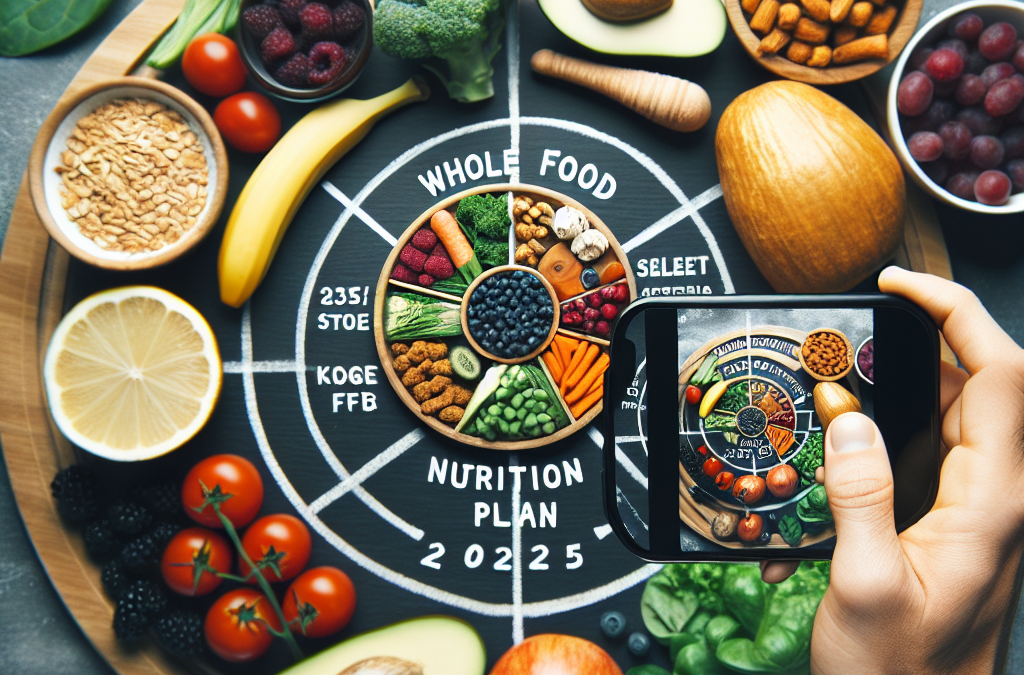
Whole food pantry essentials for beginners at home include staples like grains, legumes, nuts, seeds, and canned vegetables. These ingredients support healthy cooking by providing a foundation for nutritious meals, enabling you to create diverse dishes that are both satisfying and wholesome.
When starting your whole food journey, it’s crucial to focus on quality and variety. Whole grains like brown rice, quinoa, and oats offer complex carbohydrates and fiber, while legumes such as lentils, chickpeas, and black beans are excellent protein sources. Nuts and seeds add healthy fats and essential nutrients, making them valuable additions to your pantry. Canned vegetables, preferably low-sodium options, provide convenience without sacrificing nutrition.
Many beginners mistakenly assume that healthy cooking requires extensive preparation or exotic ingredients. In reality, a well-stocked pantry allows for quick and easy meals that can be tailored to your taste preferences. Prioritize purchasing organic options when possible, but do not let budget constraints deter you from embracing whole foods. Focus on purchasing in bulk to save money and reduce packaging waste, which can be a significant advantage for both your wallet and the environment.

Essential Grains for Your Pantry
Grains are a staple in any whole food pantry. They provide necessary carbohydrates, fiber, and various vitamins and minerals. Popular choices include brown rice, quinoa, and whole wheat pasta. Each of these grains has unique benefits: brown rice is versatile and filling, quinoa is a complete protein, and whole wheat pasta offers a hearty base for numerous dishes.
Choosing whole grains over refined options is essential for maximizing nutritional benefits. Whole grains retain their bran and germ, which are packed with nutrients and fiber that promote digestive health. Additionally, incorporating a variety of grains can enhance the flavors and textures of your meals. Consider experimenting with lesser-known grains like farro or millet to diversify your cooking.
Common mistakes include relying solely on white rice or pasta, which lack the nutrients found in whole grains. To make the transition easier, try mixing whole grains with familiar varieties to gradually adjust your palate. Remember, cooking grains in bulk and storing them can save time during busy weeks, allowing for quick meal preparation.
Legumes: A Protein Powerhouse
Legumes, including lentils, beans, and peas, are vital for a whole food pantry due to their high protein and fiber content. They are not only nutritious but also incredibly versatile. You can use them in soups, salads, and even as meat substitutes in various dishes.
When buying legumes, consider both dried and canned options. Dried legumes are often more economical and have a longer shelf life, while canned varieties offer convenience. If you choose canned legumes, opt for low-sodium versions to minimize added salt. Cooking dried legumes can be made easier by soaking them overnight or using a pressure cooker.
A common pitfall is underestimating the cooking time of dried legumes, which can lead to frustration. To avoid this, plan ahead and prepare larger batches that can be frozen for later use. This ensures you always have a nutritious protein source on hand.
Nuts and Seeds for Nutritional Balance
Nuts and seeds are essential for adding healthy fats, protein, and various vitamins and minerals to your diet. Common options include almonds, walnuts, chia seeds, and flaxseeds. These ingredients can enhance the nutritional profile of meals and snacks, making them more satisfying and nourishing.
Incorporating a variety of nuts and seeds into your pantry allows for diverse culinary applications. Use nuts in granola, salads, or as toppings for yogurt, while seeds can be added to smoothies or baked goods for an extra nutrient boost. They also provide a satisfying crunch and richness to dishes.
Many beginners overlook the potential of nuts and seeds because of their calorie density. However, when consumed in moderation, they can play a crucial role in a balanced diet. Be cautious of added sugars and salts in some packaged nuts, and opt for raw or lightly roasted varieties whenever possible.
Canned and Frozen Vegetables
Canned and frozen vegetables are practical additions to any whole food pantry. They provide essential vitamins and minerals while offering convenience for quick meal preparation. Opt for low-sodium canned vegetables and frozen options without added sauces or preservatives to maintain their nutritional value.
Using canned or frozen vegetables can save time and reduce food waste, especially when fresh produce is not available. They can be easily incorporated into soups, stews, and stir-fries, ensuring you have a nutritious meal ready in minutes. Additionally, having a variety of colors and types of vegetables on hand can enhance the nutritional diversity of your meals.
Huge Discount on the Best Certified Organic Whole Food Supplement!
A common mistake is relying solely on fresh produce, which can spoil quickly. Having canned and frozen options ensures you can always create a healthy meal, regardless of the season. Stock up on a mix of vegetables to keep your meals interesting and nutrient-rich.
Herbs, Spices, and Natural Sweeteners
Herbs and spices are crucial for adding flavor to whole food dishes without relying on unhealthy additives. Stocking your pantry with a range of herbs and spices can elevate your cooking, making meals more enjoyable and satisfying. Popular choices include basil, oregano, cumin, and turmeric.
Natural sweeteners, such as honey, maple syrup, and dates, can also be useful for enhancing flavors in a healthy way. These alternatives can satisfy your sweet tooth while providing additional nutrients compared to refined sugars. Use them sparingly to keep your overall sugar intake in check.
Many beginners underestimate the impact that herbs and spices can have on meal preparation. Experimenting with different combinations can lead to discovering new favorite dishes. Remember to store dried herbs and spices in a cool, dark place to maintain their potency, and consider growing fresh herbs at home for added flavor and convenience.
Further Reading
Authoritative Sources
- Stocking Your Pantry
eatright.orgThis resource offers guidance on stocking a pantry with nutritious foods, emphasizing whole food choices for healthy eating
- Choose My Plate
choosemyplate.govProvides helpful insights into balanced eating and essential food groups to consider when stocking your pantry
- How to Stock Your Pantry
health.harvard.eduHarvard Health discusses the importance of a well-stocked pantry and offers tips for selecting healthy ingredients
Frequently Asked Questions
What are the best grains to have in a whole food pantry?
The best grains include brown rice, quinoa, oats, and whole wheat pasta, as they provide essential nutrients and fiber.
How can I store legumes effectively?
Store dried legumes in airtight containers in a cool, dark place. Cooked legumes can be stored in the refrigerator for up to five days.
Are canned vegetables healthy?
Yes, canned vegetables can be healthy if you choose low-sodium options and check for added preservatives.
What is the best way to incorporate nuts and seeds into my diet?
Add nuts and seeds to salads, smoothies, or yogurt for a nutritious boost. They can also be used in baking or as toppings.
How do I choose natural sweeteners?
Look for options like honey, maple syrup, or dates, and use them sparingly to enhance flavors without excessive sugar intake.
Conclusion
Building a whole food pantry is a crucial step for beginners aiming to create healthy meals at home. Focus on stocking essential grains, legumes, nuts, seeds, and a variety of canned or frozen vegetables. Incorporate herbs, spices, and natural sweeteners to enhance flavors without compromising nutrition. By prioritizing quality and variety, you can ensure that your pantry supports your health goals and makes cooking enjoyable. Start with these essentials, and you’ll be well on your way to mastering whole food cooking.
Huge Discount on the Best Certified Organic Whole Food Supplement!
Related Content
- Elevate Your Spirits: How Whole Foods Improve Mood Naturally
- How Whole Foods Support Immune System Strength: Essential Nutrients for Optimal Defense
- Transform Your Body: Understanding Why Whole Foods Improve Body Composition
- Transforming Metabolism: The Surprising Link Between Whole Foods and Insulin Sensitivity
- How Whole Foods Support Heart Health: Essential Nutrients and Dietary Choices