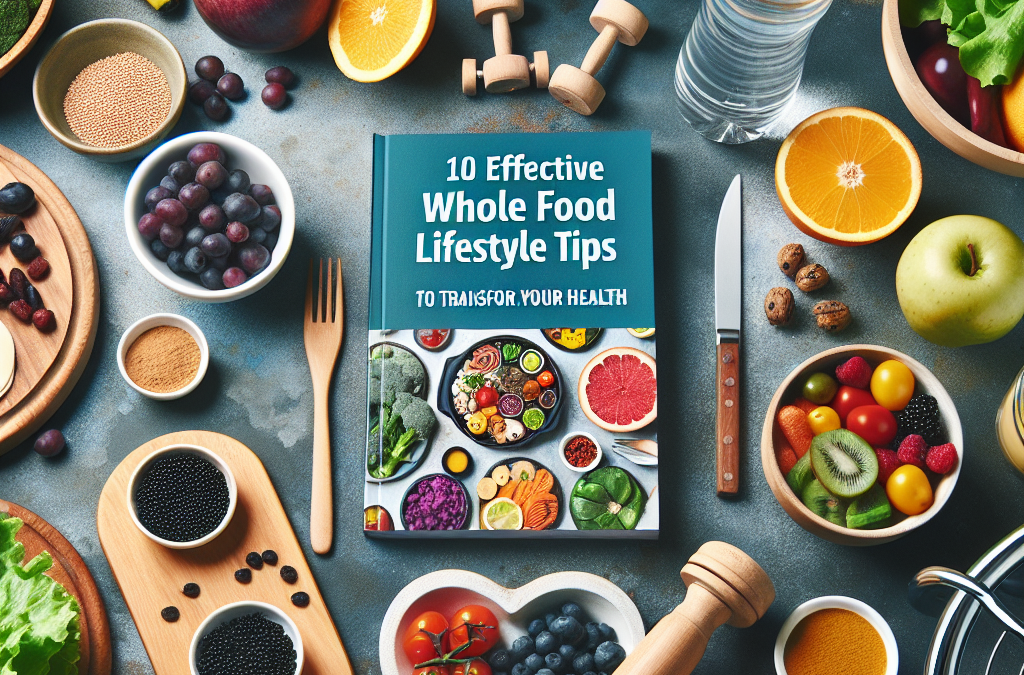
Whole food swaps for common processed ingredients involve replacing processed items with natural, nutrient-dense alternatives. For example, using avocado instead of mayonnaise or whole grain flour instead of white flour can enhance the nutritional profile of your meals while reducing additives and preservatives.
Making these swaps is essential for anyone looking to improve their diet. Processed ingredients often contain unhealthy fats, sugars, and preservatives that can negatively impact health. By opting for whole foods, individuals can not only enhance the flavor of their dishes but also increase the nutritional value. Understanding which ingredients to swap and how to implement these changes in everyday cooking can make a significant difference in overall well-being.
A common pitfall many encounter is the assumption that whole food alternatives will not taste as good or will be too complicated to use. In reality, many whole food swaps are simple to implement and can enhance the flavor of your meals. Prioritizing these alternatives can lead to healthier eating habits and improved cooking skills.
Understanding Processed Ingredients
Processed ingredients are foods that have been altered from their original form, often to enhance flavor, shelf life, or convenience. Examples include refined sugars, white flour, and artificial flavorings. These ingredients can contribute to various health issues, including obesity, heart disease, and diabetes, due to their high amounts of unhealthy fats, sugars, and sodium.
Recognizing processed ingredients is crucial for making informed dietary choices. Many people may not realize that even seemingly innocuous items like salad dressings or bread can contain a host of additives. By becoming familiar with ingredient labels and their implications, individuals can better navigate their food choices and opt for healthier alternatives.
One common misconception is that all processed foods are unhealthy. While some processing methods can strip away nutrients, others, such as freezing or canning, can preserve food without significant nutrient loss. Identifying the difference can help consumers make smarter choices.
Common Whole Food Swaps
There are numerous whole food swaps that can easily replace processed ingredients in your kitchen. For instance, instead of using white sugar, try using honey or maple syrup, which offer natural sweetness along with additional nutrients. Another example is substituting refined oils with olive or avocado oil, which provide healthy fats and antioxidants.
Incorporating these swaps into your meals can be straightforward. For example, if a recipe calls for white rice, consider using quinoa or brown rice instead, both of which provide more fiber and nutrients. Similarly, replacing conventional pasta with spiralized vegetables can significantly increase the vegetable content of your dish.
Readers often overlook the versatility of these swaps. Many whole foods can be used in various ways, allowing for creativity in cooking. For example, mashed bananas can replace eggs in baking, providing moisture and sweetness without the cholesterol. Understanding the role of each ingredient can help in making appropriate substitutions.
Benefits of Whole Food Swaps
Opting for whole food swaps brings numerous health benefits. These alternatives are generally lower in calories and higher in essential nutrients, such as vitamins, minerals, and fiber. For instance, using whole grain flour instead of white flour not only increases fiber intake but also helps regulate blood sugar levels.
Moreover, whole foods are typically free from artificial additives and preservatives, which can have adverse health effects over time. By focusing on whole ingredients, individuals can reduce the risk of chronic diseases and improve their overall health. Additionally, whole foods often have richer flavors, enhancing the culinary experience.
However, it is essential to recognize that some whole food swaps may require adjustments in recipes. For example, using almond flour instead of regular flour may yield different textures in baked goods. Understanding these nuances can help in achieving the desired results while maintaining health benefits.
Huge Discount on the Best Certified Organic Whole Food Supplement!
How to Implement Swaps in Your Cooking
Implementing whole food swaps in your cooking can be a gradual process. Start by identifying one or two processed ingredients in your pantry that you can replace with whole food alternatives. For example, switch out white bread for whole grain or sourdough bread. This simple change can significantly impact your overall diet.
Meal planning can also facilitate the incorporation of these swaps. When preparing meals, think about how you can substitute processed ingredients with whole foods. For instance, if you plan to make a stir-fry, consider using cauliflower rice instead of traditional rice. This not only adds more vegetables to your meal but also lowers the carbohydrate content.
It’s important to experiment and find what works best for your taste preferences. Some may find certain swaps more palatable than others. Keeping an open mind and being willing to try new ingredients can lead to exciting culinary discoveries.
Further Reading
For those looking to explore more about whole food swaps and their benefits, several authoritative resources can provide additional insights and recipes. Consider checking the following:
Authoritative Sources
- Eat Well
eatwell.comThis site offers extensive resources on healthy eating, including whole food alternatives to processed ingredients
- Nutrition Society
nutrition.orgProvides scientific insights into the benefits of whole foods and dietary recommendations
Frequently Asked Questions
What are some easy whole food swaps for baking?
Common swaps include using applesauce instead of oil, mashed bananas instead of eggs, and whole grain flour instead of white flour.
How can I make my meals healthier without sacrificing flavor?
Incorporate herbs and spices for flavor, and use whole food swaps like olive oil for butter and fresh vegetables for processed options.
Are all processed foods unhealthy?
No, not all processed foods are unhealthy. Some processing methods, like freezing or fermenting, can preserve nutrients while enhancing flavor.
What are some common mistakes when making swaps?
A common mistake is expecting the same taste or texture as processed ingredients. It’s important to experiment and adjust recipes accordingly.
How do whole food swaps impact my health?
Whole food swaps can lower the intake of unhealthy fats and sugars, increase nutrient density, and help reduce the risk of chronic diseases.
Conclusion
Incorporating whole food swaps for common processed ingredients is a practical approach to enhancing your diet and improving overall health. By understanding the benefits of these alternatives and gradually implementing them in your cooking, you can create nutritious meals without compromising on flavor. Prioritize whole foods for a healthier lifestyle, and don’t be afraid to experiment in the kitchen—your taste buds and body will thank you.
Huge Discount on the Best Certified Organic Whole Food Supplement!
Related Content
- How Whole Foods Support Stable Energy All Day: Key Nutrient Sources and Their Impact
- Uncovering Nature’s Best: Whole Foods That Naturally Combat Aging
- How Whole Foods Support Healthy Cholesterol Levels: Top Foods and Nutritional Strategies
- Whole Foods for Supporting Healthy Eyes
- The Surprising Impact of Whole Foods on Appetite Regulation