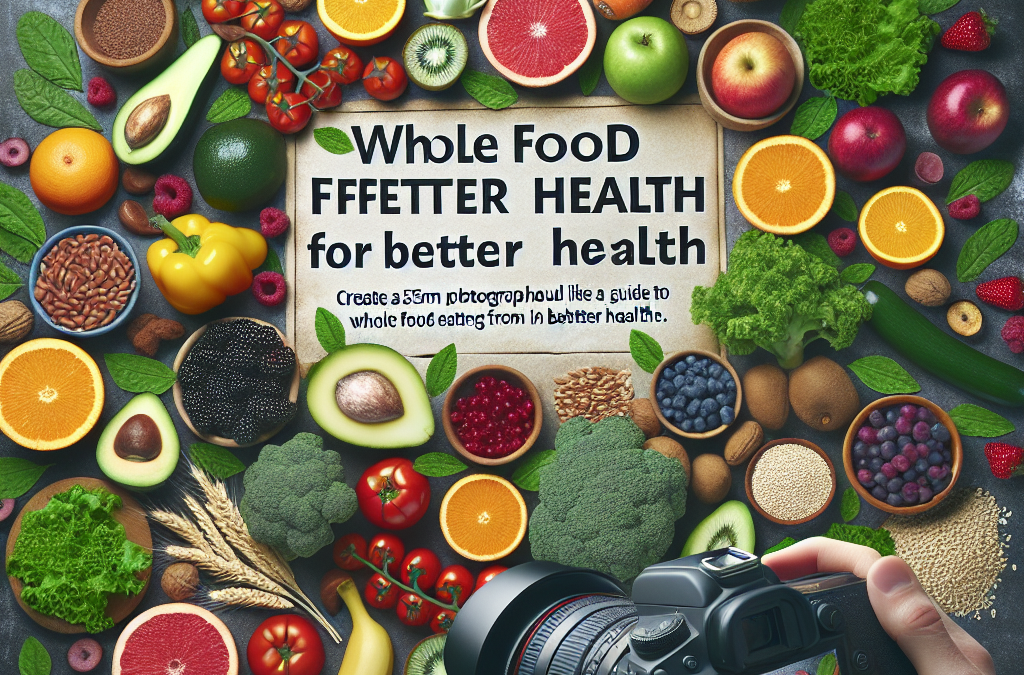
Whole foods contribute significantly to reducing belly fat by promoting satiety and providing essential nutrients while minimizing processed ingredients that can lead to weight gain. Foods like fruits, vegetables, whole grains, and healthy fats can enhance metabolism and support fat loss, especially around the abdominal area.
To effectively leverage whole foods for belly fat reduction, it’s crucial to understand how they impact your body. Whole foods are rich in nutrients that support metabolic processes and hormonal balance, both of which play vital roles in fat loss. Additionally, avoiding refined sugars and unhealthy fats found in processed foods can prevent insulin spikes, which are often linked to fat storage, particularly in the belly area.
Understanding Whole Foods and Their Benefits
Whole foods are minimally processed and free from artificial ingredients, providing the body with necessary nutrients without the added sugars and unhealthy fats common in processed foods. This means they not only support overall health but also assist in weight management. By focusing on whole foods, you can improve digestion, increase energy levels, and ultimately create a caloric deficit that is essential for fat loss.
When you consume whole foods, you benefit from their natural fiber content, which slows digestion and helps regulate blood sugar levels. This regulation is crucial because unstable blood sugar can lead to cravings and overeating. Prioritizing whole foods can therefore create a more sustainable eating pattern conducive to long-term weight management.
Key Whole Foods That Aid in Fat Loss
Several specific whole foods have been shown to aid in fat loss, particularly around the belly area. Foods such as avocados, berries, leafy greens, and legumes are excellent choices. They are low in calories but high in fiber and essential nutrients, making them ideal for weight loss.
For instance, avocados provide healthy fats that can enhance satiety, while berries are rich in antioxidants that can help reduce inflammation, a contributor to weight gain. Incorporating these foods into your diet can create a balanced approach to eating that supports fat loss without the need for restrictive dieting.
Practical Tips for Incorporating Whole Foods
To effectively incorporate whole foods into your diet, start by replacing processed snacks with whole food alternatives. For example, swap chips for sliced vegetables and hummus or fruit. Additionally, planning meals around whole grains, such as quinoa or brown rice, can help you maintain a balanced diet.
Meal prepping can also be a useful strategy, allowing you to have healthy options readily available and reducing the temptation to reach for processed foods. Focus on creating a diverse range of meals that include various whole foods to ensure you receive a comprehensive array of nutrients while keeping your meals interesting.
Huge Discount on the Best Certified Organic Whole Food Supplement!
Further Reading
For those interested in a deeper understanding of how whole foods can impact weight loss and overall health, consider exploring reputable nutrition sources or consulting with a registered dietitian. Understanding the science behind nutrition can empower you to make informed dietary choices.
Further Reading
Authoritative Sources
- Ready.gov
ready.govOfficial U.S. preparedness guidance, checklists, and planning resources for households and emergencies.
- FEMA
fema.govFederal emergency management resources, disaster planning information, and recovery guidance.
- American Red Cross Emergency Preparedness
redcross.orgPractical emergency preparation steps, supply lists, and safety guidance for families.
- National Weather Service
weather.govOfficial forecasts, hazard alerts, and weather safety information.
- CDC Emergency Preparedness and Response
cdc.govPublic health guidance for emergencies, disasters, and recovery situations.
Frequently Asked Questions
What are whole foods?
Whole foods are foods that are minimally processed and free from artificial ingredients, such as fresh fruits, vegetables, whole grains, and legumes.
How do whole foods help with weight loss?
They are rich in nutrients and fiber, which promote satiety, stabilize blood sugar levels, and reduce cravings, helping to manage caloric intake.
Can I lose belly fat by only eating whole foods?
While whole foods can significantly aid in weight loss, a balanced approach that includes regular physical activity is also essential for effective fat loss.
What are some examples of whole foods?
Examples include fresh fruits and vegetables, whole grains like quinoa and brown rice, nuts, seeds, and legumes such as beans and lentils.
How can I start incorporating more whole foods into my diet?
Begin by replacing processed snacks with whole food options, planning meals around whole grains, and experimenting with a variety of fruits and vegetables.
Conclusion
Incorporating whole foods into your diet is a practical and effective strategy for reducing belly fat. By focusing on nutrient-dense options, you can enhance satiety, regulate blood sugar, and avoid the pitfalls of processed foods. Prioritize whole grains, fruits, and vegetables while planning meals that keep your diet varied and enjoyable. This approach not only supports fat loss but also fosters overall health and well-being, making it a sustainable lifestyle choice.
Huge Discount on the Best Certified Organic Whole Food Supplement!
Related Content
- Optimize Your Gut: Mastering How Whole Foods Improve Digestion Quickly
- Maximizing Health: The Whole Food Advantage for Men Over 40
- Boost Your Immunity: Exploring How Whole Foods Support Immune System Strength
- Uncovering Nature’s Best: Whole Foods That Naturally Combat Aging
- Optimize Your Gut: Mastering How Whole Foods Improve Digestion Quickly