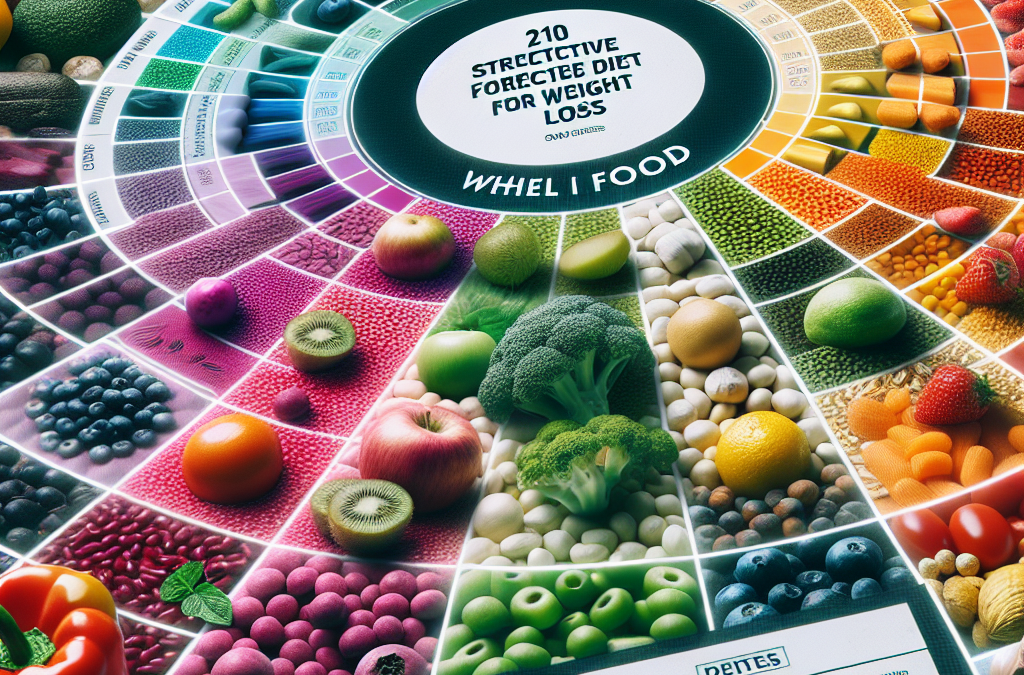
Whole foods play a crucial role in combating food addictions by delivering essential nutrients that stabilize blood sugar levels and curb cravings. Unlike processed foods, which often lead to spikes and crashes in energy, whole foods provide a steady release of energy due to their high fiber content and low glycemic index.
For many individuals, food addictions stem from imbalanced diets that lack adequate nutrients. When the body is deprived of essential vitamins, minerals, and healthy fats, it can trigger cravings for sugary or high-calorie foods as a form of compensation. Incorporating whole foods—such as fruits, vegetables, whole grains, nuts, and lean proteins—can help restore this balance and promote healthier eating habits.
Moreover, whole foods are often more satisfying due to their nutrient density. Foods rich in protein and healthy fats, like avocados and legumes, can promote a feeling of fullness that processed snacks cannot provide. This satiety is key in reducing the likelihood of overeating and making impulsive food choices that contribute to addiction.

The Role of Nutrient Density
Nutrient density refers to the amount of essential nutrients a food contains relative to its calorie content. Whole foods, such as fruits, vegetables, and whole grains, are typically high in vitamins, minerals, and fiber while being lower in calories. This means that by consuming whole foods, individuals can meet their nutritional needs without overindulging in calories. This is particularly vital for those struggling with food addictions, as nutrient-dense foods can help satisfy the body’s requirements, thereby reducing the desire for unhealthy alternatives.
A common mistake is to focus solely on calorie counting rather than nutritional quality. This can lead to a cycle of deprivation and binge eating, particularly with processed foods, which are often calorie-dense but nutrient-poor. By prioritizing whole foods, individuals can nourish their bodies appropriately, leading to better energy levels and reduced cravings.
Furthermore, the consumption of whole foods can support overall health beyond just addiction reduction. A balanced intake of nutrients enhances metabolic processes, improves mood, and supports cognitive function, all of which can influence eating behaviors and food choices.
Understanding Cravings and Whole Foods
Cravings are often driven by biochemical reactions within the body, particularly involving hormones like insulin and ghrelin. Consuming high-sugar and high-fat processed foods can disrupt these hormones, leading to increased hunger and cravings. Whole foods, in contrast, help regulate these hormones by providing a steady source of energy, preventing the rapid fluctuations that can trigger cravings.
One common pitfall is the assumption that cravings are purely psychological. While emotional factors do play a role, the physiological responses to food intake are significant. For instance, a diet low in fiber can lead to feelings of hunger sooner, prompting individuals to reach for quick fixes rather than wholesome options. By incorporating high-fiber foods like beans, oats, and vegetables, individuals can maintain a more stable appetite and reduce the likelihood of succumbing to cravings.
Additionally, understanding the triggers for cravings, such as stress or lack of sleep, can help individuals make more informed choices. Recognizing these patterns allows for proactive strategies, such as meal planning with whole foods, to mitigate cravings before they arise.
Practical Steps to Incorporate Whole Foods
Incorporating whole foods into your diet doesn’t have to be overwhelming. Start by making small changes, such as replacing processed snacks with fruits or nuts. Gradually increase your intake of vegetables by adding them to every meal, aiming for a variety of colors to maximize nutrient diversity.
Huge Discount on the Best Certified Organic Whole Food Supplement!
Meal prepping can also be an effective strategy. Preparing meals in advance using whole ingredients can reduce the temptation to reach for convenience foods when hunger strikes. Consider batch cooking grains and roasting vegetables at the beginning of the week to have nutritious options readily available.
Another effective approach is to focus on whole food recipes that are satisfying and easy to prepare. For instance, smoothies packed with leafy greens, fruits, and a source of protein can serve as a filling breakfast or snack. This not only helps to meet nutritional needs but also keeps cravings at bay.
Further Reading
Authoritative Sources
- What Are Whole Foods?
eatright.orgThis resource provides an overview of whole foods and their benefits, helping readers understand how they can improve their diet
Frequently Asked Questions
What are whole foods?
Whole foods are minimally processed foods that retain their natural nutrients, such as fruits, vegetables, whole grains, nuts, and seeds.
How do whole foods help with cravings?
Whole foods provide essential nutrients and fiber that help stabilize blood sugar levels, reducing hunger and cravings for unhealthy foods.
Can whole foods really reduce food addictions?
Yes, by nourishing the body and promoting satiety, whole foods can help individuals overcome cravings associated with food addictions.
What are some examples of whole foods?
Examples include fresh fruits, vegetables, whole grains like brown rice, legumes, nuts, and seeds.
How can I start eating more whole foods?
Begin by incorporating more fruits and vegetables into your meals, choosing whole grains over refined ones, and preparing meals with unprocessed ingredients.
Conclusion
In summary, whole foods are instrumental in reducing food addictions by providing the nutrients necessary for stabilizing cravings and promoting a healthier relationship with food. By focusing on nutrient-dense options, individuals can not only satisfy their hunger but also support their overall well-being. Incorporating practical strategies like meal prepping and gradually replacing processed foods with whole foods can lead to lasting dietary changes. Ultimately, prioritizing whole foods lays the foundation for a balanced diet that fosters better health and reduced food cravings.
Huge Discount on the Best Certified Organic Whole Food Supplement!
Related Content
- The Role of Whole Foods in Preventing Alzheimer’s Disease
- Why Whole Foods Help With Hormone Balance: Key Nutrients and Their Effects
- How Whole Foods Help With Digestive Issues: Key Ingredients and Their Benefits
- The Truth About Whole Foods and Chronic Inflammation: What You Need to Know to Make Informed Choices
- Why Whole Foods Improve Long-Term Wellness: Essential Nutritional Benefits and Practical Choices