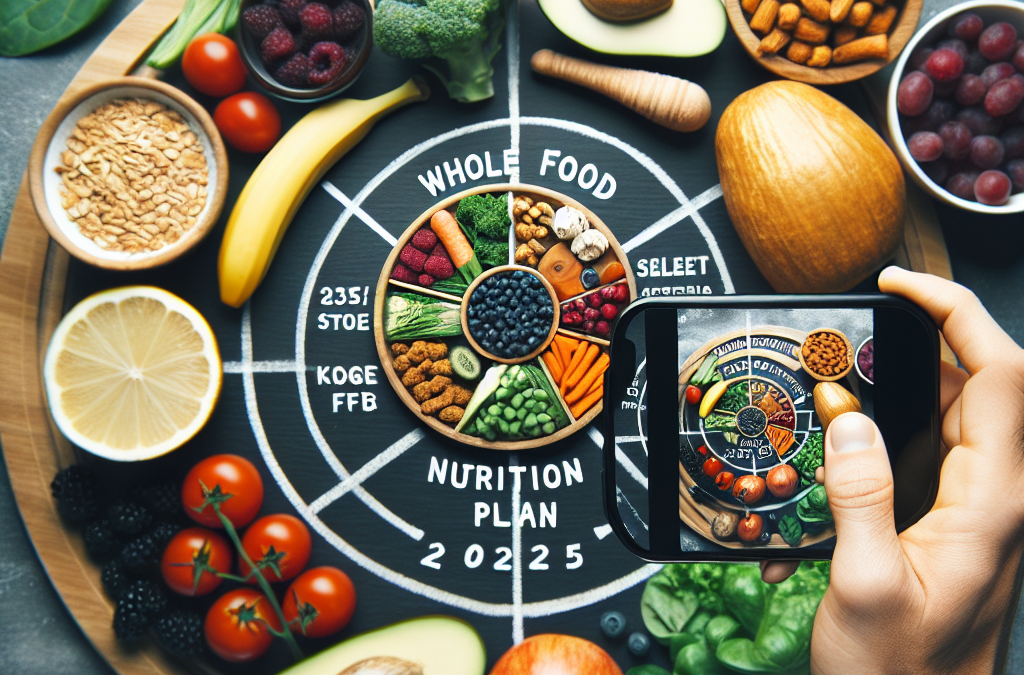
Whole foods can significantly aid hormone balance by providing essential nutrients that support endocrine function. These foods, rich in vitamins, minerals, and healthy fats, help regulate hormones such as insulin, estrogen, and cortisol.
Understanding how specific nutrients influence hormone production is crucial. For example, omega-3 fatty acids found in fatty fish can help lower inflammation and improve insulin sensitivity, while fiber-rich foods like legumes can stabilize blood sugar levels. Neglecting these dietary components can lead to hormonal imbalances, which may manifest as fatigue, mood swings, or weight gain.
Many individuals overlook the impact of processed foods on hormone regulation. High-sugar and high-fat processed foods can lead to insulin resistance and disrupt hormonal balance. Prioritizing whole foods not only provides necessary nutrients but also reduces exposure to harmful additives, making it imperative for those seeking to manage their hormone levels effectively.
Nutrients Essential for Hormonal Balance
Key nutrients play a vital role in maintaining hormonal balance. Vitamins such as B6, magnesium, and zinc are essential for hormone synthesis and regulation. For instance, B vitamins are crucial for energy production and can alleviate symptoms of PMS. Magnesium helps with the synthesis of sex hormones and supports adrenal function.
When focusing on these nutrients, it is important to incorporate foods like leafy greens, nuts, seeds, and whole grains. A common mistake is relying solely on supplements, which may not provide the same synergistic benefits as whole foods. Moreover, whole foods often contain additional phytonutrients that enhance nutrient absorption and utilization.
Readers should prioritize whole food sources over processed alternatives to avoid nutrient depletion. For example, opting for whole grains instead of refined grains not only provides more fiber but also retains essential nutrients necessary for hormone balance.
Impact of Sugar and Processed Foods
The consumption of sugar and processed foods has a significant negative impact on hormonal health. High sugar intake can lead to insulin spikes, which over time may result in insulin resistance—a condition linked to various hormonal disorders.
Furthermore, processed foods often contain unhealthy fats and additives that can disrupt hormone function. Readers should be aware of the trade-offs when consuming these foods, as they may provide short-term satisfaction but lead to long-term health issues, including hormonal imbalances and metabolic syndrome.
To mitigate these effects, individuals should focus on reducing sugar intake and replacing processed foods with whole food alternatives. This shift can help stabilize blood sugar levels, improve energy, and support overall hormonal health.
Whole Foods and Stress Management
Stress has a profound effect on hormone levels, particularly cortisol, which is often referred to as the stress hormone. Whole foods can aid in stress management by providing nutrients that promote relaxation and reduce cortisol levels.
Foods rich in antioxidants, such as berries, and those high in omega-3 fatty acids, such as walnuts, can help combat oxidative stress and inflammation. Prioritizing these foods can improve resilience to stress and enhance overall hormonal balance.
Incorporating stress-reducing practices alongside a whole food diet can maximize benefits. For example, combining a nutrient-rich diet with mindfulness techniques can help regulate cortisol levels more effectively.
Huge Discount on the Best Certified Organic Whole Food Supplement!
Practical Tips for Incorporating Whole Foods
Transitioning to a whole food diet doesn’t have to be overwhelming. Start by gradually replacing processed snacks with whole food options, such as fruits, nuts, and yogurt. Meal planning can also help ensure that you have healthy options readily available.
Another effective strategy is to experiment with new recipes that highlight whole foods. This not only makes meals more enjoyable but also encourages a diverse intake of nutrients essential for hormone balance. Avoiding the common pitfall of monotony in meal choices can help maintain enthusiasm for healthy eating.
Additionally, consider joining a community or group focused on whole food eating for support and inspiration. Engaging with others can provide motivation and new ideas for incorporating whole foods into your diet.
Further Reading
Authoritative Sources
- Nutrition and Hormones: The Impact of Diet on Hormonal Health
ncbi.nlm.nih.govThis source provides an in-depth look at how different dietary components affect hormonal balance
- Foods That Balance Hormones
healthline.comAn informative article detailing specific foods that can aid in hormone regulation
- Eating Right for Hormonal Health
webmd.comWebMD discusses dietary strategies for managing hormone-related issues
Frequently Asked Questions
How do whole foods help in hormone balance?
Whole foods provide essential nutrients that support hormone production and regulation, helping to maintain a healthy endocrine system.
What are some examples of whole foods that promote hormone balance?
Examples include leafy greens, nuts, seeds, fatty fish, whole grains, and a variety of fruits and vegetables.
Can processed foods disrupt hormone balance?
Yes, processed foods high in sugar and unhealthy fats can lead to insulin resistance and disrupt overall hormone function.
How does stress affect hormonal health?
Stress can elevate cortisol levels, which may lead to imbalances in other hormones, affecting mood and metabolism.
What are practical steps to incorporate more whole foods into my diet?
Start by meal planning, replacing processed snacks with whole foods, and experimenting with new recipes that emphasize whole ingredients.
Conclusion
In summary, focusing on whole foods is a vital step in achieving hormonal balance. By prioritizing nutrient-dense foods, individuals can support their endocrine health and mitigate the risks associated with hormonal imbalances. It is essential to recognize the negative impact of processed foods and sugar, as well as to incorporate stress management techniques into daily routines. Ultimately, making informed dietary choices will empower individuals to take control of their hormonal health and well-being.
Huge Discount on the Best Certified Organic Whole Food Supplement!
Related Content
- The Complete Guide to Whole Food Benefits for Beginners: Essential Foods for Health and Vitality
- Whole Foods and Blood Sugar: The Natural Path to Stabilizing Your Levels
- Unlock Natural Weight Loss: Discover How Whole Foods Help With Weight Loss Naturally
- Revitalize Your Gut: Uncovering How Whole Foods Support Digestive Repair
- Why Whole Foods Are Better Than Processed Foods: Key Nutritional Advantages and Health Effects