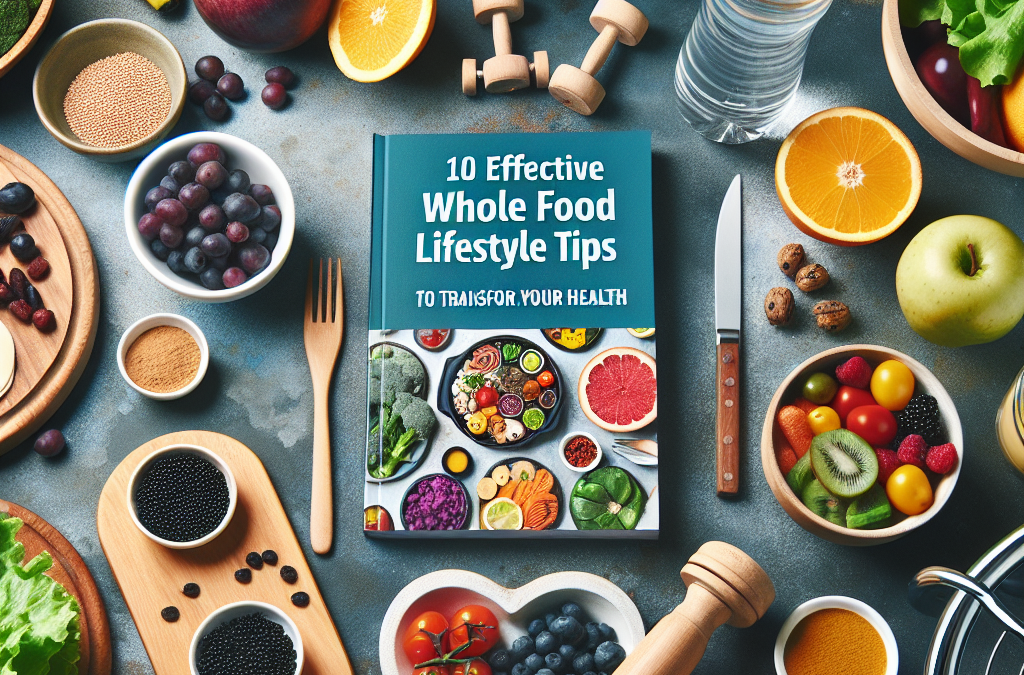
Whole foods improve body composition by providing nutrient-dense options that support fat loss and muscle gain. They are high in fiber, vitamins, and minerals, which help regulate metabolism, reduce cravings, and encourage healthier eating patterns.
Understanding how whole foods impact body composition involves recognizing their role in caloric intake and nutrient quality. Processed foods often lead to overconsumption due to their low satiety and high sugar content, while whole foods, such as fruits, vegetables, whole grains, and lean proteins, promote fullness and balanced nutrition. This balance is crucial for effective weight management and muscle preservation.
The Nutritional Benefits of Whole Foods
Whole foods are rich in essential nutrients that play a significant role in improving body composition. They provide vitamins, minerals, and antioxidants that are often lost in processed foods. For example, leafy greens are packed with nutrients while being low in calories, making them an excellent choice for anyone looking to manage their weight.
Moreover, whole foods are typically high in fiber, which aids in digestion and helps maintain satiety. many people struggle with overeating, often driven by hunger or cravings for processed snacks. By focusing on whole foods, individuals can create meals that are satisfying and nutrient-rich, effectively improving their body composition over time.
Whole Foods and Metabolism
The consumption of whole foods can positively influence metabolism, which is crucial for body composition. Whole foods often require more energy to digest compared to processed foods, a phenomenon known as the thermic effect of food (TEF). Foods like lean meats, nuts, and legumes can boost TEF, leading to increased calorie expenditure.
Additionally, whole foods help stabilize blood sugar levels, preventing spikes and crashes that can lead to overeating. Maintaining stable blood sugar is essential for managing cravings and ensuring consistent energy levels throughout the day. This stability aids in making healthier food choices, further supporting body composition goals.
Common Mistakes with Whole Foods
Despite the benefits of whole foods, there are common mistakes that can hinder progress towards improving body composition. One common pitfall is assuming that all whole foods are inherently low in calories. For instance, while avocados and nuts are nutritious, they are also calorie-dense, and portion control is essential.
Another mistake is neglecting meal preparation. Whole foods require more effort to prepare than processed options, which can lead to convenience-driven choices that undermine dietary goals. Planning meals ahead and incorporating a variety of whole foods can help avoid these common missteps.
Huge Discount on the Best Certified Organic Whole Food Supplement!
Practical Ways to Incorporate Whole Foods
Incorporating whole foods into your diet can be straightforward with a few practical strategies. Start by replacing processed snacks with whole food alternatives, such as fresh fruits, vegetables, or nuts. These options are not only healthier but also help maintain satisfaction between meals.
Additionally, consider meal prepping to ensure you have whole food options readily available. Preparing a batch of whole grain salads or roasted vegetables at the beginning of the week can save time and reduce the temptation to opt for quick, processed meals.
Further Reading
Authoritative Sources
- Ready.gov
ready.govOfficial U.S. preparedness guidance, checklists, and planning resources for households and emergencies.
- FEMA
fema.govFederal emergency management resources, disaster planning information, and recovery guidance.
- American Red Cross Emergency Preparedness
redcross.orgPractical emergency preparation steps, supply lists, and safety guidance for families.
- National Weather Service
weather.govOfficial forecasts, hazard alerts, and weather safety information.
- CDC Emergency Preparedness and Response
cdc.govPublic health guidance for emergencies, disasters, and recovery situations.
Frequently Asked Questions
What are whole foods?
Whole foods are natural foods that are minimally processed and free from artificial ingredients. Examples include fruits, vegetables, whole grains, nuts, and lean proteins.
How do whole foods help with weight loss?
Whole foods help with weight loss by providing nutrient-dense options that promote satiety and prevent overeating, while also supporting metabolism.
Can I lose weight by only eating whole foods?
While eating whole foods can support weight loss, overall caloric intake and balance are crucial. Portion control and a varied diet are still necessary.
Are all whole foods healthy?
Not all whole foods are low in calories or fat. It’s important to consider portion sizes, especially for calorie-dense foods like nuts and avocados.
What are some easy whole food meals?
Easy whole food meals include quinoa salads, vegetable stir-fries, and grilled chicken with steamed vegetables. These meals are simple to prepare and nutritious.
Conclusion
Incorporating whole foods into your diet is a powerful strategy for improving body composition. Not only do they provide essential nutrients, but they also promote satiety and support a healthy metabolism. To achieve the best results, focus on meal planning, variety, and portion control. By making conscious choices about the foods you consume, you can effectively enhance your body composition and overall health.
Huge Discount on the Best Certified Organic Whole Food Supplement!
Related Content
- Transform Your Diet: How Whole Foods Help Reduce Processed Sugar Intake Effectively
- Maximizing Efficiency: Discover The Whole Food Diet Benefits for Busy Professionals
- Revitalize Your Microbiome: The Surprising Impact of Whole Foods on Gut Balance
- Healthy Diet with Whole Foods: 7 Expert Tips for 2025 Success
- Are These Prebiotic Foods the Secret to Lasting Energy?