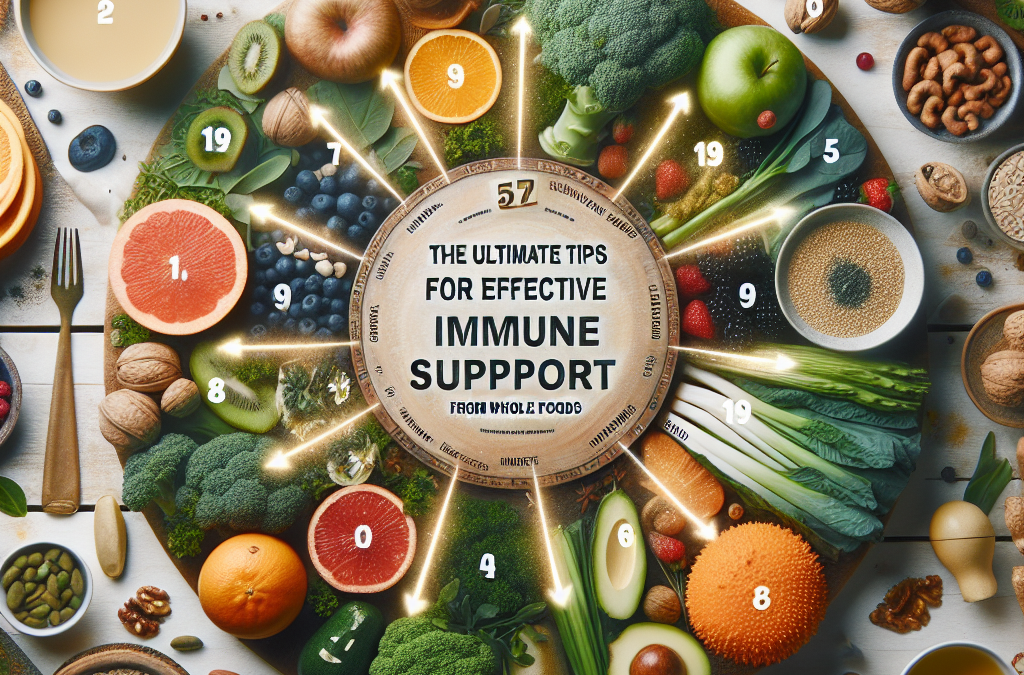
Whole foods improve body composition by providing nutrient-dense options that support muscle growth, fat loss, and overall metabolic health. They are less processed, contain essential vitamins and minerals, and promote satiety, which can help individuals maintain a healthy weight and improve body composition over time.
Incorporating whole foods into your diet is crucial as they are naturally rich in fiber, protein, and healthy fats, which can enhance metabolic processes and reduce cravings for unhealthy foods. Unlike processed foods, whole foods maintain their natural nutrients, which are often stripped away during manufacturing. This nutrient density is vital for those aiming to improve their body composition.
A common mistake when transitioning to whole foods is overlooking portion control and balance. While whole foods are healthier, consuming them in excess can still lead to weight gain. Prioritizing a variety of whole foods, such as fruits, vegetables, whole grains, and lean proteins, can help ensure that you are not only improving body composition but also enhancing overall health.

Understanding Whole Foods and Body Composition
Whole foods are minimally processed foods that retain their natural nutrients. They include items such as fruits, vegetables, nuts, seeds, whole grains, and lean proteins. The consumption of whole foods is associated with improved body composition due to their low caloric density and high nutrient content, which promotes better health outcomes.
When focusing on body composition, it’s essential to understand that the quality of food matters as much as quantity. Whole foods provide essential nutrients that help the body function optimally, support metabolic processes, and reduce the risk of chronic diseases. This quality can make a significant difference in achieving and maintaining a healthy body composition.
Many people underestimate the impact of whole foods on their body composition. Transitioning from processed foods to whole foods can lead to better satiety and reduced cravings, making it easier to manage caloric intake. Additionally, the fiber content in whole foods aids digestion and helps regulate blood sugar levels.
Key Nutrients in Whole Foods
Whole foods are rich in various nutrients that play a critical role in improving body composition. Key nutrients include fiber, protein, healthy fats, vitamins, and minerals. Fiber aids in digestion and promotes a feeling of fullness, while protein is crucial for muscle repair and growth.
Healthy fats, such as those found in avocados and nuts, are essential for hormone regulation and can help in weight management. Vitamins and minerals from whole foods support numerous bodily functions, including metabolism and energy production. Ensuring a diet rich in these nutrients can significantly enhance body composition over time.
A common pitfall is focusing solely on macronutrients without considering micronutrients. Whole foods provide a balance of both, which is necessary for optimal health. Prioritizing a variety of whole foods can ensure that you are not missing out on essential nutrients that can aid in your body composition goals.
Practical Whole Foods to Include
Incorporating a variety of whole foods into your diet can significantly improve body composition. Some excellent options include leafy greens, berries, oats, legumes, lean meats, and fatty fish. These foods offer a robust profile of nutrients while being low in calories.
For example, leafy greens are high in fiber and low in calories, making them an excellent choice for volume eating. Berries are packed with antioxidants and can satisfy sweet cravings without added sugars. Lean meats and fatty fish provide high-quality protein and healthy fats that are essential for muscle growth and overall health.
Huge Discount on the Best Certified Organic Whole Food Supplement!
When selecting whole foods, aim for seasonal and local options whenever possible. They tend to be fresher and more nutrient-dense. Additionally, planning meals around these foods can help you stay on track with your body composition goals.
Common Mistakes to Avoid
Transitioning to a whole foods diet can be challenging, and several common mistakes may hinder progress. One such mistake is not adequately preparing meals in advance, which can lead to impulsive eating of processed foods. Meal prep can help maintain control over what you eat and ensure you have healthy options available.
Another mistake is neglecting hydration. Sometimes, feelings of hunger can actually be signs of dehydration. Drinking enough water is crucial for metabolic processes and can help manage appetite and cravings. Additionally, not tracking your food intake can lead to unintentional overeating, even with whole foods.
To avoid these pitfalls, set specific meal preparation days and keep a hydration schedule. Additionally, consider using food journals or apps to track your intake and ensure you are meeting your nutritional goals.
Further Reading
Authoritative Sources
- What Are Whole Foods?
eatright.orgThis source provides an overview of whole foods and their benefits, making it a useful resource for understanding their role in a healthy diet
Frequently Asked Questions
What are whole foods?
Whole foods are minimally processed foods that retain their natural nutrients, such as fruits, vegetables, whole grains, nuts, and lean proteins.
How do whole foods improve body composition?
Whole foods provide essential nutrients, promote satiety, and support metabolic health, which can lead to improved body composition.
Can I lose weight by eating whole foods?
Yes, incorporating whole foods into your diet can help manage caloric intake and promote weight loss due to their nutrient density and low caloric content.
What are some examples of whole foods?
Examples include leafy greens, berries, nuts, seeds, whole grains, lean meats, and fatty fish.
How can I incorporate more whole foods into my diet?
Meal prepping, choosing seasonal produce, and planning meals around whole foods can help increase their presence in your diet.
Huge Discount on the Best Certified Organic Whole Food Supplement!
Related Content
- Elevate Your Meals: How Whole Foods Improve Nutrient Density in Your Diet
- How to Build a Whole Foods Pantry: Essentials for Every Home
- How Whole Foods Support Immune System Strength: Essential Nutrients for Optimal Defense
- The Real Impact of Whole Foods on Metabolic Health: Key Benefits and Practical Choices
- Enhancing Digestion in Your 50s: The Role of Whole Foods in Your Diet