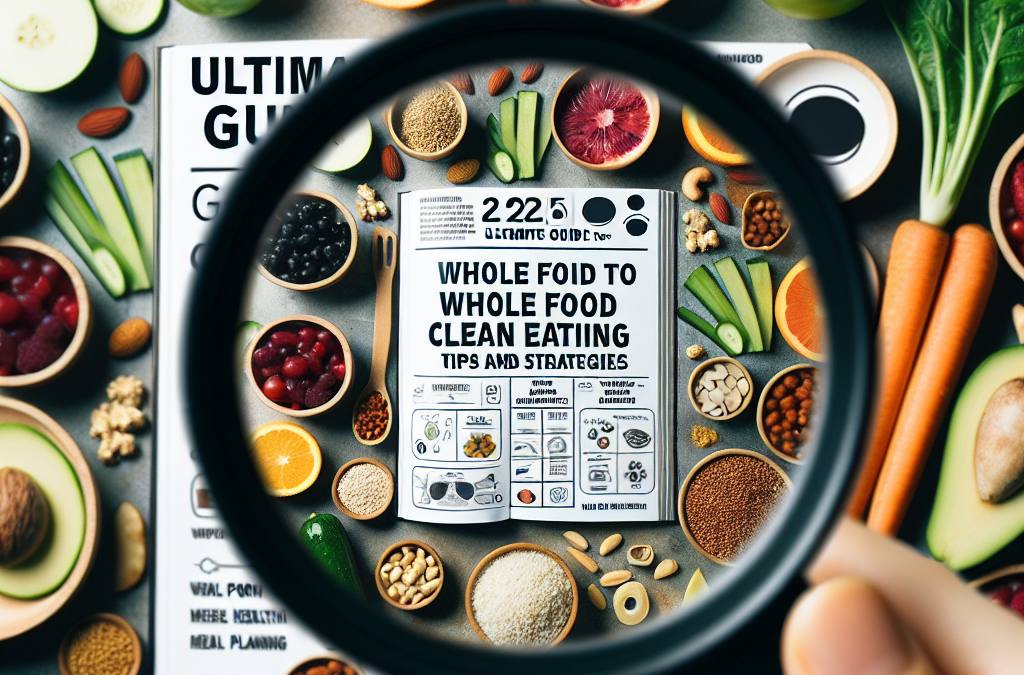
Whole foods improve insulin sensitivity primarily due to their nutrient density and lower glycemic index compared to processed foods. These foods provide essential vitamins, minerals, and antioxidants that help regulate blood sugar levels, reduce inflammation, and enhance metabolic function, leading to better insulin response.
Incorporating whole foods into your diet can significantly affect your overall health, particularly for individuals with insulin resistance or diabetes. Unlike processed foods, which often contain refined sugars and unhealthy fats, whole foods are rich in fiber, healthy fats, and complex carbohydrates. This nutritional profile aids in stabilizing blood sugar levels, thus improving insulin sensitivity.
Moreover, whole foods are less likely to cause spikes in blood sugar levels. Foods like vegetables, fruits, whole grains, nuts, and legumes not only provide sustained energy but also promote a feeling of fullness, which can prevent overeating and contribute to better weight management—an important factor in maintaining insulin sensitivity.

Understanding Insulin Sensitivity
Insulin sensitivity refers to how effectively the body’s cells respond to insulin, a hormone that regulates blood sugar levels. Higher insulin sensitivity means that the body can utilize insulin more efficiently, leading to better blood sugar control. Conversely, low insulin sensitivity, or insulin resistance, can result in elevated blood sugar levels and increased risk of type 2 diabetes.
To improve insulin sensitivity, one must focus on dietary choices and lifestyle changes. Whole foods play a crucial role in this process, as they are packed with nutrients that support metabolic health. In contrast, diets high in processed foods can lead to inflammation and poor metabolic responses.
Nutrient Density and Its Impact
Nutrient density refers to the amount of essential nutrients a food contains relative to its calorie content. Whole foods, such as fruits, vegetables, whole grains, and legumes, are typically high in vitamins, minerals, and fiber while being relatively low in calories. This nutrient density is vital for improving insulin sensitivity.
For instance, leafy greens and berries are excellent choices for enhancing insulin sensitivity. They are rich in antioxidants and fiber, which can help reduce oxidative stress and inflammation—two factors that negatively impact insulin function. Prioritizing these foods can lead to better overall health and improved metabolic function.
The Role of Glycemic Index
The glycemic index (GI) measures how quickly a food raises blood sugar levels. Foods with a low GI are digested more slowly, leading to gradual increases in blood sugar and insulin levels. Whole foods generally have a lower GI compared to processed foods, making them better choices for maintaining stable blood sugar levels.
For example, whole grains like quinoa and brown rice have lower GI values than white bread or sugary cereals. Choosing low-GI foods helps manage insulin levels more effectively, ultimately improving insulin sensitivity over time. Incorporating a variety of low-GI whole foods into your meals can lead to better blood sugar control.
Practical Tips for Incorporating Whole Foods
Incorporating whole foods into your diet doesn’t have to be overwhelming. Start by gradually replacing processed snacks with whole food alternatives such as nuts, fruits, and yogurt. Additionally, aim to fill half your plate with vegetables at each meal. This simple change can significantly enhance your nutrient intake and improve insulin sensitivity.
Huge Discount on the Best Certified Organic Whole Food Supplement!
Meal prepping can also be a helpful strategy. Preparing meals in advance using whole food ingredients can minimize the temptation to reach for processed options when you’re short on time. Focus on creating balanced meals that include a mix of protein, healthy fats, and fiber-rich carbohydrates.
Further Reading
Authoritative Sources
- National Heart, Lung, and Blood Institute
nhlbi.nih.govThis resource provides comprehensive information on diabetes management and the importance of diet in maintaining healthy blood sugar levels
- Healthline
healthline.comHealthline offers insights into insulin resistance, including dietary recommendations and lifestyle changes that can improve insulin sensitivity
Frequently Asked Questions
What types of whole foods are best for improving insulin sensitivity?
Foods high in fiber, healthy fats, and low glycemic index, such as vegetables, fruits, legumes, nuts, and whole grains, are most effective.
How quickly can whole foods improve insulin sensitivity?
Improvements can be seen within a few weeks of consistently consuming a diet rich in whole foods, depending on individual health factors.
Can whole foods alone reverse insulin resistance?
While whole foods play a crucial role, they should be part of a comprehensive approach that includes regular exercise and lifestyle changes.
Are there any whole foods to avoid for insulin sensitivity?
Avoid high-sugar and highly processed foods, which can negatively impact insulin sensitivity and overall health.
How can I start incorporating more whole foods into my diet?
Begin by gradually replacing processed snacks with whole foods, planning meals with a focus on vegetables, fruits, and whole grains.
Conclusion
Improving insulin sensitivity through whole foods is a practical and effective strategy for better metabolic health. By focusing on nutrient-dense, low-glycemic foods, you can stabilize blood sugar levels, reduce inflammation, and enhance your overall well-being. Start making small changes in your diet today, such as incorporating more fruits, vegetables, and whole grains, to experience the benefits of improved insulin sensitivity.
Huge Discount on the Best Certified Organic Whole Food Supplement!
Related Content
- The Best Whole Foods for Fat Loss Support: Nutrient-Dense Options to Enhance Your Weight Loss Journey
- Why Whole Foods Help Reduce Food Addictions: Practical Foods and Their Role in Recovery
- The Role of Whole Foods in Preventing Alzheimer’s Disease
- Unlock Your Heart’s Potential: How Whole Foods Support Healthy Cholesterol Levels Naturally
- How Whole Foods Reduce Sugar Cravings: Nutrient-Rich Choices for Lasting Satisfaction