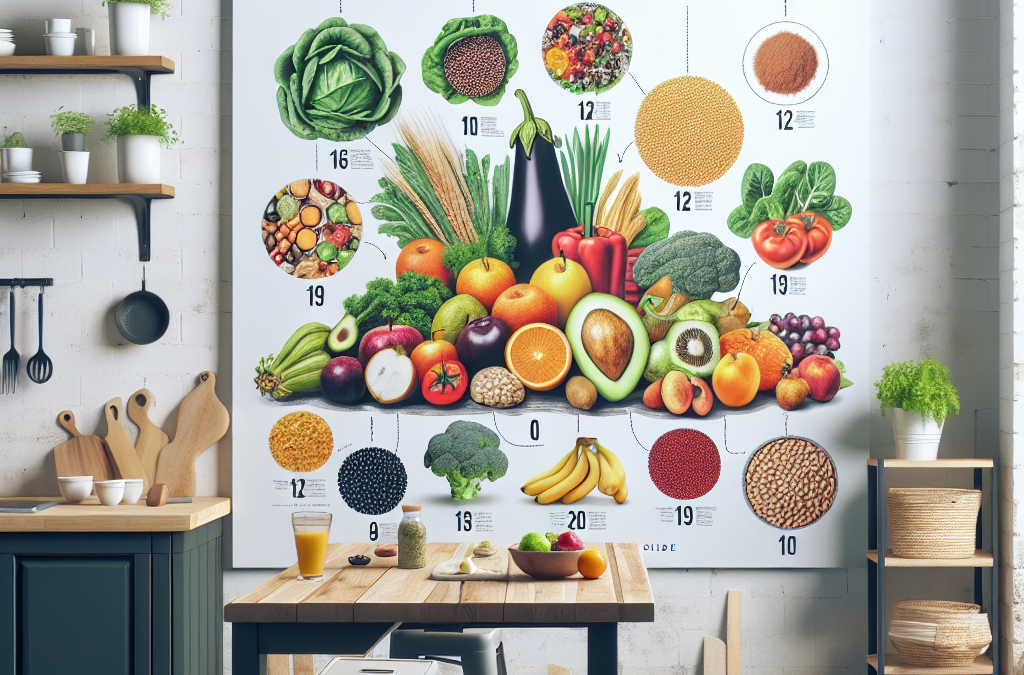
Whole foods make you feel full longer primarily due to their high nutrient density and fiber content. Foods such as fruits, vegetables, whole grains, and legumes are rich in complex carbohydrates, vitamins, and minerals, which promote satiety and help regulate hunger hormones.
The practical implications of consuming whole foods are significant. When you choose nutrient-dense options over processed foods, you not only improve your overall health but also manage your hunger more effectively. Processed foods, often high in sugars and unhealthy fats, can lead to rapid spikes and drops in blood sugar levels, triggering hunger sooner. In contrast, whole foods provide a more stable energy release, allowing you to feel satisfied for longer periods.
Many people mistakenly believe that all calories are equal, but the source of those calories profoundly affects satiety. For instance, a meal high in fiber and protein will keep you full longer than a meal consisting of refined carbohydrates. Understanding this can help you make better food choices that align with your health goals and appetite regulation.
The Science Behind Satiety
The sensation of fullness, or satiety, is influenced by various physiological factors, including hormonal responses and the physical properties of food. Whole foods, particularly those high in fiber, stimulate the release of hormones like peptide YY and glucagon-like peptide-1, which signal the brain to reduce hunger. This hormonal response is a crucial mechanism that helps regulate energy intake.
Moreover, fiber-rich foods take longer to chew and digest, contributing to a prolonged feeling of fullness. The bulk created by fiber in the stomach also stretches the stomach walls, sending signals to the brain that indicate fullness. This effect is often absent in processed foods, which can lead to overeating.
Understanding these mechanisms is vital for anyone looking to manage their weight effectively. Instead of focusing solely on calorie intake, consider the quality of the calories consumed. Whole foods provide not only energy but also the nutrients necessary for optimal bodily function, which processed foods often lack.
Whole Foods vs. Processed Foods
When comparing whole foods to processed foods, the differences in satiety and nutritional value are stark. Whole foods are minimally processed and retain most of their natural nutrients, while processed foods often lose essential vitamins and minerals during manufacturing. This nutrient loss can lead to a lower satiety index, meaning you may need to consume more calories to feel full.
For example, a whole apple provides fiber, vitamins, and water, which contribute to fullness. In contrast, apple juice lacks fiber and is high in sugars, leading to a rapid increase in blood sugar followed by a crash, which can trigger hunger again soon after consumption. Opting for whole foods helps ensure that you not only feel full longer but also receive the necessary nutrients for your body.
People often underestimate the impact of food processing on satiety. Choosing whole foods over their processed counterparts can significantly affect your appetite control and overall health. Prioritizing whole foods is a practical approach to not only managing hunger but also enhancing nutrient intake.
Practical Strategies for Incorporating Whole Foods
To enhance your diet with whole foods, start by gradually replacing processed options with whole alternatives. Incorporate more fruits and vegetables into your meals, such as adding spinach to smoothies or snacking on raw carrots. Whole grains like quinoa, brown rice, and oats can replace white rice and bread, providing more fiber and nutrients.
Meal planning can also be an effective strategy. By preparing meals in advance using whole food ingredients, you can avoid the temptation of reaching for processed snacks. Focus on creating balanced meals that include a variety of food groups to ensure you’re getting a wide range of nutrients.
Many people find it challenging to shift to a whole-foods diet. It’s essential to take small, manageable steps rather than a complete overhaul. Gradually introducing whole foods into your diet can lead to sustainable changes that improve both satiety and overall health.
Huge Discount on the Best Certified Organic Whole Food Supplement!
Common Mistakes to Avoid
One common mistake when switching to whole foods is assuming that all whole food products are healthy. For instance, whole grain products can still be high in sugars and additives, so it’s crucial to read labels carefully. Additionally, some individuals may focus too much on calorie counting rather than the quality of their food choices.
Another pitfall is not incorporating enough variety into your meals. Eating a narrow range of whole foods can lead to nutrient deficiencies. Aim for a colorful plate to ensure you’re getting a broad spectrum of vitamins and minerals essential for satiety and health.
Prioritizing variety and quality over quantity can help you avoid these common mistakes. Focusing on the nutritional value of foods rather than just calories can lead to better health outcomes and improved satiety.
Further Reading
Authoritative Sources
- Nutritional Factors Influencing Satiety
ncbi.nlm.nih.govThis resource provides insights into how different foods affect satiety and hunger hormones
- The Satiety Index of Foods
health.harvard.eduHarvard Health discusses the satiety index and how it can guide food choices for better fullness
Frequently Asked Questions
Do whole foods really keep you full longer than processed foods?
Yes, whole foods are generally more filling due to their higher fiber and nutrient content, which promote satiety and stabilize blood sugar levels.
What types of whole foods should I include in my diet?
Incorporate a variety of fruits, vegetables, whole grains, nuts, and legumes to ensure a balanced intake of nutrients and fiber.
How can I transition to a whole foods diet?
Start by gradually replacing processed foods with whole alternatives, meal planning, and incorporating more fruits and vegetables into your meals.
Are there any downsides to eating whole foods?
While whole foods are generally healthy, some products may still contain added sugars or unhealthy fats. It’s essential to read labels and choose wisely.
Can whole foods help with weight loss?
Yes, by promoting satiety and reducing overall calorie intake, whole foods can support weight loss efforts when incorporated into a balanced diet.
Conclusion
In conclusion, whole foods offer a powerful solution for those looking to feel full longer and manage their weight effectively. By understanding the science behind satiety and making conscious food choices, you can enhance your overall health and well-being. Prioritizing nutrient-dense options over processed foods is not only beneficial for appetite control but also for providing your body with essential nutrients. Start small, be mindful of your food choices, and enjoy the lasting benefits of a whole foods diet.
Huge Discount on the Best Certified Organic Whole Food Supplement!
Related Content
- Unlocking the Benefits: Why Whole Foods Improve Long-Term Wellness and Vitality
- Conquer Sugar Cravings: The Whole Foods Approach to Lasting Satisfaction
- Unlocking Rapid Gut Health: How Whole Foods Support Gut Health Fast
- Why Whole Foods Help Reduce Food Addictions: Practical Foods and Their Role in Recovery
- Unlocking Satiety: Why Whole Foods Make You Feel Full Longer