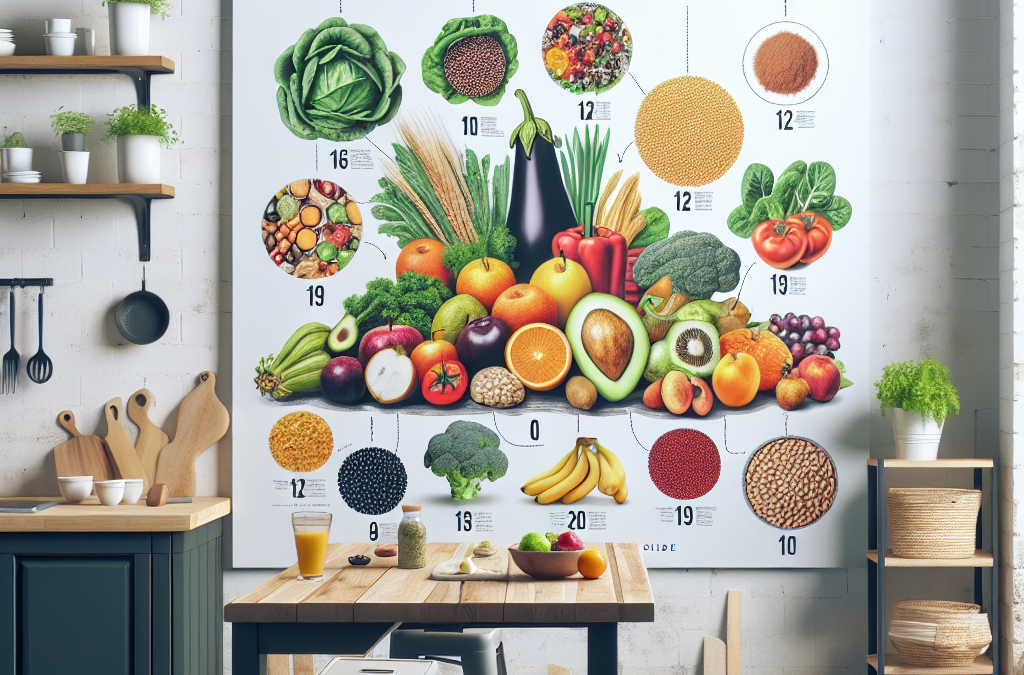
Whole foods reduce processed food cravings by providing essential nutrients and fiber that promote satiety, stabilize blood sugar levels, and foster a balanced diet. This combination minimizes the desire for high-calorie, low-nutrient processed foods, helping individuals maintain healthier eating habits.
Understanding the mechanisms behind cravings is essential for anyone looking to improve their diet. Processed foods often lead to quick spikes in blood sugar and insulin levels, resulting in subsequent crashes that trigger cravings for more sugar and unhealthy snacks. Whole foods, in contrast, release energy more steadily due to their fiber content, which helps keep blood sugar levels stable and reduces the likelihood of cravings.
The Role of Fiber in Reducing Cravings
Fiber plays a significant role in reducing cravings by promoting fullness and slowing digestion. Foods high in fiber include legumes, whole grains, fruits, and vegetables. These foods not only fill you up but also help regulate your digestive system.

Incorporating fiber-rich foods into your meals can prevent hunger pangs that often lead to cravings for processed snacks. For example, starting your day with oatmeal topped with fresh fruit can provide lasting energy and satisfaction, keeping cravings at bay until your next meal.
Nutritional Balance and its Impact on Satiety
A well-balanced diet is crucial in managing cravings. Whole foods contain a variety of nutrients that support overall health and satiety, including proteins, healthy fats, vitamins, and minerals. This nutritional diversity is often lacking in processed foods, which tend to be high in sugars and unhealthy fats.
When planning meals, aim for a balance of macronutrients: include lean proteins, healthy fats, and a variety of colorful vegetables. This approach will not only enhance the nutritional value of your meals but also keep you feeling full and satisfied longer, thereby reducing cravings for processed foods.
Psychological Factors in Food Choices
Cravings are not solely driven by hunger; psychological factors also play a significant role. Emotional eating, stress, and environmental cues can trigger cravings for processed foods. Understanding these triggers can help you make more conscious food choices.
To combat emotional eating, consider keeping a food journal to identify patterns and triggers. This awareness can empower you to choose whole foods instead of reaching for processed snacks during stressful times.
Huge Discount on the Best Certified Organic Whole Food Supplement!
Practical Steps to Incorporate Whole Foods
Incorporating whole foods into your diet doesn’t have to be overwhelming. Start by gradually replacing processed snacks with whole food alternatives. For example, swap chips for air-popped popcorn or fresh vegetables with hummus.
Additionally, meal prepping can make it easier to choose whole foods throughout the week. Prepare snacks like cut-up fruits and vegetables or overnight oats that are ready to grab when cravings hit.
Further Reading
Authoritative Sources
- Ready.gov
ready.govOfficial U.S. preparedness guidance, checklists, and planning resources for households and emergencies.
- FEMA
fema.govFederal emergency management resources, disaster planning information, and recovery guidance.
- American Red Cross Emergency Preparedness
redcross.orgPractical emergency preparation steps, supply lists, and safety guidance for families.
- National Weather Service
weather.govOfficial forecasts, hazard alerts, and weather safety information.
- CDC Emergency Preparedness and Response
cdc.govPublic health guidance for emergencies, disasters, and recovery situations.
Frequently Asked Questions
How do whole foods affect my cravings?
Whole foods help manage cravings by providing essential nutrients and fiber, promoting satiety and stable energy levels.
What types of whole foods should I focus on?
Focus on fruits, vegetables, whole grains, nuts, and seeds for a balanced diet that supports health and reduces cravings.
Can emotional eating be managed with whole foods?
Yes, becoming aware of emotional triggers and choosing whole foods can help mitigate the urge to snack on processed items.
How can I start incorporating more whole foods into my diet?
Begin by gradually replacing processed snacks with whole food alternatives and meal prepping to reduce temptation.
Are there specific whole foods that are particularly effective?
Foods high in fiber, such as legumes and whole grains, are particularly effective in promoting satiety and reducing cravings.
Huge Discount on the Best Certified Organic Whole Food Supplement!
Related Content
- Discover the Secrets: How Whole Foods Support Healthy Weight Loss
- Harnessing the Power of Whole Foods: Discover Why Whole Foods Improve Focus and Productivity
- Enhancing Digestion in Your 50s: The Role of Whole Foods in Your Diet
- Discover the Ultimate Whole Foods That Supercharge Detox Support Naturally
- The Essential Guide to How Whole Foods Support Sustainable Weight Loss