
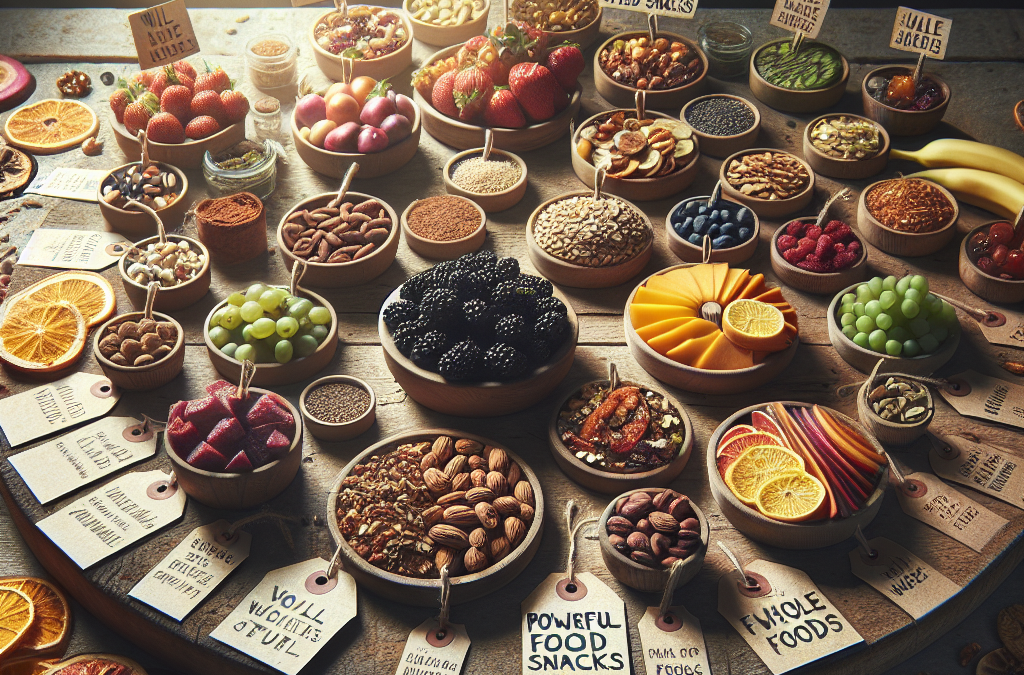
Understanding the balance of macronutrients is crucial. Whole foods often contain a mix of carbohydrates, proteins, and fats, which together contribute to your overall caloric intake. For instance, incorporating foods like quinoa or brown rice can provide complex carbohydrates, while adding nuts or olive oil can boost healthy fat content. This balance not only supports energy levels but also aids in proper bodily functions.
Caloric Density of Whole Foods
Caloric density refers to the number of calories in a specific volume of food. Whole foods like nuts and seeds are excellent examples of high-calorie density options that can help you reach your daily caloric goals without needing to consume large quantities. For instance, just a handful of almonds can provide significant calories and healthy fats.
When selecting whole foods, prioritize those with higher caloric density, such as avocados, which also offer fiber and essential vitamins. This approach can be particularly beneficial for individuals with higher energy needs, such as athletes or those looking to gain weight.
Meal Planning for Adequate Caloric Intake
Effective meal planning is essential for ensuring you consume enough calories from whole foods. Start by incorporating a variety of nutrient-dense foods into your meals, ensuring each meal contains a good balance of carbohydrates, proteins, and fats.
Consider preparing meals that include quinoa or brown rice as a base, topped with roasted vegetables and a source of protein like chickpeas or grilled chicken. Adding healthy fats, such as olive oil or avocado, can significantly increase the caloric content of your meals without requiring large portion sizes.
Common Mistakes to Avoid
One common mistake is relying too heavily on low-calorie fruits and vegetables while neglecting higher-calorie options. While fruits and vegetables are essential for health, focusing solely on them can lead to insufficient caloric intake. Instead, aim for a balanced approach that includes a variety of foods.
Another pitfall is underestimating portion sizes. Many individuals may think they are eating enough calories when, in reality, they are not. Keeping track of what you eat can help ensure you meet your caloric needs.
Huge Discount on the Best Certified Organic Whole Food Supplement!
Monitoring Your Intake
Monitoring your caloric intake can be a useful tool for ensuring you are getting enough calories from whole foods. Use a food diary or an app to track your meals and snacks, noting the caloric content and nutritional value.
Regularly reviewing your intake can help identify areas where you may need to increase calories, such as incorporating more healthy fats or protein sources. This practice can also help you make informed choices about your dietary habits.
Frequently Asked Questions
What are the best whole foods for gaining calories?
Nuts, seeds, avocados, whole grains, and legumes are among the best whole foods for gaining calories due to their high caloric density and nutrient content.
How can I increase my calorie intake without feeling overly full?
Incorporate calorie-dense foods like nut butters, oils, and avocados into meals, and focus on smaller, more frequent meals throughout the day.
Is it possible to get enough calories from a vegetarian diet?
Yes, a vegetarian diet can provide enough calories through careful selection of whole foods such as legumes, nuts, seeds, and whole grains.
What should I avoid when trying to increase calorie intake?
Avoid relying too heavily on low-calorie foods and underestimating portion sizes, as these can lead to insufficient caloric intake.
How often should I monitor my caloric intake?
Regularly monitoring your caloric intake, such as weekly or bi-weekly, can help identify trends and ensure you’re meeting your energy needs.
Further Reading
Authoritative Sources
- Whole Grains Council Grain Resources
wholegrainscouncil.orgPractical grain education covering whole grains, oats, milling context, and food-use guidance.
- USDA FoodData Central Grain Nutrition Data
fdc.nal.usda.govUSDA food composition data useful for oats, flour, meal, and grain-based nutrition references.
- USDA Agricultural Research Service
ars.usda.govAgricultural research resources related to grains, crops, processing, and food quality.
Conclusion
To effectively get enough calories from whole foods daily, prioritize nutrient-dense options and focus on a balanced intake of macronutrients. Meal planning and monitoring your intake can help ensure you achieve your caloric goals without compromising nutritional quality. By making informed choices and avoiding common pitfalls, you can successfully meet your energy needs and support overall health.
Huge Discount on the Best Certified Organic Whole Food Supplement!

