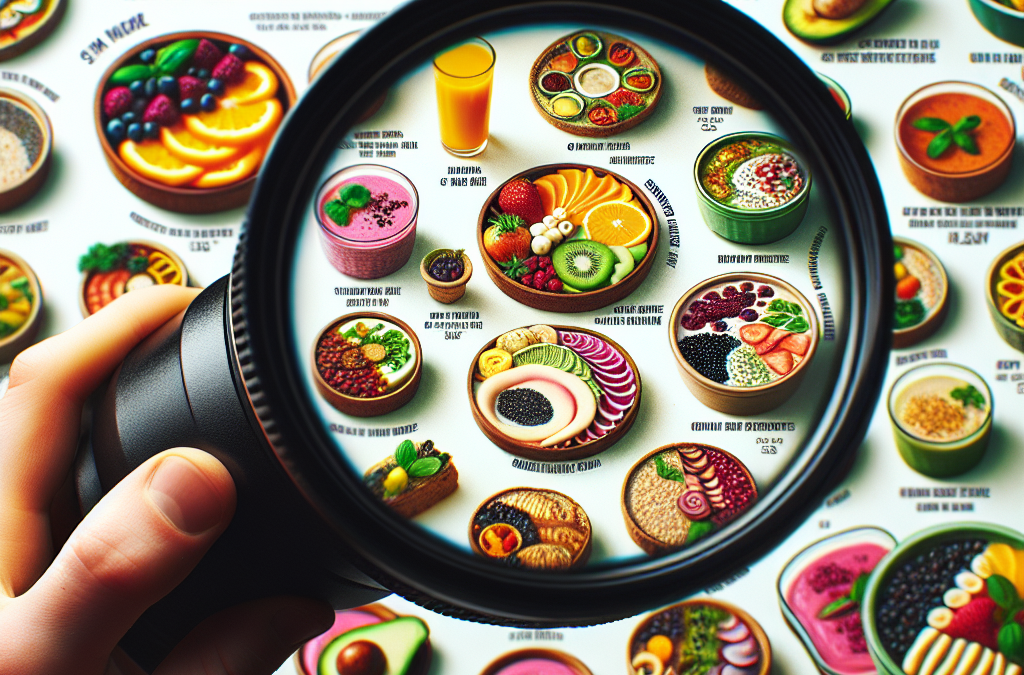
Understanding what causes these hunger spikes is crucial for maintaining energy levels and optimizing nutrient intake. Common issues include insufficient caloric consumption, imbalanced macronutrient ratios, and the timing of meals. For instance, if meals are spaced too far apart or lack sufficient protein and healthy fats, it can lead to feelings of hunger sooner than expected.
Nutritional Imbalances
Nutritional imbalances can significantly contribute to hunger spikes when following a whole food diet. A diet that lacks sufficient calories or essential nutrients can lead to increased hunger signals. For example, if a diet is low in protein or healthy fats, it may not provide the satiety needed to curb hunger effectively.
To mitigate this, it’s essential to ensure that meals include a balance of macronutrients. Incorporating sources of protein such as legumes, nuts, and seeds, along with healthy fats from avocados and olive oil, can help maintain stable energy levels and reduce hunger. Additionally, being mindful of portion sizes and overall caloric intake is crucial.
Meal Timing and Frequency
Meal timing and frequency play a significant role in regulating hunger. Eating too infrequently can lead to spikes in hunger as the body craves energy, while frequent snacking can prevent hunger from building up. Establishing a consistent eating schedule can help manage hunger levels effectively.
For many, three balanced meals per day, with the option of healthy snacks, may provide the right structure to avoid hunger spikes. Listening to one’s body and adjusting meal timing based on personal energy levels and activity can also be beneficial.
Food Composition and Satiety
The composition of foods consumed on a whole food diet can influence feelings of fullness. Foods rich in fiber, such as whole grains and vegetables, promote satiety and slow digestion, helping to keep hunger at bay. Conversely, processed foods, even those labeled as healthy, may not provide the same level of satisfaction.
To enhance satiety, aim to include a variety of whole foods in each meal. This can include combining fiber-rich foods with proteins and healthy fats. For instance, a salad with chickpeas, avocado, and a variety of vegetables can be a filling and nutritious option.
Huge Discount on the Best Certified Organic Whole Food Supplement!
Behavioral Factors Influencing Hunger
Behavioral factors can also affect hunger levels. Stress, emotional eating, and environmental cues can lead to increased hunger or cravings, even when the body does not physically need food. Recognizing these triggers is essential for managing hunger effectively.
Practicing mindful eating can help individuals tune into their body’s hunger cues and make more informed choices. This involves paying attention to what you eat, savoring flavors, and being aware of portions. By cultivating this awareness, it’s possible to reduce unnecessary hunger spikes.
Further Reading
Authoritative Sources
- Nutritional Factors Affecting Hunger and Satiety
ncbi.nlm.nih.govThis article provides insights into how different nutrients influence hunger and satiety signals
Frequently Asked Questions
What should I eat to prevent hunger spikes?
Focus on meals that include a balance of protein, healthy fats, and fiber-rich carbohydrates to enhance satiety and stabilize energy levels.
Is it normal to feel hungry on a whole food diet?
Feeling hungry can be common, especially if caloric intake is too low or meals are not well-balanced. Adjusting portion sizes and food choices can help.
How often should I eat on a whole food diet?
Establishing a routine of three balanced meals per day, with healthy snacks as needed, can help manage hunger effectively.
Can stress cause hunger spikes?
Yes, stress can lead to emotional eating or cravings, triggering hunger even when the body does not need food.
What role does fiber play in hunger management?
Fiber-rich foods promote satiety and slow digestion, helping to keep hunger at bay and maintain stable energy levels.
Huge Discount on the Best Certified Organic Whole Food Supplement!