
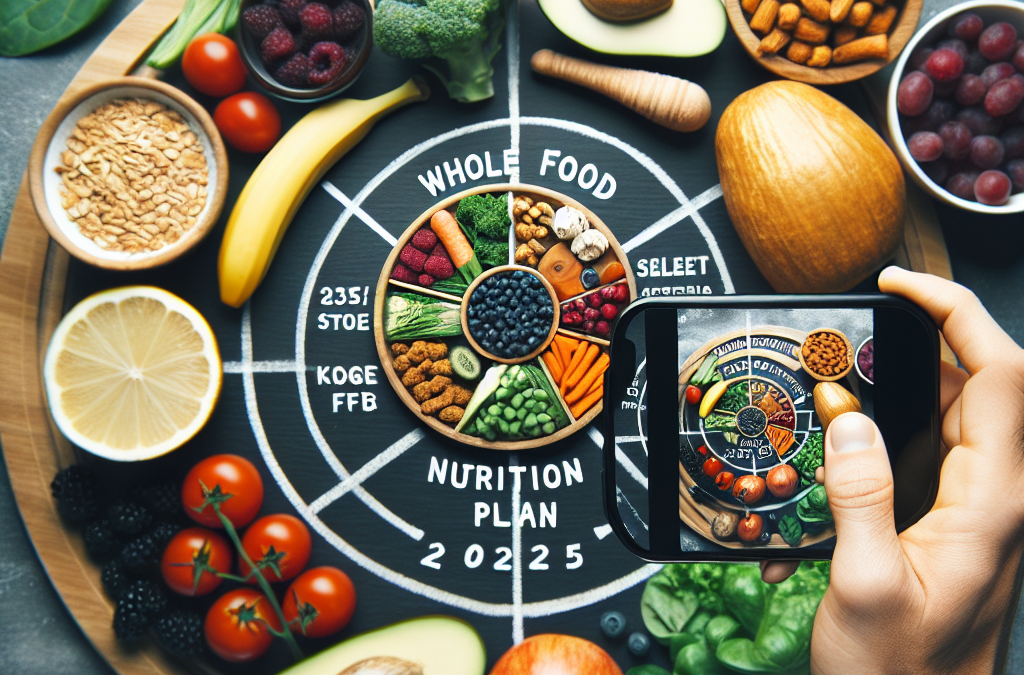
One common mistake is underestimating portion sizes, even with healthy foods. Many people assume that all whole foods are inherently low in calories, which can lead to overeating. To combat this, it’s essential to implement practical strategies that promote awareness of portion sizes and overall calorie consumption while still enjoying the benefits of a whole food diet.
Understanding Nutrient Density
Nutrient density refers to the amount of essential nutrients per calorie in a food. Foods that are high in nutrient density, such as leafy greens, berries, and legumes, provide essential vitamins and minerals while being lower in calories. This means they can help fill you up without leading to excessive calorie intake.
To maximize nutrient density in your diet, prioritize foods that are rich in fiber and protein, as these macronutrients help promote feelings of fullness. For example, incorporating beans into salads or enjoying a variety of vegetables can enhance satiety and reduce the likelihood of overeating. Additionally, understanding the concept of nutrient density helps in making better food choices that align with your health goals.
Portion Control Techniques
Effective portion control is crucial for avoiding overeating, even when consuming whole foods. One practical technique is to use smaller plates and bowls, which can create the illusion of a fuller plate while actually reducing the total amount of food consumed.
Another strategy involves measuring servings, especially for calorie-dense foods like nuts and seeds. Consider pre-portioning snacks into small containers to prevent mindless eating from larger packages. Additionally, being mindful of serving sizes when cooking can help maintain appropriate portion control at home.
Mindful Eating Practices
Mindful eating is the practice of being fully present during meals, which can significantly aid in avoiding overeating. This involves paying attention to hunger cues, savoring each bite, and recognizing feelings of fullness.
To implement mindful eating, try eating without distractions, such as screens or multitasking. Take the time to chew food thoroughly and appreciate the flavors and textures. This not only enhances the eating experience but also allows your body to signal when it’s satisfied, helping to prevent overeating.
Meal Planning for Success
Meal planning is an effective way to ensure that you stay on track with your whole food diet while avoiding overeating. By planning meals in advance, you can control portion sizes and ensure a balanced intake of macronutrients.
Huge Discount on the Best Certified Organic Whole Food Supplement!
Consider preparing meals that incorporate a variety of whole foods, ensuring each meal includes a source of protein, healthy fats, and plenty of vegetables. Batch cooking and pre-portioning meals can also help in managing servings and reducing the temptation to overeat when hunger strikes.
Frequently Asked Questions
What are the best foods for avoiding overeating?
High-fiber foods like vegetables, fruits, and whole grains are excellent for promoting satiety and preventing overeating.
How can portion control help in a whole food diet?
Portion control helps manage calorie intake, ensuring you enjoy your meals without consuming excessive amounts of food.
What is mindful eating?
Mindful eating involves being present during meals, paying attention to hunger cues, and savoring each bite to avoid overeating.
How can meal planning assist in avoiding overeating?
Meal planning allows you to prepare balanced meals in advance, helping control portion sizes and prevent impulsive eating.
Are there specific strategies for eating out on a whole food diet?
When dining out, opt for dishes with plenty of vegetables and protein, and be mindful of portion sizes by sharing meals or requesting smaller servings.
Further Reading
Authoritative Sources
- MedlinePlus
medlineplus.govConsumer-friendly medical and health information from the U.S. National Library of Medicine.
- National Institutes of Health
nih.govResearch-based health information and links to authoritative medical resources.
- Centers for Disease Control and Prevention
cdc.govOfficial public health guidance, prevention resources, and topic-specific recommendations.
- Mayo Clinic
mayoclinic.orgTrusted clinical guidance, symptom explainers, and treatment overviews.
Conclusion
To successfully avoid overeating on a whole food diet, focus on nutrient-dense foods and implement practical portion control strategies. Embrace mindful eating practices and plan your meals to maintain a balanced diet while satisfying your hunger. By prioritizing these approaches, you can enjoy the benefits of whole foods without compromising your health goals.
Huge Discount on the Best Certified Organic Whole Food Supplement!

