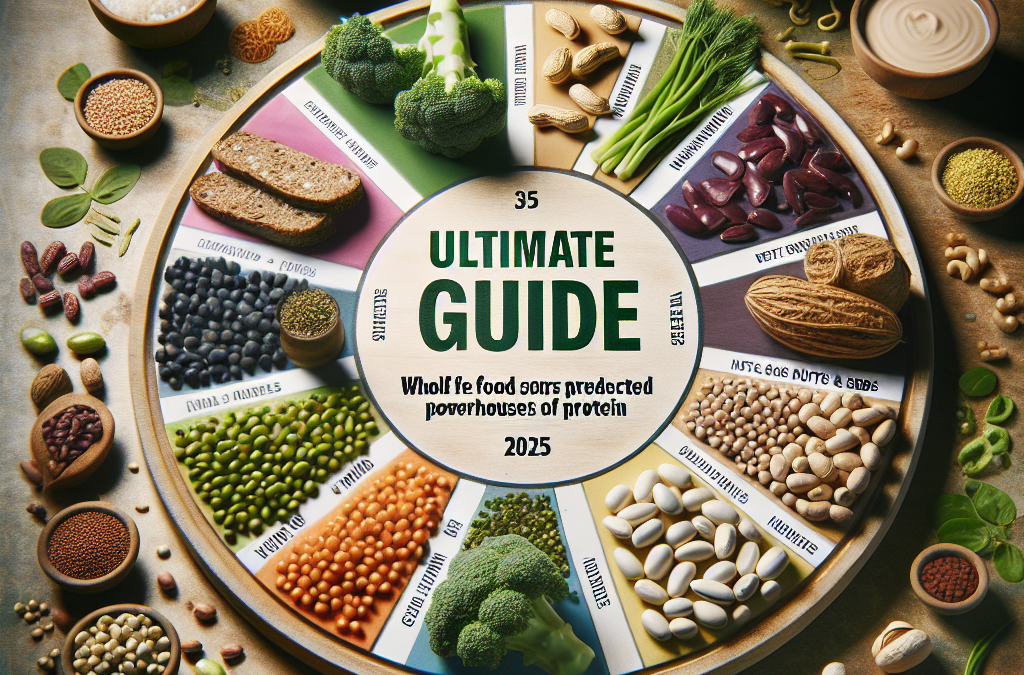
Understanding how specific whole foods affect cholesterol is vital. For instance, soluble fiber found in oats and legumes binds cholesterol in the digestive system, reducing its absorption. Healthy fats from avocados and nuts can improve lipid profiles by increasing HDL cholesterol. However, it’s essential to balance these foods with an overall healthy diet to avoid excessive calorie intake, which can lead to weight gain and negatively impact cholesterol levels.
The Role of Soluble Fiber
Soluble fiber is a key player in managing cholesterol levels. Found in foods such as oats, barley, beans, and certain fruits, soluble fiber helps to lower LDL cholesterol by binding with it in the digestive tract. This process prevents cholesterol from being absorbed into the bloodstream, effectively reducing total cholesterol levels.
To maximize the benefits of soluble fiber, aim to include a variety of sources in your daily meals. For example, starting your day with a bowl of oatmeal or adding beans to salads can significantly enhance your fiber intake. However, be mindful of portion sizes, as excessive consumption can lead to digestive discomfort.
Healthy Fats and Cholesterol
Incorporating healthy fats into your diet is essential for improving cholesterol levels. Unsaturated fats, especially monounsaturated and polyunsaturated fats, can help raise HDL cholesterol and lower LDL cholesterol. Foods rich in healthy fats include avocados, olive oil, fatty fish, and nuts.
While including these fats is beneficial, it’s crucial to consume them in moderation. For instance, while nuts are healthy, they are also calorie-dense, and overconsumption can lead to weight gain. Instead, use olive oil as a dressing or add a handful of nuts to your meals to reap the benefits without overindulging.
Antioxidant-Rich Foods
Antioxidants found in fruits and vegetables can play a significant role in heart health by reducing inflammation and preventing oxidative stress, which can contribute to higher cholesterol levels. Foods like berries, leafy greens, and cruciferous vegetables are particularly rich in antioxidants.
To enhance your diet, aim to fill half your plate with fruits and vegetables at each meal. This not only provides essential vitamins and minerals but also supports overall cardiovascular health. However, be cautious with fruit juices, as they often lack fiber and can contain high sugar levels.
Practical Tips for Incorporating Whole Foods
To effectively incorporate whole foods into your diet for better cholesterol management, consider these practical strategies: plan your meals around whole grains, legumes, and plenty of fruits and vegetables. Additionally, cooking methods matter; opt for grilling, steaming, or baking instead of frying.
Keep in mind that gradual changes are more sustainable than drastic shifts. Start by swapping refined grains for whole grains and adding a couple of servings of fruits and vegetables to your daily meals. This approach helps to create lasting habits that promote healthy cholesterol levels.
Huge Discount on the Best Certified Organic Whole Food Supplement!
Further Reading
Authoritative Sources
- Fiber and Heart Health
heart.orgThis resource explains the importance of fiber in managing cholesterol and offers practical tips for increasing fiber intake
- Dietary Fats and Cardiovascular Disease
ncbi.nlm.nih.govThis article reviews the impact of different types of dietary fats on heart health and cholesterol levels
- Healthy Eating for a Healthy Heart
cdc.govCDC provides comprehensive guidelines on heart-healthy eating practices
Frequently Asked Questions
What types of whole foods are best for lowering cholesterol?
Foods high in soluble fiber, healthy fats, and antioxidants, such as oats, avocados, and berries, are effective for lowering cholesterol.
How much fiber should I eat daily to support cholesterol levels?
Aim for at least 25 grams of fiber per day for women and 38 grams for men to support healthy cholesterol levels.
Can I eat eggs if I have high cholesterol?
Moderate egg consumption is generally acceptable; recent studies suggest they have minimal impact on cholesterol levels for most people.
What are some healthy cooking methods for whole foods?
Healthy cooking methods include steaming, grilling, baking, and sautéing with minimal oil to preserve nutrients and reduce added fats.
How quickly can I see changes in my cholesterol levels?
With dietary changes, you may see improvements in cholesterol levels within 6 to 8 weeks, depending on individual health factors.
Conclusion
Maintaining healthy cholesterol levels is achievable through the strategic incorporation of whole foods into your diet. Prioritize soluble fiber, healthy fats, and antioxidant-rich foods while being mindful of portion sizes and cooking methods. Start making gradual changes to your diet to create lasting habits that support cardiovascular health. By focusing on these practical strategies, you can effectively manage your cholesterol and promote overall well-being.
Huge Discount on the Best Certified Organic Whole Food Supplement!