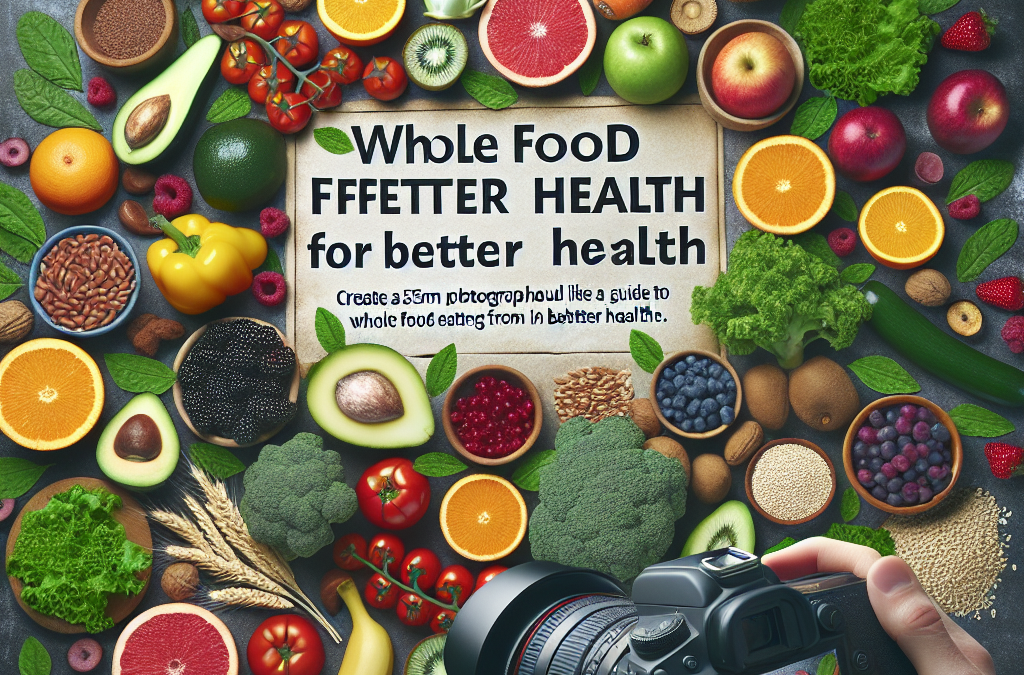
Understanding the impact of whole foods on gut bacteria is essential for anyone looking to improve their digestive health. A balanced gut microbiome is linked to various health benefits, including improved immunity, better digestion, and even mood regulation. However, many people overlook the specific types of foods that can effectively promote this balance. By prioritizing whole, unprocessed foods, individuals can address common dietary mistakes that contribute to gut dysbiosis.
The Role of Fiber in Gut Health
Fiber is a fundamental component of whole foods that significantly influences gut health. It acts as a prebiotic, feeding beneficial gut bacteria and promoting their growth. High-fiber foods, such as legumes, whole grains, and nuts, help maintain a healthy digestive system.
Many people do not consume enough fiber, leading to an imbalance in gut bacteria. To optimize gut health, aim for a variety of high-fiber foods, ensuring that you include both soluble and insoluble fibers. This diversity is crucial for fostering a robust microbiome, which can enhance nutrient absorption and reduce inflammation.
Fermented Foods and Their Benefits
Fermented foods such as yogurt, kefir, sauerkraut, and kimchi are excellent sources of probiotics, which are live bacteria that can confer health benefits. These foods help replenish beneficial bacteria in the gut and can improve digestion.
Incorporating fermented foods into your diet can help counteract the negative effects of processed foods, which often disrupt gut flora. By consuming a small serving of fermented foods regularly, you can enhance your gut health and potentially alleviate issues like bloating and irregular bowel movements.
Fruits and Vegetables: Powerhouses for Gut Flora
Fruits and vegetables are vital for gut health due to their high content of vitamins, minerals, and antioxidants. They also provide essential fiber and phytonutrients that support a healthy microbiome.
To maximize gut health benefits, focus on consuming a colorful variety of fruits and vegetables. Each color often represents different nutrients and compounds that can support various aspects of gut health. For instance, berries are rich in antioxidants, while leafy greens provide a range of vitamins and minerals.
Common Dietary Mistakes to Avoid
Avoiding processed foods and excessive sugars is crucial for maintaining gut health. These foods can negatively affect gut bacteria diversity and lead to inflammation. Recognizing common dietary mistakes, such as underestimating the importance of fiber and over-relying on convenience foods, is essential for making healthier choices.
To improve gut health, prioritize cooking meals from whole ingredients and experimenting with new recipes that include a variety of whole foods. This approach not only enhances gut health but also provides a range of nutrients that are often missing in processed diets.
Huge Discount on the Best Certified Organic Whole Food Supplement!
Further Reading
For those seeking to deepen their understanding of gut health and whole foods, consider exploring reputable sources on nutrition science and gut microbiome research.
Authoritative Sources
- The Role of Gut Microbiota in Human Health and Disease
ncbi.nlm.nih.govThis article provides a comprehensive overview of how gut microbiota affect health and the influence of diet
- Healthy Diet
who.intThe World Health Organization outlines the principles of a healthy diet, emphasizing whole foods
Frequently Asked Questions
How do whole foods affect gut bacteria?
Whole foods provide essential nutrients and fiber that support the growth of beneficial gut bacteria, promoting a balanced microbiome.
What are the best foods for gut health?
Foods such as fruits, vegetables, whole grains, legumes, and fermented products are among the best for promoting gut health.
Can processed foods harm gut bacteria?
Yes, processed foods often contain additives and sugars that can disrupt the balance of gut bacteria, leading to dysbiosis.
How much fiber should I eat for gut health?
Most adults should aim for at least 25-30 grams of fiber per day to support gut health and promote a diverse microbiome.
Are probiotics necessary for gut health?
While not necessary for everyone, probiotics can be beneficial, especially when included through fermented foods or supplements.
Conclusion
To effectively balance gut bacteria, prioritize whole foods that are rich in fiber, nutrients, and probiotics. Avoid processed foods and sugars that can harm microbiome diversity. By making informed dietary choices, you can significantly improve your gut health, leading to better digestion and overall wellness. Start incorporating a variety of whole foods today to foster a healthier gut environment.
Huge Discount on the Best Certified Organic Whole Food Supplement!