
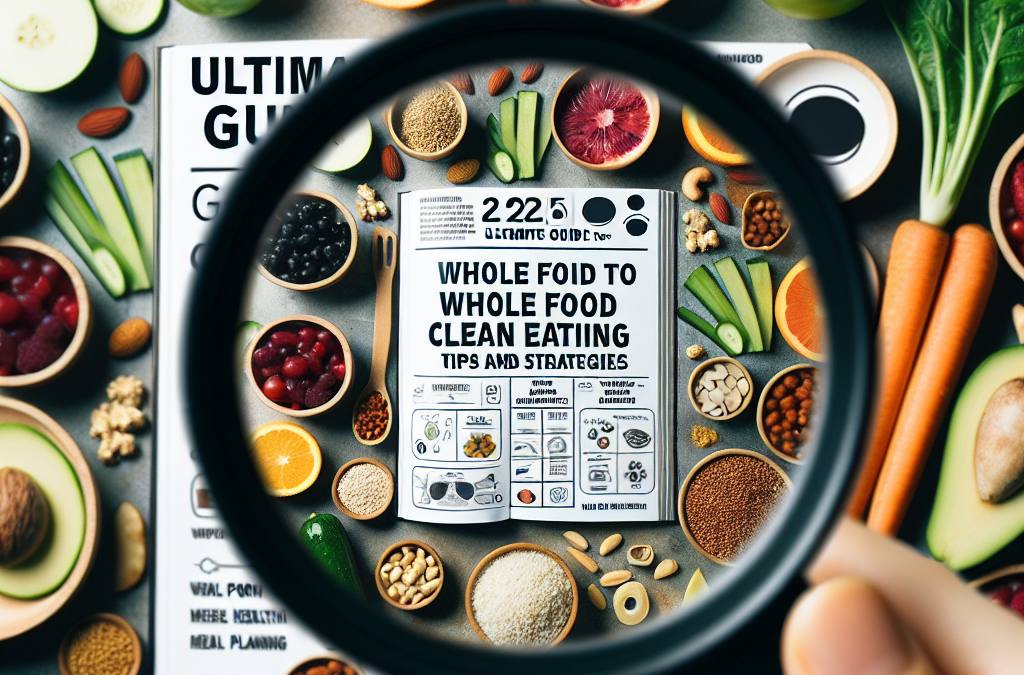
Understanding the specific nutrients found in whole foods is crucial. For instance, vitamins, minerals, and antioxidants play significant roles in metabolic processes and immune function. A diet rich in these elements can help reduce the risk of chronic diseases and improve overall wellness. When focusing on whole foods, it’s important to prioritize diversity in your diet to ensure a broad spectrum of nutrients.
The Role of Nutrients in Vitality
Nutrients from whole foods are vital for maintaining bodily functions and enhancing vitality. Key nutrients such as vitamins A, C, and E, along with minerals like magnesium and zinc, contribute to cellular health and energy production. Antioxidants found in fruits and vegetables help combat oxidative stress, which can lead to fatigue and illness.
Prioritizing nutrient-dense foods ensures that the body receives the necessary components to function optimally. For example, leafy greens are rich in iron and folate, which are essential for energy metabolism. Incorporating a variety of colors on your plate can help ensure a wide range of nutrients, enhancing overall vitality.
Practical Dietary Strategies
Implementing dietary strategies that focus on whole foods can significantly improve vitality. Start by planning meals around whole grains, legumes, nuts, seeds, and a variety of fruits and vegetables. These foods not only provide essential nutrients but also promote satiety and stable energy levels throughout the day.
Meal prepping can be a practical approach to ensure you have healthy options readily available. Consider preparing large batches of whole grain salads, vegetable stir-fries, or soups that incorporate a variety of whole foods. This not only saves time but also helps you avoid the temptation of processed foods during busy days.
Common Mistakes to Avoid
Many individuals overlook the importance of whole foods in their diet, often opting for processed options that lack essential nutrients. A common mistake is focusing solely on calorie intake rather than nutrient quality. While managing calorie consumption is important, the quality of those calories is crucial for vitality.
Additionally, failing to diversify food choices can lead to nutrient deficiencies. It’s important to rotate different food groups and try new ingredients to maximize nutrient intake. For instance, swapping out regular potatoes for sweet potatoes can provide additional vitamins and fiber.
Huge Discount on the Best Certified Organic Whole Food Supplement!
Further Reading
For readers seeking more in-depth information about whole foods and their impact on vitality, consider exploring resources from nutrition experts or health organizations. Check reputable websites for guidelines on incorporating whole foods into your diet effectively.
Further Reading
Authoritative Sources
- Ready.gov
ready.govOfficial U.S. preparedness guidance, checklists, and planning resources for households and emergencies.
- FEMA
fema.govFederal emergency management resources, disaster planning information, and recovery guidance.
- American Red Cross Emergency Preparedness
redcross.orgPractical emergency preparation steps, supply lists, and safety guidance for families.
- National Weather Service
weather.govOfficial forecasts, hazard alerts, and weather safety information.
- CDC Emergency Preparedness and Response
cdc.govPublic health guidance for emergencies, disasters, and recovery situations.
Frequently Asked Questions
What are whole foods?
Whole foods are natural foods that are unprocessed or minimally processed, such as fruits, vegetables, whole grains, nuts, and seeds.
How do whole foods improve energy levels?
Whole foods provide essential nutrients and fiber that help stabilize blood sugar levels, leading to sustained energy throughout the day.
Can whole foods help with weight management?
Yes, whole foods are nutrient-dense and high in fiber, which can promote satiety and help control appetite, aiding in weight management.
What are some examples of whole foods?
Examples include fresh fruits, vegetables, whole grains like quinoa and brown rice, legumes, nuts, and seeds.
How can I start incorporating more whole foods into my diet?
Begin by gradually replacing processed snacks with whole food options, planning meals that emphasize fruits and vegetables, and experimenting with new whole grains.
Conclusion
Incorporating whole foods into your diet is a powerful strategy for enhancing overall vitality. By focusing on nutrient-rich options and diversifying your food choices, you can significantly improve your health and energy levels. Prioritize meal planning and preparation to make whole foods a convenient part of your daily routine. Start today by making small changes that lead to lasting benefits.
Huge Discount on the Best Certified Organic Whole Food Supplement!

