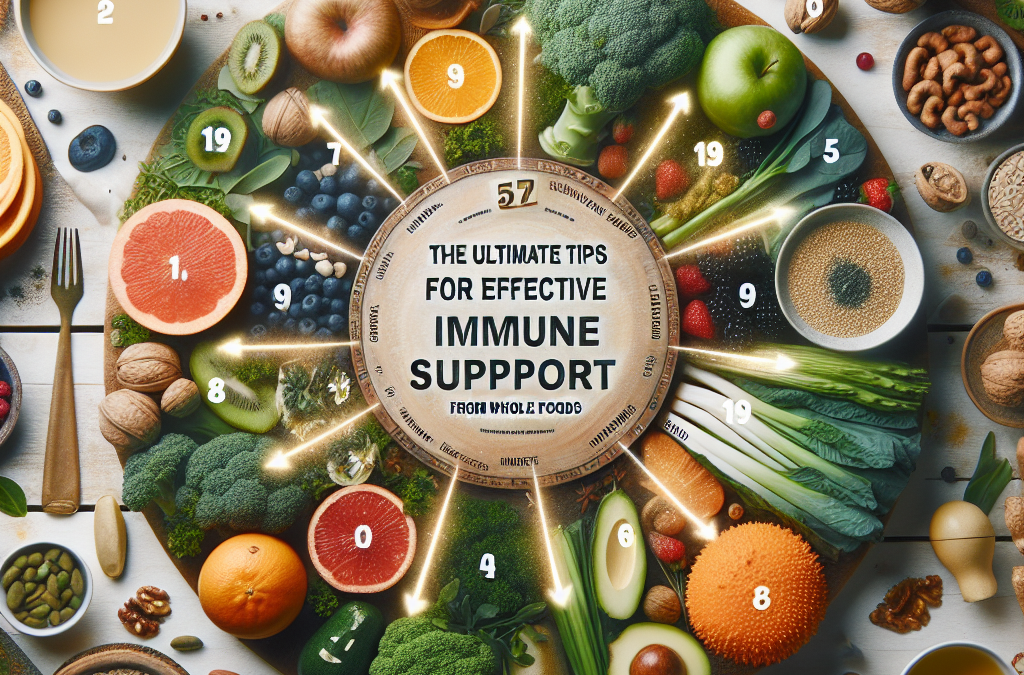
Understanding the specific nutrients found in whole foods and their impacts on hormones is vital. For instance, omega-3 fatty acids from sources like flaxseeds and walnuts can help reduce inflammation and support hormonal signaling. Similarly, fiber-rich foods can improve insulin sensitivity, which is crucial for hormonal balance. However, many people overlook the importance of food quality, often opting for processed alternatives that can disrupt hormonal function.
Moreover, the timing and combination of foods eaten can influence hormone levels. For example, consuming protein with carbohydrates can help stabilize blood sugar levels, preventing spikes that can lead to hormonal imbalances. It’s also essential to avoid common pitfalls, such as under-eating or relying too heavily on processed foods, which can lead to nutrient deficiencies and hormonal disruptions.
The Role of Nutrients in Hormone Production
Nutrients play a crucial role in hormone production and regulation. Vitamins such as B6, B12, and vitamin D are essential for synthesizing hormones and maintaining hormonal balance. Additionally, minerals like zinc and magnesium contribute to hormone signaling and function. A diet that prioritizes whole foods ensures adequate intake of these critical nutrients.
When focusing on whole food nutrition, it’s important to include a variety of nutrient-dense foods. Leafy greens, for instance, are rich in magnesium, which is essential for testosterone production and regulating cortisol levels. Meanwhile, foods high in zinc, such as pumpkin seeds and chickpeas, can support progesterone production in women. A balanced intake of these nutrients can help mitigate hormonal imbalances.
People often mistakenly think that all fats are harmful, but healthy fats found in avocados, nuts, and olive oil are vital for hormone production, particularly sex hormones. Prioritizing these sources can improve overall hormonal health and metabolic function.
Impact of Blood Sugar on Hormonal Balance
Blood sugar levels significantly influence hormone balance, particularly insulin and cortisol. High sugar intake and refined carbohydrates can lead to insulin resistance, which disrupts hormonal signaling and can lead to conditions like polycystic ovary syndrome (PCOS) in women. Consuming whole foods, which are generally lower on the glycemic index, can help stabilize blood sugar levels.
Incorporating whole grains, legumes, and fibrous vegetables into your diet can slow the absorption of sugar, preventing spikes in insulin. This approach not only supports blood sugar control but also reduces the risk of developing insulin-related hormonal issues. Additionally, maintaining stable blood sugar levels can decrease cortisol spikes, which are often triggered by stress and can lead to hormonal imbalances over time.
A common mistake is relying on quick fixes like sugary snacks for energy, which can lead to a cycle of blood sugar highs and lows. Instead, focus on balanced meals that combine proteins, healthy fats, and complex carbohydrates to promote sustained energy levels and hormonal stability.
Common Dietary Mistakes Affecting Hormones
Many individuals unknowingly make dietary choices that negatively impact hormone balance. For instance, excessive consumption of processed foods can lead to inflammation, which disrupts hormonal function. Additionally, diets low in healthy fats can hinder the production of essential hormones, including estrogen and testosterone.
Another frequent mistake is neglecting meal timing and composition. Skipping meals can lead to blood sugar crashes and increased cortisol levels, both of which can disturb hormonal balance. Instead, prioritizing regular, nutrient-dense meals can stabilize hormones and improve overall health.
People often overlook the importance of hydration as well. Dehydration can lead to increased cortisol levels, further impacting hormonal balance. Ensuring adequate water intake is a simple yet effective way to support hormonal health.
Huge Discount on the Best Certified Organic Whole Food Supplement!
Practical Steps to Implement Whole Food Nutrition
Implementing whole food nutrition doesn’t have to be overwhelming. Start by gradually replacing processed foods with whole food alternatives. Focus on incorporating more fruits, vegetables, whole grains, lean proteins, and healthy fats into your meals. Meal prepping can also help ensure that you have nutritious options readily available, reducing the temptation to reach for processed snacks.
Another practical step is to educate yourself on food sourcing. Choosing organic and locally sourced foods when possible can enhance the nutritional quality of your diet. Additionally, becoming familiar with seasonal produce can help you make better choices and enjoy a variety of nutrients throughout the year.
Don’t forget to listen to your body’s hunger and satiety cues. Eating mindfully can help you develop a healthier relationship with food and promote better hormonal balance over time. Keeping a food journal can also help identify patterns and areas for improvement.
Frequently Asked Questions
What types of foods help balance hormones?
Foods rich in omega-3 fatty acids, fiber, and antioxidants, such as fatty fish, leafy greens, and nuts, can help balance hormones.
How does stress affect hormonal balance?
Stress increases cortisol levels, which can disrupt the balance of other hormones and lead to various health issues.
Can hormonal imbalances be reversed with diet?
Yes, a balanced diet rich in whole foods can help reverse hormonal imbalances by providing essential nutrients and stabilizing blood sugar.
How long does it take to see results from dietary changes?
Results can vary, but many individuals may start to notice improvements in hormonal balance within a few weeks of dietary changes.
Are there specific diets that are best for hormonal health?
Diets focusing on whole foods, such as the Mediterranean or plant-based diets, are often recommended for supporting hormonal health.
Further Reading
Authoritative Sources
Conclusion
Ultimately, whole food nutrition is fundamental for supporting hormone balance through the provision of essential nutrients that regulate hormonal functions. Prioritizing a diet rich in fruits, vegetables, healthy fats, and lean proteins can enhance hormonal health and prevent imbalances. To achieve optimal results, focus on meal timing, avoid processed foods, and stay hydrated. By making these dietary adjustments, individuals can take significant steps toward achieving hormonal balance and overall well-being.
Huge Discount on the Best Certified Organic Whole Food Supplement!