
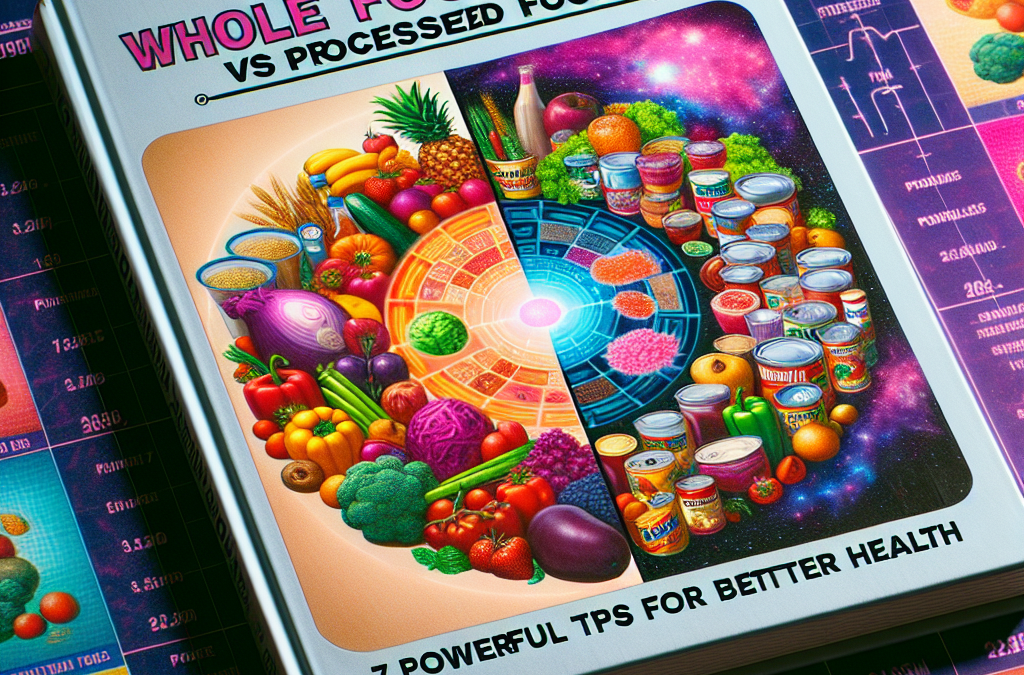
Starting a whole food pantry means understanding the balance between nutrition and practicality. For beginners, it’s crucial to avoid overwhelming yourself with too many options. Focus on versatile items that can serve multiple purposes, such as brown rice for grain bowls or lentils for soups. Mistakes often stem from purchasing items that go unused due to lack of familiarity with cooking methods or recipes.
Many new pantry builders overlook the importance of planning. Consider creating a meal plan that incorporates the items you intend to purchase. This not only reduces food waste but also ensures that you are prepared and have the right ingredients on hand for your meals. Establishing a solid base of whole food essentials will help you navigate your cooking journey with confidence.
Whole Grains: The Foundation of Your Pantry
Whole grains are essential for a well-rounded pantry as they provide complex carbohydrates, fiber, and important nutrients. Common options include brown rice, quinoa, oats, and whole wheat pasta. These grains serve as a base for many meals, from salads to stir-fries.
When selecting whole grains, consider your cooking time and versatility. For instance, quinoa cooks quickly and can be used in salads or as a side dish, while brown rice takes longer but is equally nutritious. Beginners should experiment with different grains to find which they enjoy most, as this will encourage more frequent use and help develop cooking skills.
Additionally, be mindful of storage. Whole grains should be kept in airtight containers in a cool, dark place to maintain freshness. Regularly check for any signs of spoilage, as stale grains can affect the taste of your meals.
Legumes: Protein-Packed Staples
Legumes, such as lentils, chickpeas, and black beans, are an excellent source of plant-based protein and fiber. They are incredibly versatile and can be used in a wide range of recipes, from soups and stews to salads and veggie burgers.
For beginners, dried legumes can be economical, but they require soaking and longer cooking times. Canned legumes offer convenience and are ready to use, making them a great option for quick meals. Always rinse canned varieties to reduce sodium content and improve taste.
It’s important to note that incorporating legumes into your diet may lead to digestive discomfort for some. Gradually increasing your intake can help your body adjust. Additionally, experimenting with different preparation methods, such as roasting chickpeas for a crunchy snack, can enhance your experience.
Nuts and Seeds: Healthy Fats and Crunch
Nuts and seeds are packed with healthy fats, protein, and essential nutrients. Almonds, walnuts, chia seeds, and flaxseeds are excellent choices to include in your pantry. They can be added to smoothies, salads, or eaten as snacks.
When purchasing nuts and seeds, consider whether you prefer them raw or roasted, and be cautious of added oils or salts. Store them in airtight containers to prevent them from going rancid. Freshness is key, as stale nuts can detract from the flavor of your dishes.
Be aware of portion sizes, as nuts and seeds are calorie-dense. A handful is typically a suitable serving. Incorporating a variety of nuts and seeds can enhance the nutritional profile of your meals while also adding texture and flavor.
Canned and Frozen Goods: Convenience with Nutrition
Canned and frozen fruits and vegetables are excellent pantry staples that provide convenience without sacrificing nutrition. Opt for no-sugar-added canned fruits and low-sodium canned vegetables to maintain health benefits.
These items can help reduce food waste and ensure you always have nutritious options on hand. Frozen vegetables, for example, retain their nutrients and can be quickly added to stir-fries, soups, or casseroles. Canned tomatoes are particularly versatile for sauces and stews.
Huge Discount on the Best Certified Organic Whole Food Supplement!
However, be mindful of expiration dates and storage methods. Canned goods can last for years, but once opened, they should be refrigerated and consumed within a few days. Similarly, ensure frozen items are kept at consistent temperatures to maintain quality.
Spices and Seasonings: Enhancing Flavor Naturally
A well-stocked pantry should include a variety of spices and seasonings to enhance the flavor of your dishes. Basic spices such as salt, pepper, garlic powder, cumin, and paprika can transform simple meals into flavorful experiences.
When starting, consider purchasing whole spices and grinding them as needed for maximum freshness. This not only improves the taste but also allows you to customize flavors according to your preferences. Be cautious with spice quantities, as some can be quite potent.
Storing spices in a cool, dark place will help preserve their potency. Regularly check for freshness, as spices can lose flavor over time. Experimenting with new spices can also inspire you to try different cuisines and broaden your culinary skills.
Frequently Asked Questions
What are the best whole grains to keep in a pantry?
Brown rice, quinoa, oats, and whole wheat pasta are excellent choices for a well-rounded pantry.
How can I make legumes easier to cook with?
Using canned legumes offers convenience, while soaking dried legumes overnight can reduce cooking time.
What is the best way to store nuts and seeds?
Store nuts and seeds in airtight containers in a cool, dark place to maintain freshness and prevent rancidity.
How long do canned goods last?
Canned goods can last for years if stored properly, but once opened, they should be refrigerated and consumed within a few days.
What spices should I start with for my pantry?
Begin with basic spices such as salt, pepper, garlic powder, cumin, and paprika to enhance your cooking.
Further Reading
Authoritative Sources
Conclusion
Building a whole food pantry is an empowering step for beginners looking to improve their cooking skills and nutrition. By focusing on versatile staples like whole grains, legumes, nuts, and spices, you can create a solid foundation for healthy meals. Prioritize planning and storage to ensure your pantry remains functional and effective. As you gain confidence, don’t hesitate to experiment with new ingredients and recipes to further enrich your culinary repertoire.
Huge Discount on the Best Certified Organic Whole Food Supplement!

