
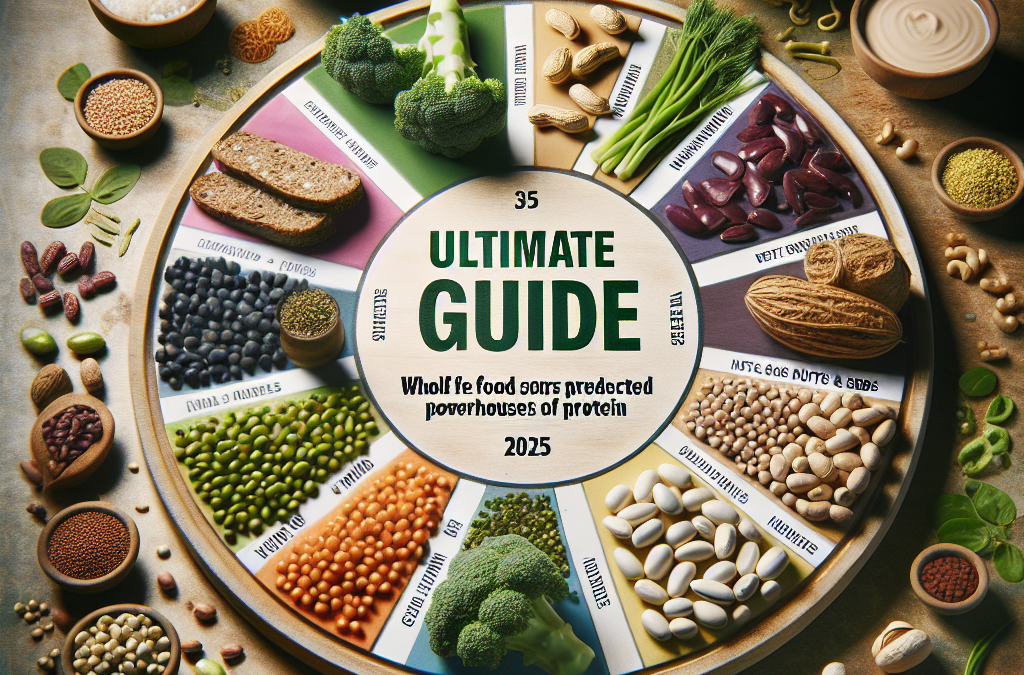
When creating your grocery list, it’s crucial to recognize that not all whole foods are created equal. Many newcomers mistakenly believe that any food labeled as ‘natural’ or ‘organic’ is necessarily healthy. Instead, focus on the whole foods that are minimally processed. This means opting for items that are as close to their natural state as possible, which can help prevent hidden sugars and additives from sneaking into your meals.
A common mistake beginners make is not considering the importance of variety in their grocery selections. A diverse range of foods ensures a balanced intake of nutrients and keeps meals exciting. While it may be tempting to stick with familiar items, exploring new fruits, vegetables, grains, and legumes can enhance your cooking and nutrition.
Building Your Simple Grocery List
To create an effective grocery list, start by identifying the core components of a whole food diet. This includes a variety of fruits, vegetables, whole grains, legumes, nuts, and seeds. Each category contributes essential nutrients necessary for a balanced diet. For instance, fruits and vegetables provide vitamins, minerals, and fiber, while whole grains offer complex carbohydrates and energy.
Additionally, consider your cooking habits and preferences. If you enjoy baking, include whole grain flours or oats. If you favor salads, prioritize leafy greens, colorful vegetables, and healthy fats like olive oil or avocados. Tailoring your grocery list to your cooking style will help you remain committed to your whole food journey.
Remember to evaluate your pantry and refrigerator before shopping to avoid purchasing duplicates. This practice not only saves money but also minimizes waste. Start with a foundation of staple items and build upon them weekly as you explore new recipes and ingredients.
Essential Whole Food Categories
Whole foods can be categorized into several essential groups that provide a range of nutrients. These categories include:
- Fruits: Apples, bananas, berries, and citrus fruits.
- Vegetables: Leafy greens, cruciferous vegetables, and root vegetables.
- Whole Grains: Brown rice, quinoa, barley, and oats.
- Legumes: Lentils, chickpeas, and black beans.
- Nuts and Seeds: Almonds, walnuts, chia seeds, and flaxseeds.
- Healthy Fats: Olive oil, coconut oil, and avocados.
Including a variety of these foods in your grocery list ensures a balanced intake of macronutrients and micronutrients. For example, incorporating different colored vegetables can maximize nutrient diversity while enhancing meal presentation.
Moreover, each category serves a specific purpose in your diet. For instance, legumes are excellent sources of protein and fiber, while healthy fats support brain health and hormone production. Understanding the role of each food group can help you make informed choices.
Common Pitfalls to Avoid
As you embark on your whole food journey, it’s essential to be aware of common pitfalls. One significant mistake is over-relying on packaged whole food products. Many of these items, while marketed as ‘healthy,’ can contain added sugars, preservatives, and unhealthy fats.
Another common issue is not planning meals ahead of time. Without a clear meal plan, you may end up making impulsive purchases that do not align with your goals. Take the time to plan your meals for the week, which can streamline your grocery shopping and help you stick to your whole food principles.
Lastly, many beginners overlook the importance of seasonal and local produce. Buying in-season fruits and vegetables is not only more cost-effective but also ensures peak flavor and freshness. Local farmers’ markets often offer the best selections, allowing you to support your community while enjoying high-quality produce.
Huge Discount on the Best Certified Organic Whole Food Supplement!
Tips for Shopping Smart
To maximize your grocery shopping experience, consider these practical tips:
- Make a List: Write down items before shopping to avoid impulse buys.
- Shop the Perimeter: Focus on the outer aisles of the store where fresh produce, meats, and dairy are typically located.
- Buy in Bulk: Purchasing grains, nuts, and seeds in bulk can save money and reduce packaging waste.
- Join a CSA: Community Supported Agriculture programs provide fresh, local produce directly from farmers.
- Seasonal Buying: Research which fruits and vegetables are in season to ensure freshness and cost-effectiveness.
Implementing these strategies will help you navigate the grocery store more effectively and make informed choices that align with your whole food goals.
For additional insights into building a nutritious grocery list and understanding whole foods, consider exploring reputable resources such as:
Frequently Asked Questions
What should I include in my simple grocery list for whole foods?
Include fresh fruits, vegetables, whole grains, legumes, nuts, seeds, and healthy fats. Focus on unprocessed items for optimal nutrition.
How can I avoid impulse buying at the grocery store?
Make a detailed shopping list before going to the store and stick to it. Avoid shopping when hungry to reduce cravings.
Why is seasonal produce better?
Seasonal produce is typically fresher, more flavorful, and often less expensive. It also supports local farmers and sustainable practices.
Are all organic foods healthy?
No, not all organic foods are healthy. Some organic products may still contain added sugars and unhealthy ingredients, so always read labels.
How can meal planning help with whole food eating?
Meal planning helps you make intentional food choices, reduces food waste, and ensures you have all necessary ingredients for healthy meals.
Further Reading
Authoritative Sources
- NIH Office of Dietary Supplements
ods.od.nih.govEvidence-based information on vitamins, minerals, supplements, and nutrition-related questions.
- USDA FoodData Central
fdc.nal.usda.govUSDA nutrient data for foods and ingredients used in nutrition decisions.
- Harvard T.H. Chan School of Public Health Nutrition Source
hsph.harvard.eduPublic health nutrition guidance and educational resources.
Conclusion
Creating a simple grocery list for whole food beginners is an essential step towards a healthier lifestyle. By focusing on fresh, unprocessed ingredients and being mindful of your shopping habits, you can build a nutritious pantry that supports your well-being. Remember to prioritize variety, plan your meals, and explore seasonal produce to enhance your culinary experience. As you embark on this journey, stay committed to making informed choices that align with your health goals.
Huge Discount on the Best Certified Organic Whole Food Supplement!

