
Understanding the underlying causes of sugar cravings is crucial. Cravings often stem from spikes and drops in blood sugar, which can occur when consuming processed foods high in refined sugars. By replacing these foods with whole, nutrient-dense alternatives, you can create a more balanced diet that prevents the rapid fluctuations that trigger cravings.
A common mistake many make is relying solely on willpower to resist cravings. Instead, focus on building a diet rich in whole foods that provide sustained energy. Prioritizing high-fiber, high-protein foods can help maintain satiety and reduce the urge to reach for sugary snacks. Incorporating healthy fats, such as avocados and nuts, can also contribute to a feeling of fullness and satisfaction.
Understanding Sugar Cravings
Sugar cravings are often linked to emotional and physiological factors. When you consume sugar, your brain releases dopamine, a neurotransmitter that makes you feel good. Over time, your body may start to crave this quick energy source, especially during stressful moments. Understanding this connection can help you recognize when cravings strike and how to manage them effectively.
To combat these cravings, it’s essential to focus on stabilizing your blood sugar levels. Whole foods are beneficial in this regard as they break down slowly, providing a steady release of energy. Incorporating foods with a low glycemic index can help reduce the likelihood of sudden cravings.
Another factor to consider is your hydration level. Often, people confuse thirst with hunger or cravings. Staying well-hydrated can help prevent unnecessary snacking and cravings for sugar-laden foods.
Whole Foods That Help
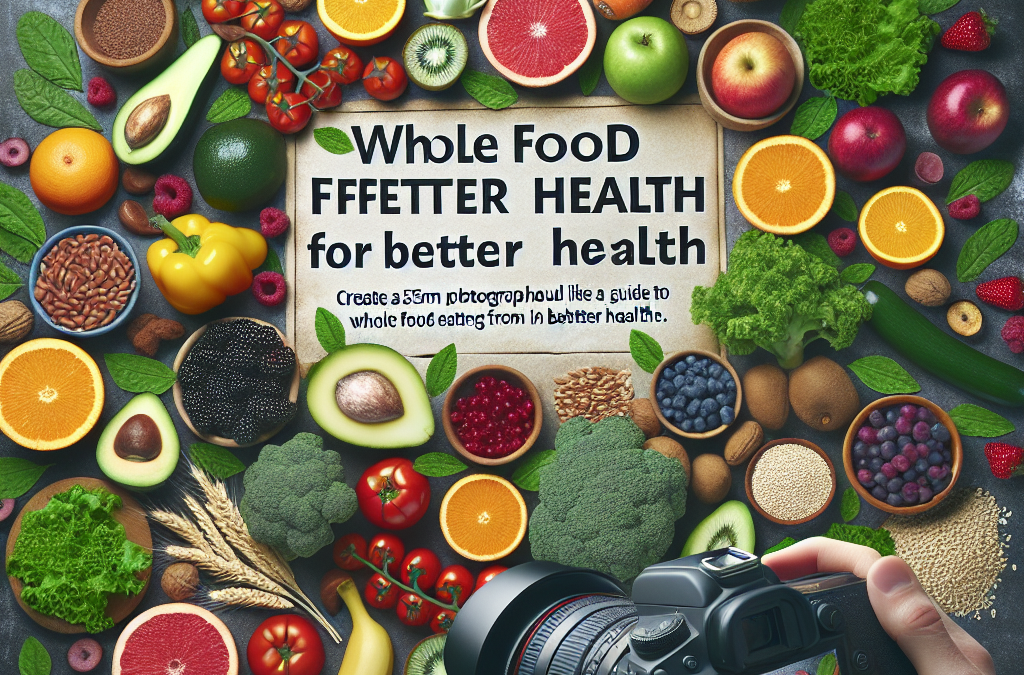
Certain whole foods are particularly effective at reducing sugar cravings. Fruits like berries, apples, and pears are high in fiber and water content, helping to fill you up without a significant sugar load. Vegetables, especially leafy greens, provide essential vitamins and minerals that can also curb cravings.
Incorporating whole grains, such as quinoa, brown rice, and oats, can further aid in maintaining stable blood sugar levels. These foods are rich in fiber and nutrients, which help keep you satiated longer. Additionally, protein-rich foods like legumes, eggs, and lean meats can help balance hunger hormones, reducing the urge for sugary snacks.
It is also beneficial to include healthy fats in your diet. Foods like nuts, seeds, and avocados not only provide essential fatty acids but also help to slow down digestion, leading to prolonged feelings of fullness.
Practical Strategies to Implement
Implementing a few practical strategies can significantly reduce sugar cravings. Start by planning your meals around whole foods, focusing on balanced plates that include protein, healthy fats, and fiber. Prepare snacks ahead of time, such as cut-up vegetables with hummus or yogurt with nuts, to avoid reaching for sugary options when hunger strikes.
Mindful eating is another effective strategy. Taking time to savor your food can enhance your satisfaction and reduce the likelihood of cravings. Pay attention to your hunger cues and try to eat without distractions.
Huge Discount on the Best Certified Organic Whole Food Supplement!
Additionally, consider keeping a food diary to track your eating habits and cravings. Noting when cravings occur can help identify patterns and triggers, allowing you to adjust your diet and habits accordingly.
Common Mistakes to Avoid
A common mistake in trying to reduce sugar cravings is eliminating all sugar completely, which can lead to increased cravings and binge eating. Instead, focus on moderation and making healthier choices. Gradually decreasing your sugar intake while replacing it with whole food alternatives can lead to more sustainable results.
Another pitfall is relying on artificial sweeteners. While they may seem like a good substitute, they can sometimes trigger cravings for real sugar. Instead, opt for natural sweeteners like honey or maple syrup in moderation.
Lastly, neglecting to address emotional eating can keep cravings alive. Find alternative coping mechanisms for stress and emotions, such as exercise or meditation, to reduce reliance on sugary foods for comfort.
Frequently Asked Questions
What are the best whole foods to reduce sugar cravings?
Fruits, vegetables, whole grains, legumes, and healthy fats are excellent choices to help reduce sugar cravings.
How can I stop sugar cravings at night?
Eating a balanced dinner with protein and healthy fats can help prevent nighttime sugar cravings. Additionally, staying hydrated can reduce the urge to snack.
Are sugar cravings a sign of something wrong?
Frequent sugar cravings may indicate imbalances in blood sugar levels, stress, or emotional factors. It’s essential to evaluate your diet and habits.
Can I satisfy sugar cravings with fruit?
Yes, fruits can satisfy sugar cravings while providing fiber and nutrients. Opt for whole fruits instead of fruit juices or dried fruits.
How long does it take to reduce sugar cravings?
It can take a few weeks to adjust to lower sugar intake, but incorporating whole foods can significantly speed up the process and help stabilize cravings.
Further Reading
Authoritative Sources
- Library of Congress Research Guides
guides.loc.govResearch guides that help readers locate reliable background sources on a wide range of subjects.
- USA.gov Official Information and Services
usa.govOfficial U.S. government information and public resources for practical reference.
- Google Scholar
scholar.google.comAcademic search resource for finding research literature and source material.
Conclusion
Reducing sugar cravings through whole foods requires a strategic approach that emphasizes balanced nutrition and mindful eating. Prioritize incorporating fruits, vegetables, whole grains, and healthy fats into your meals to create a satisfying and nourishing diet. By understanding the triggers behind your cravings and implementing practical strategies, you can effectively manage your desire for sugar and improve your overall health. Start making these changes today for a more balanced and less sugar-dependent lifestyle.
Huge Discount on the Best Certified Organic Whole Food Supplement!

