
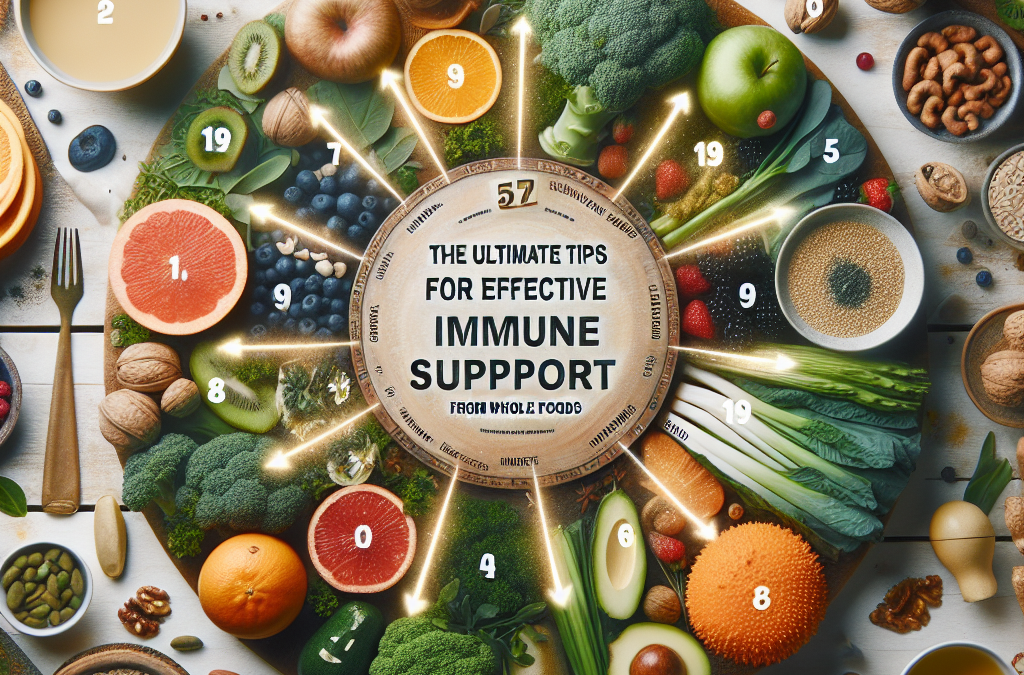
Transitioning to whole foods involves prioritizing fruits, vegetables, whole grains, nuts, and seeds while minimizing processed items high in sugars, unhealthy fats, and artificial additives. Many people find that adopting this lifestyle improves not just their physical health but also their mental clarity and emotional stability. However, it’s essential to approach this shift with a plan to avoid common pitfalls such as nutrient deficiencies or overwhelming dietary changes.
A frequent mistake is assuming that all whole foods are automatically healthy. For instance, whole grains are beneficial, but excessive consumption can lead to calorie overload. Balancing portions and ensuring variety is vital to maximize the benefits of a whole food lifestyle without unintended consequences.
Understanding Whole Foods
Whole foods are those that are minimally processed and free from artificial ingredients. They include fresh fruits, vegetables, legumes, whole grains, nuts, and seeds. The core principle of this lifestyle is to consume foods in their natural state, which preserves their nutritional content and health benefits.
Adopting a whole food lifestyle means being mindful of the sources of your food. Prioritizing local, seasonal produce can enhance the quality of your meals while supporting local agriculture. This connection to food sources fosters a greater appreciation for what you eat and encourages healthier choices.
Many people overlook the importance of variety in their whole food diets. Eating a diverse range of foods not only prevents boredom but also ensures a broader spectrum of nutrients. Aim to include different colors and types of fruits and vegetables in your meals for optimal health benefits.
Key Nutritional Benefits
The nutritional benefits of a whole food lifestyle are profound. Whole foods are typically rich in vitamins, minerals, antioxidants, and fiber, all of which contribute to overall health. These nutrients play critical roles in bodily functions, from immune support to energy production.
For instance, foods high in fiber, such as whole grains and legumes, promote digestive health and help regulate blood sugar levels. Additionally, the antioxidants found in fruits and vegetables protect the body from oxidative stress, which can lead to chronic diseases. Prioritizing these nutrient-dense foods can significantly lower the risk of conditions such as diabetes, heart disease, and obesity.
However, it’s not just about individual nutrients. The synergistic effects of whole foods working together can enhance their benefits. For example, pairing vitamin C-rich foods with iron sources improves iron absorption, showcasing the importance of meal composition in maximizing health benefits.
Practical Tips for Transitioning
Transitioning to a whole food lifestyle can seem daunting, but it can be achieved with strategic planning. Start by gradually incorporating more whole foods into your diet while reducing processed items. This gradual approach helps your palate adapt without feeling deprived.
Meal prep can also be a game-changer. Preparing meals in advance ensures you have healthy options readily available, reducing the temptation to revert to processed foods. Focus on batch-cooking staples like grains and legumes, which can serve as the foundation for various meals throughout the week.
Another practical tip is to educate yourself about whole food recipes. Exploring new cooking methods and flavors can keep your meals exciting and satisfying. Online resources, cookbooks, and cooking classes can provide inspiration and knowledge to enhance your culinary skills.
Huge Discount on the Best Certified Organic Whole Food Supplement!
Common Mistakes to Avoid
While transitioning to a whole food lifestyle, it’s crucial to avoid some common mistakes. One prevalent issue is the misconception that all whole foods are healthy in any quantity. For example, nuts and seeds are nutrient-dense but also calorie-dense, so moderation is key.
Another mistake is neglecting meal planning, which can lead to last-minute choices that favor convenience over health. Establishing a weekly menu can help in making intentional food choices. Additionally, many people forget to read labels, assuming that if a product is labeled as “natural” or “organic,” it is automatically healthy. Always check ingredient lists for additives and preservatives.
In closing, be cautious of falling into a monotonous routine. Eating the same foods repeatedly can lead to nutrient deficiencies and decreased enjoyment of meals. Embrace variety and explore different whole food options to keep your diet balanced and enjoyable.
Frequently Asked Questions
What are whole foods?
Whole foods are unprocessed or minimally processed foods that are free from artificial ingredients, including fruits, vegetables, whole grains, nuts, and seeds.
How can I start a whole food lifestyle?
Begin by gradually incorporating more whole foods into your diet, meal prepping, and exploring new recipes to make healthy eating enjoyable.
Are whole foods always healthier?
While whole foods are generally healthier than processed options, portion control is essential, as some whole foods can be calorie-dense.
What are the benefits of eating whole foods?
Whole foods provide essential nutrients, improve digestion, boost energy levels, and reduce the risk of chronic diseases.
Can I eat out while following a whole food lifestyle?
Yes, many restaurants offer whole food options. Look for meals that emphasize fresh ingredients, whole grains, and vegetables.
Further Reading
Authoritative Sources
- NIH Office of Dietary Supplements
ods.od.nih.govEvidence-based information on vitamins, minerals, supplements, and nutrition-related questions.
- USDA FoodData Central
fdc.nal.usda.govUSDA nutrient data for foods and ingredients used in nutrition decisions.
- Harvard T.H. Chan School of Public Health Nutrition Source
hsph.harvard.eduPublic health nutrition guidance and educational resources.

