
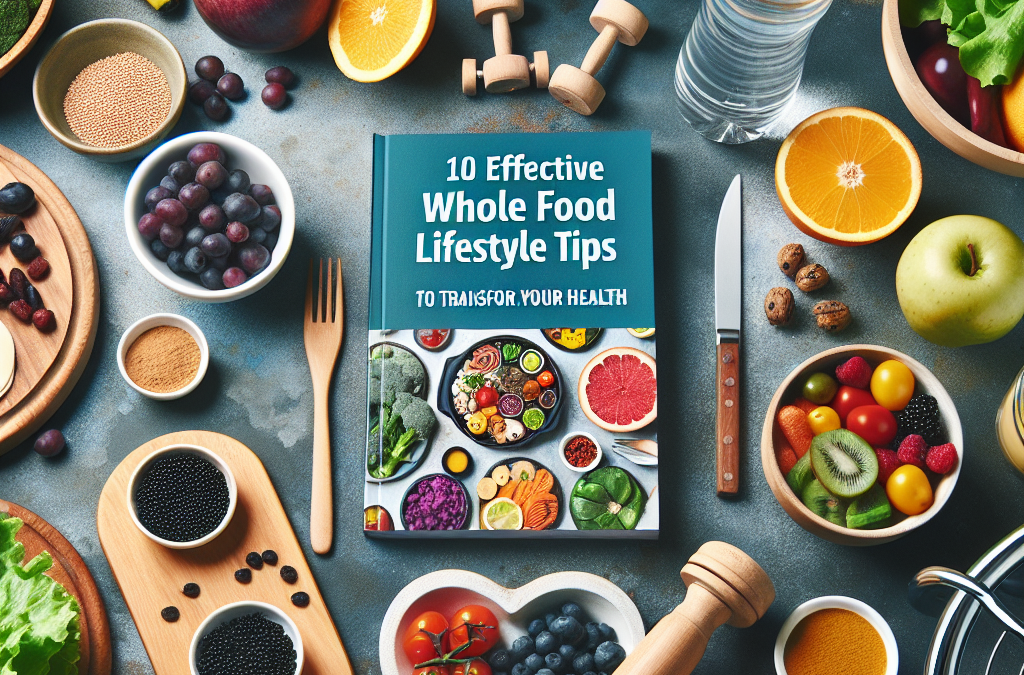
Many people mistakenly believe that weight loss requires drastic calorie restriction or the elimination of entire food groups. However, focusing on whole foods allows for a more balanced approach that can be maintained long-term. Whole foods tend to be less processed and free from added sugars and unhealthy fats, making them a healthier choice. Additionally, their high fiber content aids digestion and prolongs feelings of fullness, reducing the likelihood of overeating.
Another common misconception is that all calories are created equal. Whole foods not only provide calories but also essential nutrients that support overall health. Prioritizing these foods can lead to better energy levels and improved metabolic function, which are crucial for sustainable weight loss. When making dietary changes, it’s important to consider the quality of your food choices rather than just the quantity.
The Role of Fiber in Weight Management
Fiber plays a crucial role in weight management by promoting feelings of fullness and aiding digestion. High-fiber whole foods, such as fruits, vegetables, and whole grains, slow down the digestion process, which helps keep you satisfied for longer periods. This can prevent snacking on unhealthy options between meals.
Incorporating fiber into your diet can also help regulate blood sugar levels, leading to fewer cravings and more stable energy throughout the day. It’s essential to gradually increase fiber intake to avoid digestive discomfort and ensure your body adjusts properly.
Many individuals overlook the importance of hydration when increasing fiber intake. Drinking plenty of water helps fiber do its job effectively and promotes healthy digestion. Aim for a balanced approach that includes both fiber-rich foods and adequate hydration to support your weight loss goals.
Nutritional Benefits of Whole Foods
Whole foods are packed with essential nutrients that contribute to overall health and wellness. Unlike processed foods, which often lack vitamins and minerals, whole foods provide a wide range of nutrients that support bodily functions. For instance, leafy greens are rich in iron and calcium, while nuts and seeds offer healthy fats and protein.
These nutritional benefits extend beyond weight loss. Consuming a diet rich in whole foods can improve mood, boost energy levels, and enhance cognitive function. When your body receives the nutrients it needs, it can perform optimally, making it easier to stick to healthy eating habits.
Additionally, whole foods often have a lower glycemic index compared to processed options, which means they have a gentler impact on blood sugar levels. This can help prevent spikes and crashes in energy, further supporting your weight management efforts.
Practical Ways to Incorporate Whole Foods
Incorporating whole foods into your diet doesn’t have to be complicated. Start by making small changes, such as replacing processed snacks with fruits or nuts. Meal prepping can also be a helpful strategy—prepare healthy meals in advance to avoid the temptation of fast food or unhealthy options.
Shopping the perimeter of the grocery store is another effective method; this area typically contains fresh produce, meats, and dairy products, while the inner aisles often hold processed items. Focus on seasonal produce to enjoy the freshest flavors and nutrients while supporting local farmers.
Huge Discount on the Best Certified Organic Whole Food Supplement!
Consider experimenting with new whole food recipes to keep your meals exciting. Finding creative ways to prepare vegetables or whole grains can make healthy eating more enjoyable and sustainable in the long run.
Common Mistakes to Avoid
One common mistake is assuming that all whole foods are low in calories. While they are often more nutritious, some whole foods, like avocados and nuts, are calorie-dense. It’s important to be mindful of portion sizes, even with healthy foods.
Another pitfall is neglecting to balance macronutrients. A diet that is overly focused on one food group can lead to deficiencies and cravings. Aim for a balanced intake that includes carbohydrates, proteins, and fats from whole food sources.
Lastly, many people fail to read labels properly. Just because a product is labeled as “organic” or “natural” doesn’t mean it’s entirely healthy. Always check the ingredient list to ensure you’re making informed choices.
Frequently Asked Questions
What are whole foods?
Whole foods are minimally processed foods that retain their natural nutrients, such as fruits, vegetables, whole grains, nuts, and seeds.
How do whole foods help with weight loss?
Whole foods help with weight loss by providing high fiber content, which promotes satiety and reduces overall calorie intake.
Can I eat whole foods and still gain weight?
Yes, it’s possible to gain weight by consuming whole foods if portion sizes are not managed, as some whole foods are calorie-dense.
What are some examples of whole foods?
Examples of whole foods include fresh fruits, vegetables, legumes, whole grains, nuts, and seeds.
How can I start eating more whole foods?
Start by incorporating more fruits and vegetables into your meals, choosing whole grains over refined options, and preparing simple snacks with nuts or seeds.
Further Reading
Authoritative Sources
- Library of Congress Research Guides
guides.loc.govResearch guides that help readers locate reliable background sources on a wide range of subjects.
- USA.gov Official Information and Services
usa.govOfficial U.S. government information and public resources for practical reference.
- Google Scholar
scholar.google.comAcademic search resource for finding research literature and source material.
Conclusion
Embracing whole foods is a powerful strategy for sustainable weight loss. By focusing on nutrient-dense options, you can improve your overall health while effectively managing your weight. Remember to prioritize fiber intake, balance your meals, and stay mindful of portion sizes. Making gradual changes will help you create lasting habits that support not only weight loss but also a healthier lifestyle. Start today by incorporating more whole foods into your diet and enjoy the benefits that come with them.
Huge Discount on the Best Certified Organic Whole Food Supplement!

