
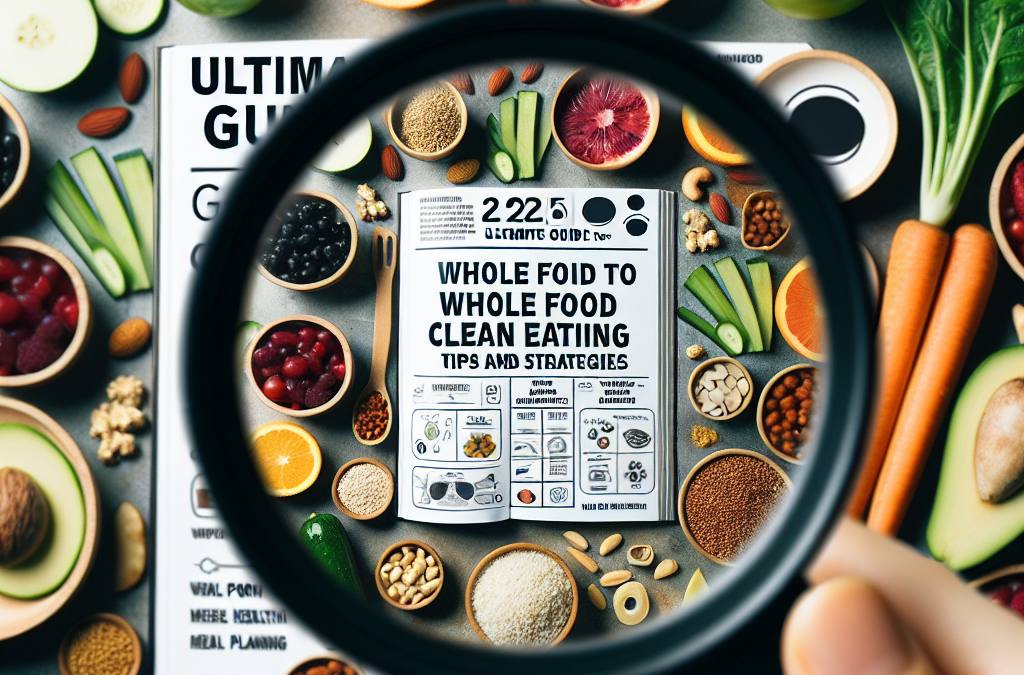
Incorporating whole foods into your daily routine requires mindful choices. Many people mistakenly believe that all processed foods are unhealthy, but some minimally processed items can be beneficial. Whole foods, such as fruits, vegetables, whole grains, nuts, and seeds, provide essential nutrients that processed alternatives often lack. Understanding what constitutes a whole food versus a processed one is crucial for making informed dietary decisions.
A common mistake when transitioning to a whole food diet is underestimating the importance of variety. Focusing on a narrow selection of foods can lead to nutrient deficiencies. It’s essential to include a wide range of whole foods to ensure a balanced intake of nutrients. This approach not only enhances health but also keeps meals interesting and enjoyable.
Improved Digestive Health
Whole foods are rich in dietary fiber, which plays a pivotal role in promoting digestive health. Fiber aids in regular bowel movements and helps prevent constipation. Additionally, it supports the growth of beneficial gut bacteria, contributing to a healthy microbiome.
Many individuals overlook the impact of fiber on their digestive systems. A lack of fiber can lead to digestive issues, including bloating and irregularity. By consuming a variety of whole foods, such as fruits, vegetables, and whole grains, you can significantly improve your digestive health.
Furthermore, incorporating fermented whole foods like yogurt and sauerkraut can enhance gut health. These foods introduce probiotics, which are beneficial bacteria that support digestion and overall gut function. Prioritizing fiber-rich and fermented whole foods can lead to lasting improvements in digestive wellness.
Enhanced Nutrient Absorption
Whole foods are packed with essential vitamins and minerals that are often lost in processed foods. Consuming a diet rich in whole foods enhances nutrient absorption, which is vital for overall health. Nutrient-dense foods provide the building blocks necessary for bodily functions.
Many people do not realize that the bioavailability of nutrients can be affected by food processing. For example, cooking certain vegetables can enhance the absorption of nutrients like lycopene, while others may lose vitamins when processed. Emphasizing whole foods can help maximize nutrient intake.
To further enhance nutrient absorption, consider pairing whole foods wisely. For instance, consuming vitamin C-rich foods with iron sources can improve iron absorption. Understanding these combinations can optimize the health benefits derived from a whole food diet.
Weight Management and Satiety
Eating whole foods can significantly aid in weight management due to their high fiber and water content. These components promote satiety, making it easier to control hunger and reduce overall caloric intake. Whole foods can lead to better weight outcomes compared to processed foods.
Many individuals struggle with weight management due to the high calorie and low nutrient density of processed foods. Whole foods provide a satisfying eating experience without excessive calories. Incorporating a variety of whole foods into meals can help maintain a healthy weight.
Moreover, it’s important to recognize the psychological aspects of eating whole foods. When you feel satisfied and nourished, you are less likely to crave unhealthy snacks. Prioritizing whole foods can create a positive cycle of healthy eating habits.
Huge Discount on the Best Certified Organic Whole Food Supplement!
Stronger Immune Function
Whole foods contribute to a stronger immune system by providing essential nutrients that support immune function. Vitamins A, C, and E, along with minerals like zinc and selenium, are crucial for maintaining a robust immune response.
Many people overlook how their dietary choices impact their immune health. A diet high in processed foods can lead to deficiencies in these vital nutrients, making the body more susceptible to illness. By prioritizing whole foods, you can bolster your immune defenses.
In addition, whole foods contain antioxidants that help combat oxidative stress, a factor that can weaken the immune system. Including colorful fruits and vegetables in your diet can enhance your body’s ability to fight infections. Focusing on whole foods is a proactive step towards maintaining a strong immune system.
Further Reading
Authoritative Sources
- Whole Foods and Health: An Overview
ncbi.nlm.nih.govThis resource provides an in-depth look at the health benefits associated with whole foods and their impact on overall wellness
- The Whole Foods Diet: Benefits and Tips
healthline.comAn article that discusses the benefits of adopting a whole foods diet and practical tips for implementation
Frequently Asked Questions
What are whole foods?
Whole foods are unprocessed or minimally processed foods that are free from additives and preservatives, including fruits, vegetables, whole grains, nuts, and seeds.
How can I incorporate more whole foods into my diet?
Start by replacing processed snacks with whole foods like fruits, vegetables, and nuts. Plan meals around whole ingredients and explore new recipes that highlight these foods.
Are all processed foods unhealthy?
No, not all processed foods are unhealthy. Some minimally processed items, like canned beans or frozen vegetables, can be nutritious options.
What is the impact of fiber on health?
Fiber supports digestive health, helps regulate blood sugar levels, and promotes satiety, making it crucial for overall health and weight management.
Can whole foods help with weight loss?
Yes, whole foods can aid in weight loss due to their high fiber content, which promotes satiety and helps control hunger, leading to reduced calorie intake.
Conclusion
Incorporating whole foods into your daily diet can unlock numerous hidden benefits that significantly enhance your health. From improved digestion and nutrient absorption to better weight management and immune function, the advantages are substantial. To maximize these benefits, prioritize variety and balance in your food choices. By making conscious decisions to include whole foods regularly, you can foster long-term wellness and vitality.
Huge Discount on the Best Certified Organic Whole Food Supplement!

