
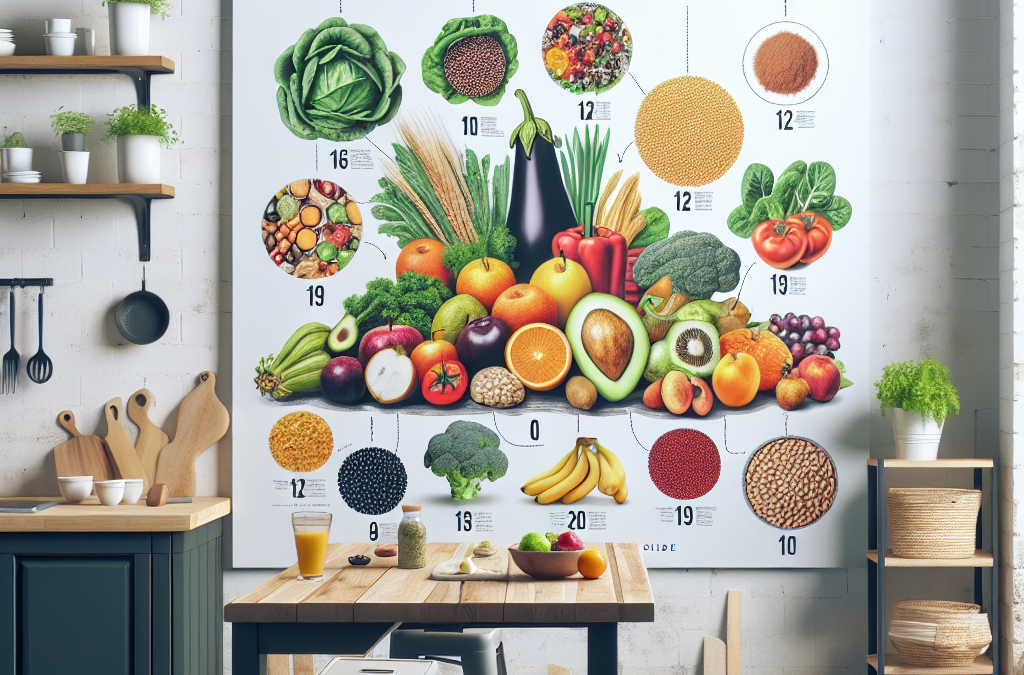
Understanding the specific nutrients that influence mood is crucial. For instance, omega-3 fatty acids, commonly found in fatty fish like salmon, have been linked to reduced depression and anxiety levels. Antioxidant-rich foods such as berries combat oxidative stress, which can negatively affect mental health. Additionally, B vitamins, found in whole grains and leafy greens, play a vital role in neurotransmitter function, impacting mood regulation.
It’s important to recognize common dietary pitfalls that can undermine mood improvement. Many people overlook the impact of processed foods, which can lead to mood swings due to their high sugar and unhealthy fat content. Focusing on a balanced diet rich in whole foods can help maintain stable energy levels and emotional balance.
The Role of Omega-3 Fatty Acids in Mood Enhancement
Omega-3 fatty acids are essential fats that play a critical role in brain health. These fats are found in high concentrations in the brain and are crucial for maintaining the structure and function of brain cells. Studies have shown that individuals who consume higher amounts of omega-3s experience lower rates of depression and anxiety.
To boost your omega-3 intake, consider incorporating fatty fish like salmon, walnuts, and flaxseeds into your meals. These foods not only improve mood but also support overall cognitive function. However, it’s essential to balance omega-3s with omega-6 fatty acids, which are often consumed in excess in the typical diet.
Many people mistakenly believe that all fats are detrimental to health. In reality, healthy fats, particularly omega-3s, are vital for emotional stability. Prioritizing these fats while reducing omega-6 intake from processed foods can lead to better mood regulation.
Antioxidants and Their Impact on Emotional Well-Being
Antioxidants protect the body from oxidative stress, which can negatively impact mental health. Foods rich in antioxidants, such as berries, dark chocolate, and green tea, can help reduce inflammation and improve mood. Research indicates a strong correlation between higher antioxidant intake and lower levels of anxiety and depression.
Incorporating a variety of colorful fruits and vegetables into your diet can enhance your antioxidant intake. Aim for a rainbow of colors on your plate to ensure a broad spectrum of nutrients. Common mistakes include relying too heavily on processed snacks, which often lack these vital compounds.
Many individuals fail to realize that emotional well-being is closely tied to physical health. By prioritizing antioxidant-rich foods, you can not only improve mood but also enhance overall health. A simple shift in dietary choices can yield significant benefits.
The Importance of B Vitamins for Mental Health
B vitamins, particularly B6, B12, and folate, are crucial for the production of neurotransmitters that regulate mood. A deficiency in these vitamins can lead to increased irritability, fatigue, and mood disorders. Foods such as whole grains, legumes, and leafy greens are excellent sources of B vitamins.
To ensure adequate B vitamin intake, consider adding fortified cereals, beans, and spinach to your meals. Many people mistakenly assume they get enough vitamins from their diet, but deficiencies are common, especially in those following restrictive diets. Regularly including B vitamin-rich foods in your meals can help maintain emotional balance.
Moreover, it’s essential to understand the role of these vitamins in stress management. B vitamins help the body cope with stress, making them vital for emotional resilience. By prioritizing these nutrients, you can enhance your ability to handle daily challenges.
Huge Discount on the Best Certified Organic Whole Food Supplement!
Avoiding Processed Foods: The Key to Better Mood
Processed foods can have a detrimental effect on mood due to their high sugar, unhealthy fats, and low nutrient content. These foods can lead to mood swings and increased anxiety levels. Focusing on whole foods can help stabilize blood sugar levels and improve emotional health.
To create a balanced diet, prioritize whole grains, lean proteins, and plenty of fruits and vegetables. Many individuals make the mistake of substituting processed snacks for healthy meals, which can lead to nutrient deficiencies and mood disturbances. Planning meals and snacks ahead of time can mitigate this issue.
Understanding the impact of food choices on mood is vital. By avoiding processed foods, you can improve your mood and energy levels, leading to a healthier lifestyle overall. Small dietary changes can have profound effects on mental health.
Further Reading
Authoritative Sources
- National Institutes of Health
ncbi.nlm.nih.govA reliable source of research and articles on nutrition and mental health
- Harvard Health Publishing
health.harvard.eduProvides insights on the relationship between diet and mental well-being
- World Health Organization
who.intOffers information on mental health and nutrition guidelines
Frequently Asked Questions
Can whole foods really improve mood?
Yes, whole foods provide essential nutrients that support brain health and emotional stability, contributing to improved mood.
What types of whole foods should I focus on?
Focus on foods rich in omega-3s, antioxidants, and B vitamins, such as fatty fish, berries, and leafy greens.
How do processed foods affect mood?
Processed foods can lead to mood swings and increased anxiety due to their high sugar and unhealthy fat content.
Are there specific foods that boost serotonin levels?
Foods rich in tryptophan, such as turkey, eggs, and nuts, can help boost serotonin levels, improving mood.
How quickly can dietary changes affect mood?
While individual responses vary, many people notice improvements in mood within a few weeks of adopting a whole food diet.
Huge Discount on the Best Certified Organic Whole Food Supplement!

