
Understanding the specific nutrients that contribute to digestive repair is vital. For instance, probiotics found in fermented foods like yogurt and kefir help replenish beneficial gut bacteria, while prebiotics from sources such as garlic and onions promote the growth of these bacteria. Additionally, omega-3 fatty acids, found in fatty fish and flaxseeds, have anti-inflammatory effects that can soothe the gut lining.
It’s important to avoid common pitfalls when focusing on digestive repair. Many individuals overlook the significance of hydration and fiber intake, which are crucial for regular bowel movements and overall gut health. Aiming for a balanced diet that includes a variety of whole foods ensures that you receive a spectrum of nutrients necessary for optimal digestion.
The Role of Probiotics in Digestive Health
Probiotics are live microorganisms that provide numerous health benefits, particularly for digestive health. They help maintain a balanced gut microbiome, which is essential for proper digestion and absorption of nutrients. Foods rich in probiotics, such as yogurt, kefir, sauerkraut, and kimchi, can enhance gut health by replenishing beneficial bacteria.
Incorporating probiotics into your diet can be particularly beneficial after a course of antibiotics, which can disrupt gut flora. Regular consumption of probiotic-rich foods can help restore this balance, leading to improved digestion and reduced gastrointestinal discomfort.
However, it’s essential to choose high-quality probiotic sources, as not all fermented foods contain live cultures. Reading labels and opting for products that specify live and active cultures can ensure that you receive the full benefits of probiotics.
Prebiotics: Fuel for Healthy Gut Bacteria
Prebiotics are non-digestible fibers that serve as food for probiotics, promoting their growth and activity in the gut. Foods high in prebiotics include garlic, onions, leeks, asparagus, and bananas. By consuming these foods, you provide the necessary nutrients for beneficial bacteria to thrive.
Incorporating prebiotic foods into your diet can enhance the effectiveness of probiotics, leading to a more robust gut microbiome. This synergy between prebiotics and probiotics is crucial for maintaining digestive health and preventing issues such as bloating and constipation.
Many people underestimate the role of prebiotics in a balanced diet. Prioritizing a variety of prebiotic-rich foods can significantly improve gut health and overall digestion, making it a crucial component of any digestive repair strategy.
Anti-Inflammatory Foods for Gut Repair
Inflammation is a common issue in digestive disorders, making anti-inflammatory foods essential for gut repair. Foods rich in omega-3 fatty acids, such as salmon, walnuts, and chia seeds, can help reduce inflammation and promote healing of the gut lining.
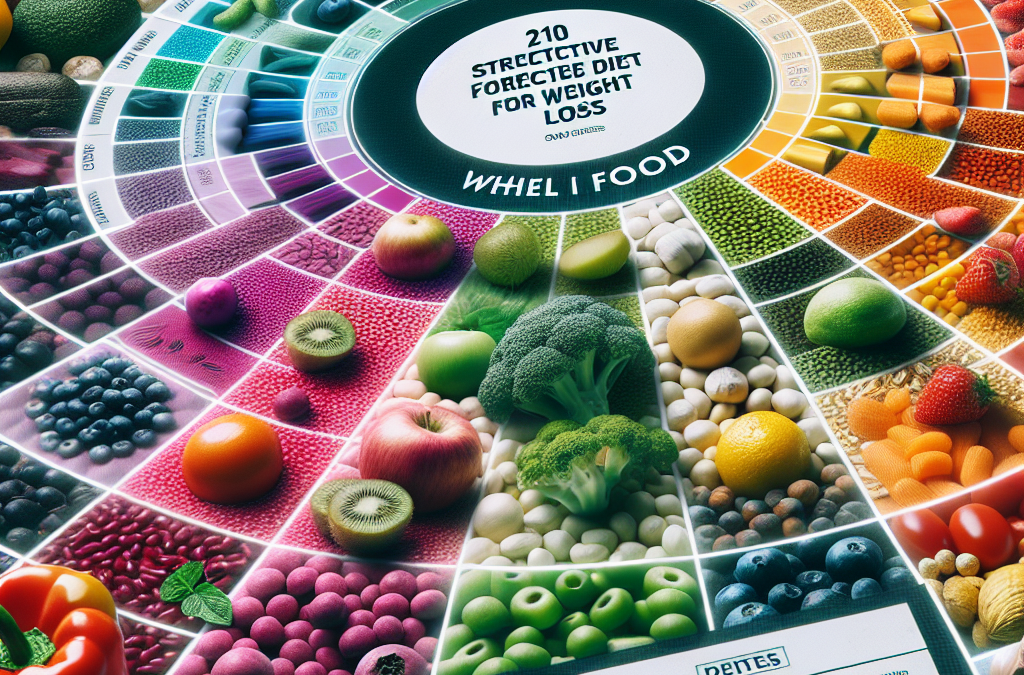
In addition to omega-3s, incorporating a rainbow of fruits and vegetables into your diet provides antioxidants that combat oxidative stress and inflammation. Berries, leafy greens, and cruciferous vegetables like broccoli are excellent choices for supporting digestive health.
It’s also important to limit the intake of processed foods and sugars, which can exacerbate inflammation. Focusing on whole, nutrient-dense foods not only aids in digestive repair but also supports overall health.
Huge Discount on the Best Certified Organic Whole Food Supplement!
Hydration and Its Impact on Digestion
Hydration is often overlooked in discussions about digestive health, yet it plays a crucial role in maintaining proper digestion. Sufficient water intake helps dissolve nutrients and soluble fiber, making them easier to absorb. It also aids in the movement of food through the digestive tract.
Many people fail to drink enough water throughout the day, which can lead to constipation and other digestive issues. Ensuring adequate hydration can improve gut motility and overall digestive function.
To enhance hydration, consider incorporating water-rich foods like cucumbers, oranges, and melons into your diet. These foods not only provide hydration but also deliver essential vitamins and minerals that support digestive health.
Frequently Asked Questions
What are the best whole foods for digestive repair?
The best whole foods include fermented products like yogurt and kimchi, prebiotic-rich foods such as garlic and onions, and anti-inflammatory foods like fatty fish and leafy greens.
How long does it take for whole foods to improve digestion?
Improvements in digestion can often be noticed within a few days to weeks of incorporating whole foods into your diet, depending on individual health conditions.
Can I rely solely on supplements for digestive health?
While supplements can help, whole foods provide a broader range of nutrients and benefits that are essential for optimal digestive health.
What role does fiber play in digestive repair?
Fiber aids in regular bowel movements, supports gut bacteria, and helps maintain a healthy gut lining, making it crucial for digestive repair.
Is it safe to make drastic dietary changes for gut health?
Drastic dietary changes can cause discomfort; it’s advisable to make gradual adjustments and consult a healthcare professional for personalized guidance.
Further Reading
Authoritative Sources
- MedlinePlus
medlineplus.govConsumer-friendly medical and health information from the U.S. National Library of Medicine.
- National Institutes of Health
nih.govResearch-based health information and links to authoritative medical resources.
- Centers for Disease Control and Prevention
cdc.govOfficial public health guidance, prevention resources, and topic-specific recommendations.
- Mayo Clinic
mayoclinic.orgTrusted clinical guidance, symptom explainers, and treatment overviews.
Conclusion
Incorporating whole foods into your diet is a powerful strategy for supporting digestive repair. Focus on a variety of probiotic and prebiotic-rich foods, along with anti-inflammatory options, to create a balanced approach to gut health. Remember to stay hydrated and be mindful of the quality of your food sources. Making these dietary adjustments can lead to significant improvements in your digestive health and overall well-being.
Huge Discount on the Best Certified Organic Whole Food Supplement!

