
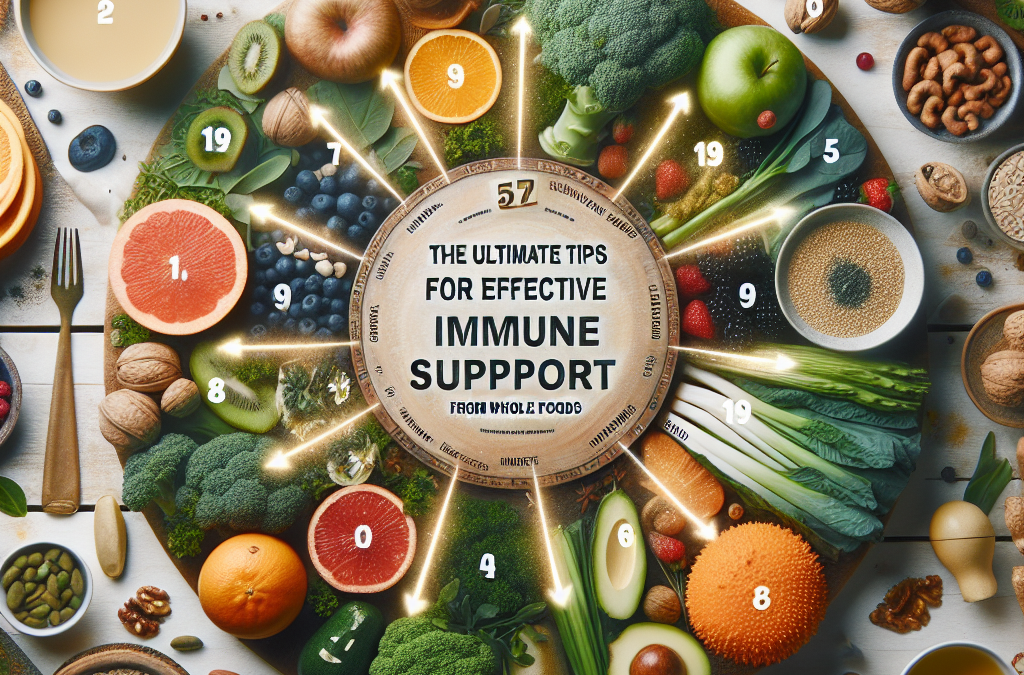
Incorporating whole foods into your diet can lead to better hormone balance, but it’s essential to understand how various foods impact your body. For instance, omega-3 fatty acids found in fatty fish like salmon can mitigate inflammation, which is often a root cause of hormonal imbalance. Additionally, foods high in fiber, such as whole grains and vegetables, can help stabilize blood sugar levels, which is crucial for hormonal regulation.
A common mistake many people make is relying on processed foods that can disrupt hormonal balance due to added sugars and unhealthy fats. Prioritizing whole foods over processed alternatives not only supports hormonal health but also provides a myriad of other health benefits. Understanding the specific nutrients within whole foods that aid in hormone balance can empower individuals to make informed dietary choices.
Key Nutrients That Support Hormone Balance
Several key nutrients play a pivotal role in maintaining hormone balance. These include omega-3 fatty acids, fiber, and antioxidants. Omega-3s, found in fish and flaxseeds, are crucial for reducing inflammation and supporting hormonal functions.
Fiber is essential as it aids digestion and helps regulate blood sugar levels, which can directly impact hormone levels. Antioxidants, present in various fruits and vegetables, combat oxidative stress that can disrupt hormonal balance. Ensuring a diet rich in these nutrients can significantly enhance hormonal health.
For instance, individuals may overlook the importance of antioxidants, thinking that all vegetables provide similar benefits. However, incorporating a diverse range of colorful fruits and vegetables can maximize antioxidant intake and support hormone balance effectively.
Foods to Incorporate for Optimal Hormonal Health
To promote hormonal health, consider incorporating foods such as leafy greens, nuts, seeds, and fatty fish into your diet. Leafy greens like spinach and kale are rich in vitamins and minerals that support hormone production.
Nuts and seeds, particularly flaxseeds and walnuts, provide healthy fats and fiber, which are essential for hormonal balance. Fatty fish like salmon are not only high in omega-3 fatty acids but also provide vitamin D, a nutrient linked to hormone regulation.
Many people might not realize that the quality of food matters significantly. Opting for organic or sustainably sourced options can enhance nutrient density and reduce exposure to harmful chemicals that may disrupt hormonal function.
Common Mistakes in Dietary Choices
A common mistake in achieving hormone balance is relying too heavily on processed foods that are high in sugar and unhealthy fats. These foods can cause insulin spikes and disrupt hormonal health.
Additionally, neglecting to include a variety of whole foods can lead to nutrient deficiencies that impact hormonal functions. Prioritizing a diverse diet that includes a wide range of nutrients is essential for maintaining balance.
Many individuals may also underestimate the impact of hydration on hormonal health. Proper hydration aids in nutrient absorption and can significantly influence hormone functions. Ensuring adequate water intake should be a priority alongside dietary choices.
Huge Discount on the Best Certified Organic Whole Food Supplement!
Real-World Application of Whole Foods
Applying the principles of whole foods to daily life can be straightforward. Meal prepping with whole ingredients can help ensure you have healthy options readily available, reducing the temptation to opt for processed foods.
Incorporating a variety of whole foods into meals can also be enjoyable and creative. For example, creating colorful salads with a mix of leafy greens, nuts, seeds, and lean proteins can provide a nutrient-dense meal that supports hormonal balance.
Moreover, individuals often overlook the importance of timing in their meals. Eating at regular intervals can help stabilize blood sugar levels, which is crucial for hormone regulation. Understanding your body’s needs and responding with whole foods can lead to better health outcomes.
Frequently Asked Questions
What are the best whole foods for hormone balance?
Leafy greens, fatty fish, nuts, seeds, and whole grains are among the best whole foods that support hormone balance.
How do whole foods affect hormonal health?
Whole foods provide essential nutrients that regulate hormonal functions, reduce inflammation, and stabilize blood sugar levels.
Can processed foods disrupt hormone balance?
Yes, processed foods high in sugar and unhealthy fats can lead to insulin spikes and disrupt hormonal health.
How important is hydration for hormone balance?
Hydration is crucial as it aids in nutrient absorption and can significantly influence hormone functions.
What role does meal timing play in hormone balance?
Eating at regular intervals helps stabilize blood sugar levels, which is vital for maintaining hormone balance.
Further Reading
Authoritative Sources
- Library of Congress Research Guides
guides.loc.govResearch guides that help readers locate reliable background sources on a wide range of subjects.
- USA.gov Official Information and Services
usa.govOfficial U.S. government information and public resources for practical reference.
- Google Scholar
scholar.google.comAcademic search resource for finding research literature and source material.
Conclusion
In closing, prioritizing whole foods in your diet can significantly enhance hormone balance. By focusing on nutrient-rich ingredients like leafy greens, fatty fish, nuts, and seeds, you can support your body’s hormonal functions effectively. It’s essential to avoid processed foods that can disrupt hormonal health and to be mindful of hydration and meal timing. Making these dietary adjustments can lead to improved overall health and well-being.
Huge Discount on the Best Certified Organic Whole Food Supplement!

