
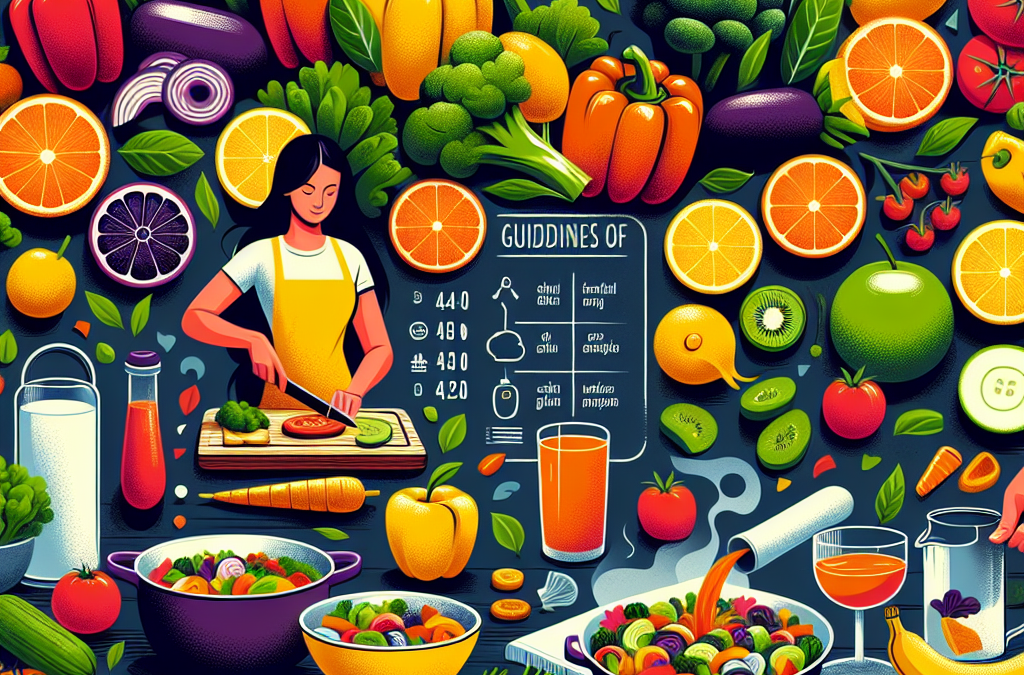
Have you ever noticed that after a meal of whole foods, you feel more satisfied than after a meal filled with processed options? This phenomenon is linked to Why Whole Foods Make You Feel Full Longer. Whole foods, which include fruits, vegetables, whole grains, and lean proteins, are packed with essential nutrients and fiber that contribute to a prolonged sense of fullness. Understanding Why Whole Foods Make You Feel Full Longer can help you make better dietary choices, leading to improved health and wellness.
The key to satiety lies in the composition of whole foods. These foods are not only nutritious but also digest more slowly, keeping hunger at bay for extended periods. This article explores Why Whole Foods Make You Feel Full Longer and provides insights into how to make these foods a staple in your diet. By the end, you’ll have a deeper understanding of the benefits of whole foods and how to incorporate them effectively into your meals.
Understanding Satiety and Whole Foods
What is Satiety?
Satiety refers to the feeling of fullness and satisfaction that occurs after eating. It is influenced by various factors, including the types of foods consumed, portion sizes, and individual metabolic differences. Whole foods play a significant role in enhancing this feeling due to their high fiber and protein content, which slows digestion and stabilizes blood sugar levels.
Why Whole Foods Make You Feel Full Longer
Whole foods are less processed and typically contain more fiber and water, both of which contribute to a greater feeling of fullness. Here are key reasons:
– **High Fiber Content**: Foods rich in fiber take longer to digest, providing a sustained release of energy.
– **Nutrient Density**: Whole foods deliver essential vitamins and minerals, which can reduce cravings and the urge to snack.
– **Lower Energy Density**: These foods often have fewer calories per gram, allowing you to eat larger portions without consuming excessive calories.
The Science Behind Why Whole Foods Make You Feel Full Longer
The Role of Fiber
Research shows that fiber is a crucial component in food that enhances satiety. Foods like oatmeal, beans, and vegetables are high in fiber, which expands in the stomach and slows down digestion. This not only keeps you full but also helps regulate appetite hormones.
Protein’s Impact on Fullness
Protein is another vital nutrient found in whole foods that contributes to feelings of fullness. Studies indicate that meals high in protein can increase satiety hormones while reducing hunger hormones, making you feel satisfied longer. Incorporating sources of protein like chicken, fish, and legumes into your meals can significantly impact how full you feel.
Whole Foods vs. Processed Foods
Comparing whole foods to processed foods reveals stark differences in satiety:
– **Whole Foods**: Nutrient-rich, high in fiber, and promote longer-lasting fullness.
– **Processed Foods**: Often high in sugar and unhealthy fats, leading to quick spikes and drops in blood sugar, followed by increased hunger.
Understanding Why Whole Foods Make You Feel Full Longer highlights the importance of dietary choices in managing hunger and overall well-being.
Practical Tips for Incorporating Whole Foods
Eating whole foods doesn’t have to be complicated. Here are some practical strategies to include them in your diet:
1. **Plan Your Meals**: Set aside time each week to plan meals that include whole foods.
2. **Snack Smart**: Replace processed snacks with fruits, nuts, or yogurt to maintain fullness.
3. **Experiment with Recipes**: Try new whole food recipes that emphasize whole grains, legumes, and seasonal vegetables.
Simple Whole Food Recipes
– **Quinoa Salad**: Combine cooked quinoa with diced vegetables, beans, and a light vinaigrette.
– **Vegetable Stir-Fry**: Use a variety of colorful veggies and lean protein for a filling meal.
– **Overnight Oats**: Mix oats with your choice of nut milk, seeds, and fruits for a satisfying breakfast.
Comparing Whole Foods to Processed Foods
Understanding Why Whole Foods Make You Feel Full Longer is easier when you compare them directly with processed foods. Here’s a quick snapshot:
| Feature | Whole Foods | Processed Foods |
|—————————–|———————————-|——————————–|
| Fiber Content | High | Low |
| Nutritional Value | High (vitamins & minerals) | Low (empty calories) |
| Satiety Level | High | Low |
| Caloric Density | Low | High |
This comparison underscores the importance of choosing whole foods for better satiety and health outcomes.
References and Resources
These resources provide valuable information about Why Whole Foods Make You Feel Full Longer. Check them out for additional insights:
Frequently Asked Questions
What are whole foods and why are they beneficial?
Whole foods are minimally processed foods that retain their natural nutrients. They are beneficial because they provide essential nutrients, fiber, and promote satiety, contributing to overall health and weight management.
Why Whole Foods Make You Feel Full Longer?
Whole foods make you feel full longer due to their high fiber and protein content, which slows digestion and stabilizes blood sugar levels, preventing hunger pangs.
How can I incorporate more whole foods into my diet?
Incorporating more whole foods can be as simple as planning meals ahead, choosing whole food snacks, and trying new recipes that emphasize whole grains, fruits, and vegetables.
How do whole foods compare to processed foods in terms of fullness?
Whole foods tend to be more filling than processed foods due to their higher nutrient density, fiber content, and lower caloric density, which helps to prevent overeating.
What nutrients in whole foods contribute to satiety?
Key nutrients in whole foods that contribute to satiety include fiber, protein, and healthy fats. These nutrients slow digestion and help maintain stable energy levels, reducing hunger.
Further Reading
Authoritative Sources
- Library of Congress Research Guides
guides.loc.govResearch guides that help readers locate reliable background sources on a wide range of subjects.
- USA.gov Official Information and Services
usa.govOfficial U.S. government information and public resources for practical reference.
- Google Scholar
scholar.google.comAcademic search resource for finding research literature and source material.
Conclusion
To wrap up, understanding Why Whole Foods Make You Feel Full Longer is essential for making informed dietary choices that promote health and wellness. Whole foods, packed with fiber, protein, and essential nutrients, not only keep you satisfied but also contribute to better overall health. By prioritizing whole foods in your diet, you can effectively manage hunger and improve your well-being. Consider making small changes today to incorporate more whole foods into your meals, leading to a healthier and more satisfying lifestyle.

Huge Discount on the Best Certified Organic Whole Food Supplement!

