The Best Whole Foods for Energy After 40
As we cross the milestone of 40 years, our bodies undergo various changes that can affect our energy levels. If you’re wondering about The Best Whole Foods for Energy After 40, you’re not alone. Many individuals seek ways to maintain vitality and energy as they age. Understanding which foods can provide sustained energy is crucial not just for physical health but also for mental and emotional well-being.
The good news is that there are specific whole foods that can boost your energy levels significantly. In this article, we’ll reveal The Best Whole Foods for Energy After 40 that can help you feel more vibrant and capable of tackling daily challenges. From nutrient-dense vegetables to protein-rich options, let’s explore the key players in this energy-boosting lineup.
Understanding Energy Needs After 40
As people age, their metabolism can slow down, and the body’s requirements for nutrients may shift. This makes it essential to pay attention to the types of foods consumed. Here are some key points regarding energy needs after 40:
1. Metabolism Changes: The basal metabolic rate (BMR) tends to decline, which affects energy levels. A focus on whole foods that are nutrient-dense can help mitigate this decline.
2. Muscle Mass: Aging often leads to a decrease in muscle mass, which affects energy expenditure. Consuming adequate protein is vital for maintaining muscle health.
3. Hormonal Fluctuations: Hormonal changes during this period can affect energy levels. Foods rich in phytonutrients can support hormonal balance.
4. Hydration: With age, the sense of thirst may diminish, leading to potential dehydration, which can further reduce energy levels. Incorporating water-rich foods can aid hydration.
By understanding these changes, you can make informed choices about The Best Whole Foods for Energy After 40.
The Best Whole Foods for Energy After 40
When it comes to boosting energy levels, certain whole foods stand out. Below, we’ll delve into some of the best options available:
1. Leafy Greens
Spinach, kale, and Swiss chard are packed with iron, vitamins A, C, and K, and antioxidants. These nutrients work together to enhance blood flow and oxygen transport, resulting in increased energy levels. Incorporating leafy greens into your meals can give you a natural energy boost that lasts.
2. Whole Grains
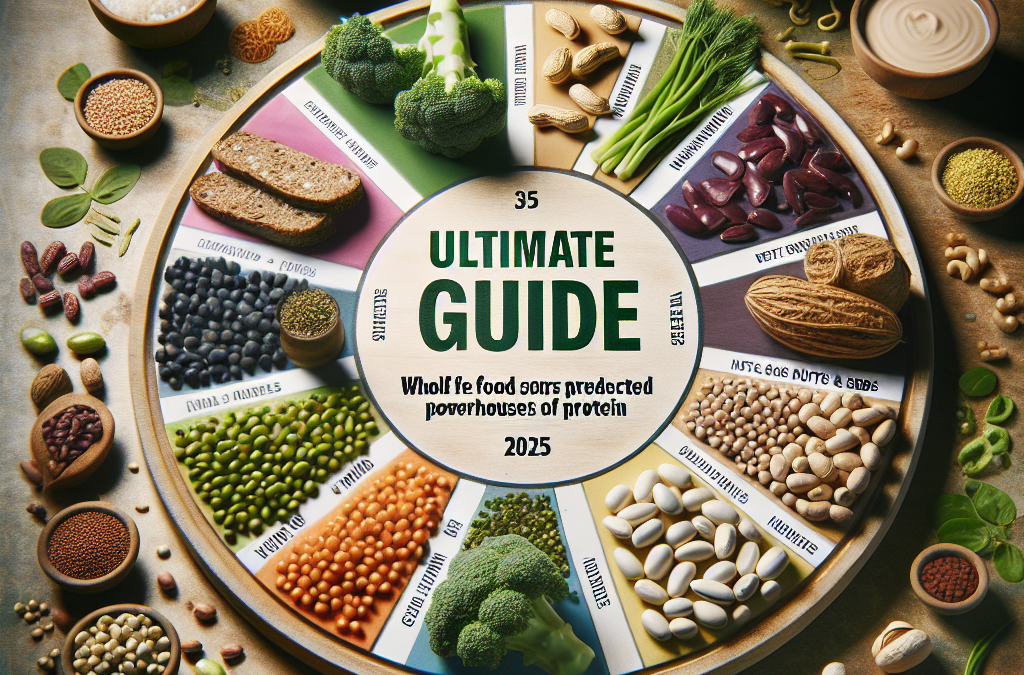
Whole grains such as quinoa, brown rice, and oats are excellent sources of complex carbohydrates. Unlike refined grains, they release energy slowly, providing a sustained energy source. Here’s a quick look at how these grains can help:
– Quinoa: A complete protein with all nine essential amino acids.
– Brown Rice: High in fiber, which aids digestion and energy levels.
– Oats: Rich in beta-glucans, which can improve heart health and energy.
Including these whole grains in your daily diet can significantly contribute to your energy levels.
3. Nut and Seed Variety
Nuts and seeds, such as almonds, walnuts, chia seeds, and flaxseeds, are great sources of healthy fats and protein. Their nutrient profile helps in maintaining energy and satiety. For instance:
– Almonds: A good source of magnesium, which helps convert food into energy.
– Chia Seeds: Packed with omega-3 fatty acids and fiber, promoting digestion and sustained energy.
Incorporating a handful of nuts or seeds into your snacks can help keep your energy stable throughout the day.
4. Lean Proteins
Lean proteins such as chicken, turkey, fish, and legumes are crucial for muscle maintenance and energy production. They help repair tissues and boost metabolism. For example:
– Salmon: Rich in omega-3 fatty acids, which support heart health and energy levels.
– Lentils: High in protein and fiber, aiding in sustained energy release.
Including a source of lean protein in each meal can help optimize energy levels and overall health.
Incorporating Whole Foods into Your Diet
Adjusting your diet to include The Best Whole Foods for Energy After 40 doesn’t have to be complicated. Here are some strategies to integrate these foods seamlessly into your daily routine:
1. Meal Prep: Spend a few hours on the weekend preparing meals for the week. This allows you to have healthy options readily available without the stress of daily cooking.
2. Snack Wisely: Replace processed snacks with whole food alternatives like nuts, fruits, or yogurt. This can enhance energy levels and promote better health.
3. Experiment with Recipes: Try incorporating leafy greens into smoothies or using whole grains as a base for salads. Get creative to make meals exciting.
4. Stay Hydrated: Include hydrating whole foods like cucumbers, watermelon, and oranges to ensure you’re meeting your hydration needs.
By embracing these strategies, you can create a vibrant, energy-boosting diet that supports your health after 40.
References and Resources
These resources provide valuable information about The Best Whole Foods for Energy After 40. Check them out for additional insights:
Frequently Asked Questions
What are the benefits of whole foods for energy after 40?
Whole foods provide essential nutrients that help maintain energy levels, improve digestion, and support overall health. They are less processed, which means they retain more vitamins, minerals, and fiber, all of which are crucial for energy production and metabolism.
How can I include The Best Whole Foods for Energy After 40 in my diet?
Incorporating these foods can be as simple as adding leafy greens to salads, choosing whole grains over refined options, and snacking on nuts and seeds. Meal prepping can also help ensure that healthy options are always available.
Are there specific whole foods that boost energy levels?
Yes, foods like quinoa, spinach, almonds, and salmon are known for their energy-boosting properties. They provide a balance of complex carbohydrates, healthy fats, and proteins that help sustain energy levels throughout the day.
How important is hydration in relation to energy levels after 40?
Hydration plays a vital role in maintaining energy levels. Dehydration can lead to fatigue and decreased cognitive function. Consuming water-rich foods and adequate fluids is essential for optimal energy.
What role do whole foods play in preventing fatigue?
Whole foods are packed with nutrients that support metabolic processes and energy production. They help prevent blood sugar spikes and crashes, which are often responsible for feelings of fatigue.
Further Reading
Authoritative Sources
Conclusion
To wrap up, understanding The Best Whole Foods for Energy After 40 is essential for maintaining vitality and energy as we navigate through life beyond 40. By incorporating nutrient-dense options like leafy greens, whole grains, lean proteins, and healthy fats, individuals can support their energy needs effectively.
Prioritize these foods in your diet, and you may find a significant improvement in your energy levels and overall well-being. Remember, it’s never too late to make healthier choices, and the right foods can empower you to live your life to the fullest. Take these actionable insights and start transforming your diet today!

Huge Discount on the Best Certified Organic Whole Food Supplement!