
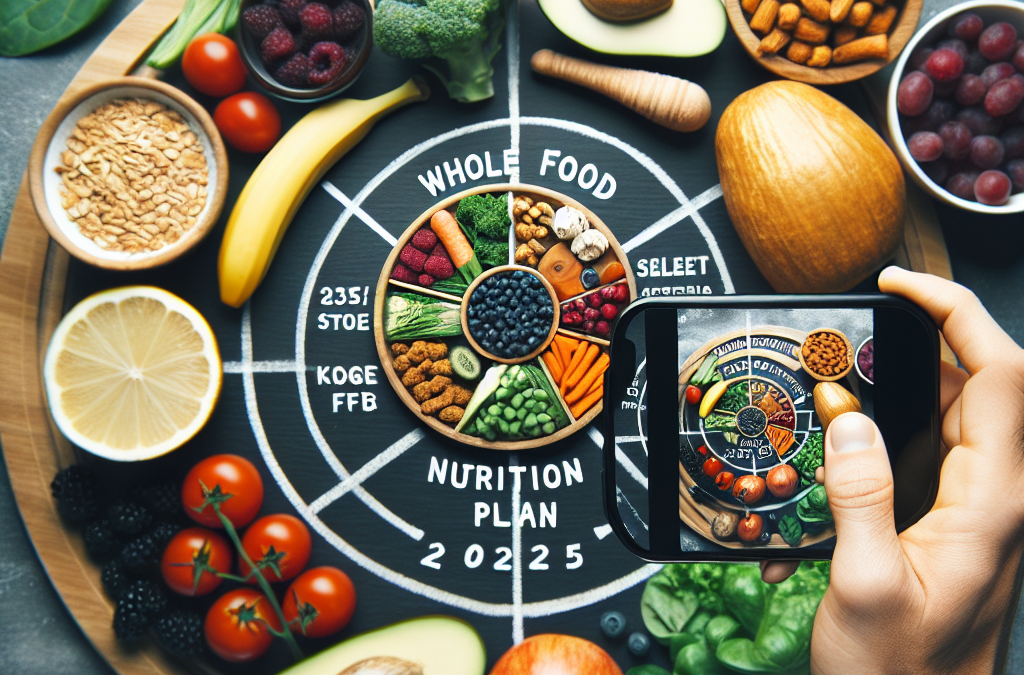
Eating a heart-healthy diet is essential for maintaining optimal cholesterol levels, and one of the most effective ways to achieve this is through whole foods. But how do whole foods help lower cholesterol naturally? Research indicates that incorporating nutrient-dense ingredients into your meals can significantly impact your heart health. By focusing on whole, unprocessed foods, you can lower your cholesterol levels without relying on medications.
When you understand how whole foods help lower cholesterol naturally, you can take actionable steps towards a healthier lifestyle. You’re about to discover the science behind dietary choices and provide practical strategies for incorporating whole foods into your daily routine.
Understanding Cholesterol and Its Impact
Cholesterol is a waxy substance found in your blood that is essential for building healthy cells. However, too much cholesterol can lead to serious health issues, including heart disease and stroke. It’s crucial to distinguish between the different types of cholesterol: LDL (low-density lipoprotein) and HDL (high-density lipoprotein). LDL is often referred to as “bad” cholesterol, while HDL is considered “good” cholesterol because it helps remove other forms of cholesterol from your bloodstream.
Research shows that lifestyle choices, particularly diet, play a significant role in cholesterol levels. This brings us back to the question: how do whole foods help lower cholesterol naturally? Whole foods, rich in fiber, antioxidants, and healthy fats, can help improve your lipid profile, making them a vital component of heart health.
How Whole Foods Help Lower Cholesterol Naturally
One of the primary ways How Whole Foods Help Lower Cholesterol Naturally is by providing soluble fiber. Foods like oats, beans, lentils, and fruits can bind cholesterol in the digestive system, leading to its excretion rather than absorption.
### The Role of Fiber
– Soluble Fiber: This type of fiber dissolves in water and can help reduce the absorption of cholesterol into your bloodstream. Foods high in soluble fiber include:
– Oats
– Barley
– Nuts
– Beans
– Apples
– Insoluble Fiber: While it does not directly lower cholesterol, it aids in digestion and promotes overall gut health, indirectly supporting heart health.
### Healthy Fats
In addition, incorporating healthy fats from sources like avocados, nuts, and fatty fish can help improve your cholesterol levels. Omega-3 fatty acids, commonly found in fish like salmon and mackerel, can increase HDL cholesterol and lower triglycerides.
When you consider how whole foods help lower cholesterol naturally, it’s clear that a balanced diet emphasizing these foods can lead to substantial health benefits.
Key Whole Foods for Heart Health
To effectively lower cholesterol levels, it’s crucial to focus on specific whole foods. Here are some key players in the fight against high cholesterol:
1. Oats: Rich in beta-glucan, a type of soluble fiber, oats can help lower LDL cholesterol.
2. Nuts: Almonds and walnuts are particularly effective at improving heart health due to their high content of unsaturated fats.
3. Berries: Blueberries and strawberries are packed with antioxidants and fiber, both of which support heart health.
4. Legumes: Beans, lentils, and chickpeas are excellent sources of protein and fiber, making them ideal for a cholesterol-lowering diet.
5. Olive Oil: Extra virgin olive oil is rich in monounsaturated fats and antioxidants that can help reduce LDL cholesterol levels.
By integrating these whole foods into your diet, you can create meals that not only taste great but also contribute to lowering cholesterol naturally.
Practical Tips for Incorporating Whole Foods
To reap the benefits of whole foods, consider these practical tips:
– Start Your Day with Oatmeal: A bowl of oatmeal topped with fruits and nuts can kickstart your day while promoting heart health.
– Snack on Nuts: Replace unhealthy snacks with a handful of nuts. They make for a nutritious and satisfying option.
– Add Legumes to Meals: Incorporate beans or lentils into soups, salads, or as side dishes to boost fiber intake.
– Choose Whole Grains: Opt for whole-grain bread, pasta, and rice instead of refined options to enhance your fiber consumption.
– Experiment with Healthy Fats: Use olive oil for cooking or dressings instead of butter or margarine.
By implementing these strategies, you can effectively leverage How Whole Foods Help Lower Cholesterol Naturally to improve your overall health.
References and Resources
These resources provide valuable information about How Whole Foods Help Lower Cholesterol Naturally. Check them out for additional insights:
Frequently Asked Questions
How do whole foods help lower cholesterol naturally?
Whole foods are rich in fiber, healthy fats, and antioxidants, all of which contribute to improved cholesterol levels. Foods like oats, nuts, and legumes can help reduce LDL cholesterol and promote heart health.
What types of whole foods should I include in my diet?
Focus on incorporating whole grains, fruits, vegetables, nuts, seeds, and legumes into your diet. Foods like oats, beans, avocados, and berries are particularly beneficial for lowering cholesterol.
Can I lower cholesterol without medication?
Yes, many people can effectively lower their cholesterol levels through dietary changes and lifestyle modifications, such as incorporating whole foods into their diet and increasing physical activity.
How long does it take to see results from dietary changes?
While individual results may vary, many people report improvements in cholesterol levels within a few weeks to a few months after making significant dietary changes.
What are some practical tips for incorporating whole foods into my diet?
Start by adding more fruits and vegetables to your meals, choosing whole grains over refined options, and snacking on nuts instead of processed snacks. Meal prepping can also help you stay on track.
Further Reading
Authoritative Sources
- NIH Office of Dietary Supplements
ods.od.nih.govEvidence-based information on vitamins, minerals, supplements, and nutrition-related questions.
- USDA FoodData Central
fdc.nal.usda.govUSDA nutrient data for foods and ingredients used in nutrition decisions.
- Harvard T.H. Chan School of Public Health Nutrition Source
hsph.harvard.eduPublic health nutrition guidance and educational resources.
Conclusion
To wrap up, understanding How Whole Foods Help Lower Cholesterol Naturally can empower you to make informed dietary choices that positively impact your heart health. By incorporating nutrient-dense foods like oats, nuts, and legumes, you can effectively manage your cholesterol levels.
Take the first step towards a healthier lifestyle by making small changes to your diet today. Embrace whole foods as part of your daily routine, and watch how they transform your heart health for the better. The journey to lower cholesterol is not just about restriction; it’s about nourishing your body with wholesome, delicious foods.
Huge Discount on the Best Certified Organic Whole Food Supplement!

