
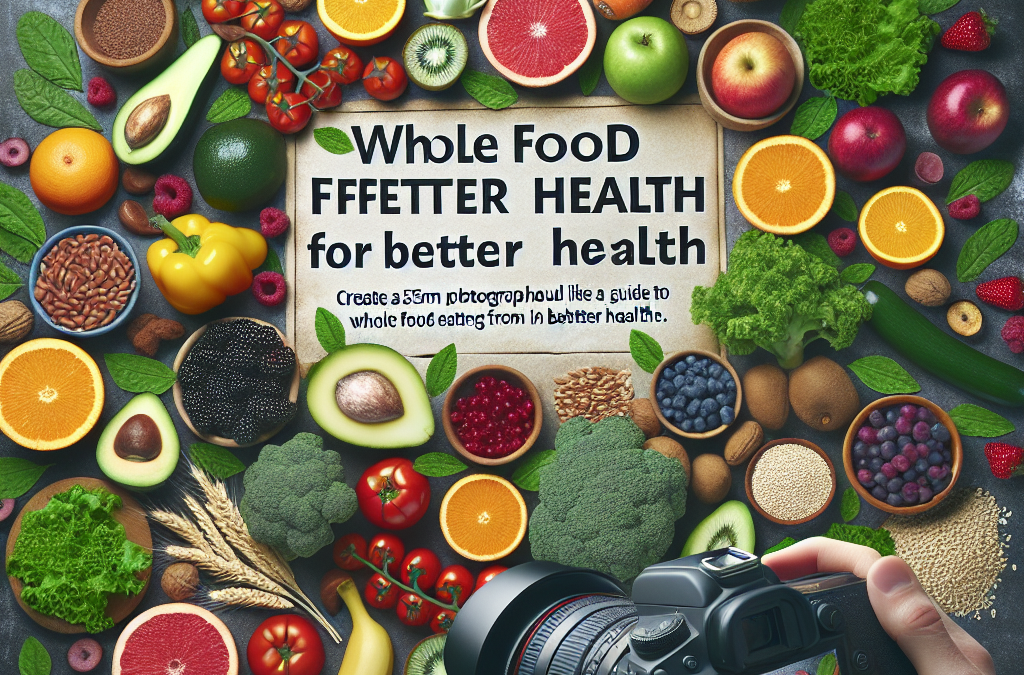
Incorporating a variety of whole foods into your diet is crucial. Foods such as fruits, vegetables, whole grains, nuts, and fatty fish are rich in the nutrients that contribute to heart health. For instance, omega-3 fatty acids, found in fish like salmon and walnuts, are known to help lower triglyceride levels and reduce the risk of arrhythmias. Similarly, soluble fiber from oats and beans can help lower LDL cholesterol, which is often referred to as the ‘bad’ cholesterol.
Many individuals overlook the importance of whole foods in their diets, often favoring processed options instead. This can lead to a deficiency in vital nutrients necessary for cardiovascular health. Prioritizing whole foods over processed ones not only aids in maintaining a healthy weight but also ensures that the body receives the essential vitamins and minerals needed to support heart function.
The Role of Omega-3 Fatty Acids
Omega-3 fatty acids play a critical role in cardiovascular health. They are known for their anti-inflammatory properties and ability to lower triglyceride levels, which are linked to heart disease. Incorporating sources of omega-3s, such as fatty fish, flaxseeds, and walnuts, into your diet can significantly reduce the risk of heart-related issues.
Many people do not consume enough omega-3 fatty acids, primarily due to a lack of fish in their diets. This can lead to an imbalance in omega-3 to omega-6 fatty acids, which can promote inflammation. To mitigate this risk, aim to include omega-3-rich foods in your meals at least twice a week.
Furthermore, the source of omega-3s matters. Fatty fish, such as salmon and mackerel, provide a more bioavailable form of omega-3s compared to plant sources. Therefore, prioritizing these fish can offer better cardiovascular benefits.
Importance of Dietary Fiber
Dietary fiber is essential for maintaining healthy cholesterol levels and promoting heart health. Soluble fiber, found in oats, beans, and fruits, helps lower LDL cholesterol, while insoluble fiber supports digestive health.
Many individuals do not meet their daily fiber intake, which can lead to various health issues, including heart disease. To address this, consider incorporating high-fiber foods into each meal, such as adding beans to salads or choosing whole grain options over refined grains.
It’s important to gradually increase fiber intake to avoid digestive discomfort. Additionally, pairing fiber-rich foods with plenty of water can help ensure proper digestion and absorption of nutrients.
Antioxidants and Heart Health
Antioxidants, found abundantly in fruits and vegetables, play a vital role in protecting the heart by reducing oxidative stress and inflammation. Berries, dark chocolate, and green leafy vegetables are excellent sources of antioxidants.
In today’s fast-paced world, many people consume diets low in fruits and vegetables, missing out on the protective benefits of antioxidants. To counter this, aim to fill half your plate with colorful fruits and vegetables at every meal. This not only enhances flavor but also boosts the antioxidant content of your diet.
Huge Discount on the Best Certified Organic Whole Food Supplement!
Moreover, the variety of antioxidants matters; different types provide different health benefits. Therefore, rotating your fruit and vegetable choices can maximize the range of antioxidants you consume.
Vitamins Essential for Cardiovascular Health
Vitamins such as B6, B12, and folate are essential for cardiovascular health as they help regulate homocysteine levels, an amino acid that can damage blood vessels when elevated. Additionally, vitamin D and vitamin E have also been linked to heart health.
Many individuals may not be aware of their vitamin levels, leading to deficiencies that can adversely affect heart health. Regular check-ups and blood tests can help monitor vitamin levels, allowing for dietary adjustments or supplementation when necessary.
Choosing whole food sources of these vitamins is crucial. Foods like leafy greens, legumes, and fortified cereals can provide the necessary vitamins without the risk of excessive intake that can occur with supplements.
Frequently Asked Questions
What whole foods are best for heart health?
Foods rich in omega-3 fatty acids, fiber, antioxidants, and essential vitamins, such as fatty fish, fruits, vegetables, whole grains, and nuts are best for heart health.
How often should I eat omega-3 rich foods?
Aim to consume omega-3 rich foods at least twice a week to support cardiovascular health effectively.
Can dietary fiber lower cholesterol?
Yes, soluble fiber can help lower LDL cholesterol levels, contributing to better heart health.
What are the signs of vitamin deficiency affecting heart health?
Signs may include fatigue, weakness, and elevated homocysteine levels, which can indicate the need for dietary adjustments or supplementation.
How can I increase my antioxidant intake?
Incorporate a variety of colorful fruits and vegetables into your meals to boost antioxidant levels effectively.
Further Reading
Authoritative Sources
Conclusion
Incorporating whole foods into your diet is essential for supporting cardiovascular health. Focus on nutrient-dense options such as omega-3 fatty acids, dietary fiber, antioxidants, and essential vitamins. By prioritizing these foods, you can significantly reduce the risk of heart disease and enhance overall well-being. Regularly assess your dietary habits, make adjustments as needed, and consult with healthcare professionals to ensure you are meeting your nutritional needs for optimal heart health.
Huge Discount on the Best Certified Organic Whole Food Supplement!

