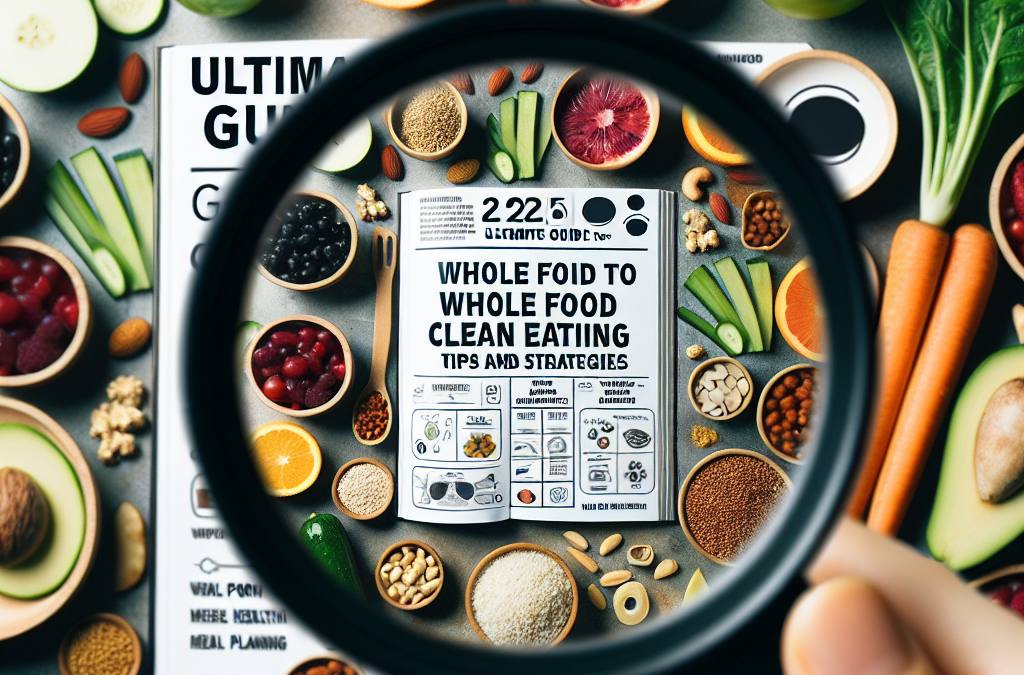
Whole foods are integral to effectively managing hunger hormones, which can significantly influence our appetite and eating behaviors. By focusing on nutrient-dense options, individuals can harness the body’s natural regulatory mechanisms, leading to healthier eating patterns and improved weight management. Whole foods—such as fruits, vegetables, whole grains, nuts, and lean proteins—are not only nourishing but also work synergistically to keep hunger at bay.
Many people struggle with appetite control due to processed foods that disrupt hormonal balance. For instance, refined sugars and unhealthy fats can cause spikes in insulin and other hormones that lead to increased hunger and cravings. Understanding these dynamics is crucial for anyone aiming to take charge of their diet and overall health. Prioritizing whole foods can mitigate these issues by providing a more stable and satisfying nutritional profile.
The Science Behind Hunger Hormones
Hunger hormones, such as ghrelin and leptin, play a pivotal role in signaling satiety and appetite. Ghrelin, often dubbed the ‘hunger hormone,’ stimulates appetite and is produced in the stomach when it is empty. Conversely, leptin, produced by fat cells, signals fullness to the brain. A diet high in whole foods can help regulate these hormones by promoting a balanced intake of macronutrients and enhancing metabolic health.
When individuals consume a diet rich in whole foods, they are more likely to maintain stable blood sugar levels, which is crucial for hormone regulation. Fluctuations in blood sugar can lead to increased ghrelin levels, triggering hunger. By stabilizing blood sugar through whole, unprocessed foods, individuals can experience a decrease in hunger pangs and cravings.
Key Whole Foods for Hormonal Balance
Incorporating specific whole foods can greatly assist in managing hunger hormones effectively. Foods rich in fiber, protein, and healthy fats are particularly beneficial:
- Fruits and Vegetables: High in fiber and low in calories, these foods promote satiety and provide essential vitamins and minerals.
- Whole Grains: Foods like quinoa, brown rice, and oats are fiber-rich and help maintain steady blood sugar levels.
- Nuts and Seeds: These are excellent sources of healthy fats and protein, which can enhance feelings of fullness.
- Lean Proteins: Sources like chicken, fish, and legumes are crucial for balancing hormones and promoting satiety.
While these foods are beneficial, it’s essential to note that portion sizes still matter. Overeating even healthy foods can lead to unwanted weight gain and hormonal imbalances.
Practical Strategies for Incorporating Whole Foods
To effectively manage hunger hormones, consider practical strategies for incorporating whole foods into your daily routine. Meal planning is critical; preparing meals ahead of time ensures that whole foods are readily available, which can prevent impulsive eating of processed options.
Additionally, aim to fill half your plate with vegetables at each meal. This simple tactic not only increases nutrient intake but also helps in managing hunger levels. Snacking on whole foods, such as fruits or nuts, can also keep hunger at bay between meals.
Common Pitfalls and Misconceptions
Despite the benefits of whole foods, some common misconceptions can lead individuals astray. A prevalent myth is that all whole foods are inherently low-calorie. While whole foods are nutrient-dense, they can still contribute to caloric intake, particularly when consumed in large quantities.
Huge Discount on the Best Certified Organic Whole Food Supplement!
Another mistake is assuming that simply eating whole foods will automatically lead to weight loss. Hormonal balance is complex, and factors such as stress, sleep, and overall lifestyle also play significant roles in hunger regulation. Therefore, a holistic approach that includes whole foods, along with mindful eating practices and lifestyle adjustments, is essential for effective hunger management.
Frequently Asked Questions
What are hunger hormones?
Hunger hormones, including ghrelin and leptin, regulate appetite and satiety, influencing when we feel hungry or full.
How do whole foods affect hunger hormones?
Whole foods help stabilize blood sugar levels and provide essential nutrients, which can balance hunger hormones and reduce cravings.
Can I lose weight by just eating whole foods?
While whole foods are beneficial, weight loss also depends on overall caloric intake, lifestyle factors, and hormonal balance.
What types of whole foods should I prioritize?
Focus on a variety of fruits, vegetables, whole grains, lean proteins, and healthy fats to support hormone regulation and satiety.
Are there any risks associated with a whole food diet?
While generally safe, overconsumption of any food can lead to weight gain; balance and portion control are essential.
Further Reading
Authoritative Sources
Conclusion
Understanding the relationship between whole foods and hunger hormones is crucial for anyone looking to improve their eating habits and manage their appetite effectively. Prioritizing a diet rich in whole foods not only supports hormonal balance but also enhances overall well-being. Focus on incorporating a variety of nutrient-dense foods into your meals, practice mindful eating, and remember that balance is key. Adopting these strategies will empower you to take control of your hunger and cultivate a healthier lifestyle.
Huge Discount on the Best Certified Organic Whole Food Supplement!