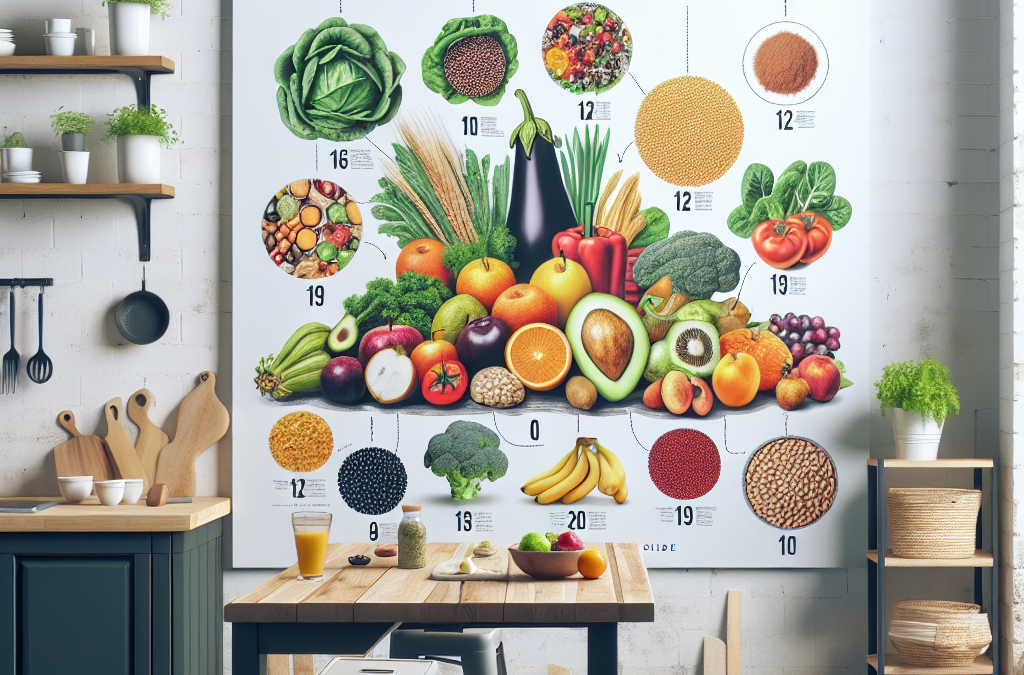
Whole foods are pivotal in achieving sustainable weight loss due to their nutrient-rich profiles and ability to promote fullness. Unlike processed foods, which often lead to overeating and unhealthy weight gain, whole foods such as fruits, vegetables, whole grains, and lean proteins offer essential vitamins, minerals, and fiber that enhance overall health. This means that when you prioritize whole foods, you’re not just focusing on losing weight; you’re also investing in your long-term health.
Many individuals struggle with weight loss because they rely on calorie restriction or fad diets that are not sustainable. These approaches often fail because they don’t address the underlying issues of hunger, nutrient deficiencies, and metabolic health. Whole foods provide a balanced approach, allowing for satisfying meals that nourish the body while promoting a healthy weight. The key is to focus on quality over quantity, ensuring that the foods you consume are rich in nutrients and low in empty calories.
Understanding Whole Foods
Whole foods are minimally processed and free from artificial ingredients, preservatives, and added sugars. This category includes fresh fruits, vegetables, legumes, nuts, seeds, whole grains, and unprocessed meats. The significance of these foods lies in their ability to provide high levels of fiber, which is essential for digestive health and satiety. Eating a diet rich in whole foods can help stabilize blood sugar levels, reduce cravings, and support a healthy metabolism.
Incorporating whole foods into your diet isn’t just about eliminating processed options; it’s about making conscious choices that enhance your meals. For example, swapping out white bread for whole grain or choosing fresh fruits over sugary snacks can make a significant difference in your overall nutrient intake. The challenge lies in consistently prioritizing these foods amidst a landscape filled with convenient yet unhealthy options.
The Role of Nutrients in Weight Loss
Nutrients such as protein, fiber, healthy fats, vitamins, and minerals play critical roles in weight loss. Protein helps build and repair tissues while also promoting a feeling of fullness, which can prevent overeating. Fiber, found abundantly in fruits, vegetables, and whole grains, aids digestion and helps regulate blood sugar levels, making it easier to maintain a healthy weight.
Understanding nutrient density is essential. Foods high in nutrients but lower in calories, like leafy greens and berries, can keep you full without the extra calories associated with processed foods. Prioritizing these options can lead to better weight management outcomes, as they support the body’s needs without the risk of excess caloric intake.
Common Pitfalls in Dieting
Many dieters fall into traps such as eliminating entire food groups or relying on low-calorie processed foods that lack essential nutrients. These strategies can lead to nutritional deficiencies and rebound weight gain. For instance, low-fat diets often substitute healthy fats with sugars and fillers, compromising both health and satiety.
Recognizing these pitfalls is crucial for sustainable weight loss. Instead of drastic cuts, consider gradual changes that incorporate whole foods into your meals. This might mean preparing home-cooked meals, experimenting with new recipes, or finding healthier alternatives to your favorite snacks. The goal is to create a balanced approach that you can maintain over the long term.
Practical Strategies for Incorporating Whole Foods
To effectively incorporate whole foods into your diet, start by planning your meals around these nutrient-dense options. Create a weekly menu that highlights seasonal fruits and vegetables, whole grains, and lean proteins. Shopping at local farmers’ markets can also provide fresh produce while supporting local agriculture.
Huge Discount on the Best Certified Organic Whole Food Supplement!
Additionally, consider batch cooking and meal prepping to make whole foods more accessible during busy weeks. This not only saves time but also reduces the temptation to opt for processed foods. Simple strategies like keeping healthy snacks on hand, such as cut veggies or nuts, can help you stay on track.
Further Reading
Authoritative Sources
- ChooseMyPlate.gov
choosemyplate.govThis resource offers practical information on how to create a balanced diet using whole foods
- Academy of Nutrition and Dietetics
eatright.orgA comprehensive guide that provides insights into nutrition and healthy eating habits
Frequently Asked Questions
What are whole foods?
Whole foods are natural, unprocessed foods that are free from artificial additives, such as fruits, vegetables, whole grains, nuts, and seeds.
How do whole foods aid in weight loss?
Whole foods are nutrient-dense, providing essential vitamins and minerals while promoting satiety, which helps reduce overall caloric intake.
Can I lose weight by only eating whole foods?
While whole foods can support weight loss, achieving a healthy weight also requires balanced caloric intake and physical activity.
What are some examples of whole foods?
Examples include fresh fruits, vegetables, legumes, whole grains, nuts, seeds, and unprocessed meats.
How can I start incorporating more whole foods into my diet?
Begin by planning meals around whole foods, shopping at local markets, and preparing meals ahead of time to avoid processed options.
Conclusion
Incorporating whole foods into your diet is a powerful strategy for achieving sustainable weight loss. By focusing on nutrient-dense options, you can enhance your overall health while mitigating cravings and improving satiety. Prioritize fresh fruits, vegetables, whole grains, and lean proteins in your meals, and be mindful of the common pitfalls that can derail your progress. The journey to sustainable weight loss is not just about what you eat but also about making informed choices that support your long-term well-being.
Huge Discount on the Best Certified Organic Whole Food Supplement!