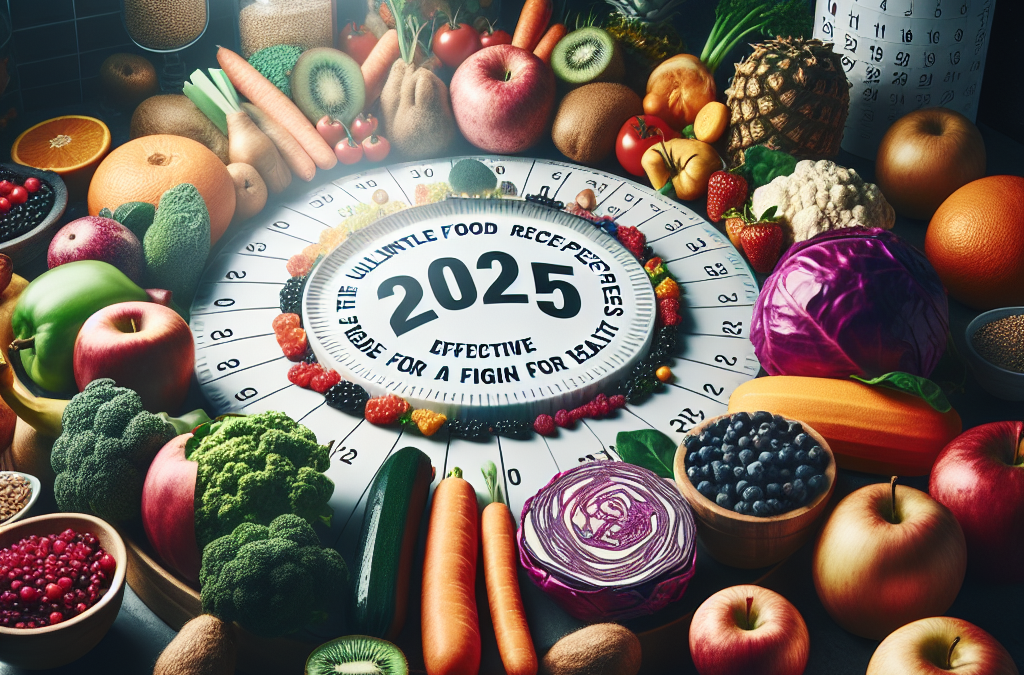
Whole foods can significantly enhance cardiovascular wellness through their rich nutrient profiles. These foods, which include fresh fruits, vegetables, whole grains, nuts, and seeds, are packed with vitamins, minerals, and antioxidants that promote heart health. By shifting towards a diet rich in whole foods, you can help lower cholesterol levels, maintain healthy blood pressure, and reduce the risk of heart disease.
However, many individuals face challenges when transitioning to a whole foods diet. Common misconceptions include the belief that it requires extensive meal prep or that it is expensive. In reality, whole foods can often be more affordable, especially when purchased in bulk or seasonally. Prioritizing which foods to incorporate first can make the transition smoother and more sustainable.
Nutrient-Rich Foods for Heart Health
Incorporating a variety of nutrient-dense foods is crucial for heart health. Foods high in omega-3 fatty acids, such as fatty fish, flaxseeds, and walnuts, help reduce inflammation and lower triglyceride levels. Additionally, fruits and vegetables rich in potassium, such as bananas and spinach, can help regulate blood pressure.
When selecting foods, it’s essential to prioritize organic options when possible, as they typically contain fewer pesticides and other harmful chemicals. However, if organic isn’t feasible, focus on consuming a diverse array of colorful fruits and vegetables to ensure a wide range of nutrients. Aim to fill half your plate with fruits and vegetables at every meal.
Common Pitfalls in Adopting Whole Foods
Transitioning to a whole foods diet is not without its challenges. Many people underestimate the importance of planning and may find themselves reverting to processed foods due to convenience. Additionally, some may mistakenly believe that all whole foods are inherently healthy, overlooking the importance of portion control.
To avoid these pitfalls, consider meal prepping for the week ahead or creating a shopping list to stay focused. It’s also helpful to educate yourself on serving sizes and nutritional content to ensure you’re making informed choices. Remember, balance is key; it’s okay to enjoy occasional treats while prioritizing whole foods.
Building a Sustainable Whole Foods Pantry
A well-stocked pantry is essential for maintaining a whole foods diet. Focus on incorporating staples like whole grains, legumes, nuts, and seeds. These foods not only provide essential nutrients but also serve as the foundation for a variety of meals.
When stocking your pantry, prioritize versatility. For example, quinoa can be used in salads, bowls, or as a side dish. Similarly, canned beans can be added to soups, stews, or salads for a protein boost. By keeping a variety of ingredients on hand, you can easily whip up healthy meals without the need for extensive planning.
Real-World Strategies for Heart Health
Adopting a heart-healthy diet doesn’t have to be overwhelming. Start by making small, manageable changes, such as replacing white bread with whole grain options or incorporating a plant-based meal into your weekly menu. Gradually increasing your intake of fruits and vegetables can also make a significant difference.
Consider setting specific, achievable goals, like aiming for five servings of fruits and vegetables daily or reducing processed food consumption to once a week. Tracking your progress can help maintain motivation and accountability. Remember, the journey to better heart health is a marathon, not a sprint. Celebrate small victories along the way.
Huge Discount on the Best Certified Organic Whole Food Supplement!
Further Reading
Authoritative Sources
- American Heart Association
heart.orgA comprehensive resource for understanding heart health, dietary recommendations, and lifestyle changes
- Academy of Nutrition and Dietetics
eatright.orgProvides evidence-based nutrition information and guidance for healthy eating habits
- National Institutes of Health
ncbi.nlm.nih.govAccess research studies and articles related to nutrition and cardiovascular health
- USDA Choose My Plate
choosemyplate.govOffers practical tips for building a balanced plate with whole foods
Frequently Asked Questions
What are whole foods?
Whole foods are minimally processed foods that are free from artificial ingredients and additives, including fruits, vegetables, whole grains, nuts, and seeds.
How can whole foods benefit heart health?
Whole foods provide essential nutrients, antioxidants, and fiber that support heart health, lower cholesterol levels, and reduce the risk of heart disease.
Are all whole foods healthy?
While whole foods are generally healthier than processed options, portion control and balance are essential; some whole foods can be high in calories or fats.
How do I start incorporating whole foods into my diet?
Begin by adding more fruits and vegetables to your meals, choosing whole grains over refined grains, and incorporating nuts and seeds into snacks.
Can I still enjoy my favorite foods while eating whole foods?
Yes! It’s possible to enjoy your favorite foods in moderation while prioritizing whole foods. Balance is key to a sustainable diet.
Conclusion
Incorporating whole foods into your diet is a powerful way to support heart health and overall wellness. By focusing on nutrient-dense options and avoiding common pitfalls, you can create a sustainable eating pattern that benefits your cardiovascular system. Remember to prioritize variety and balance, allowing yourself occasional indulgences without guilt. Take the first step today, and you’ll be on your way to a healthier heart.
Huge Discount on the Best Certified Organic Whole Food Supplement!