
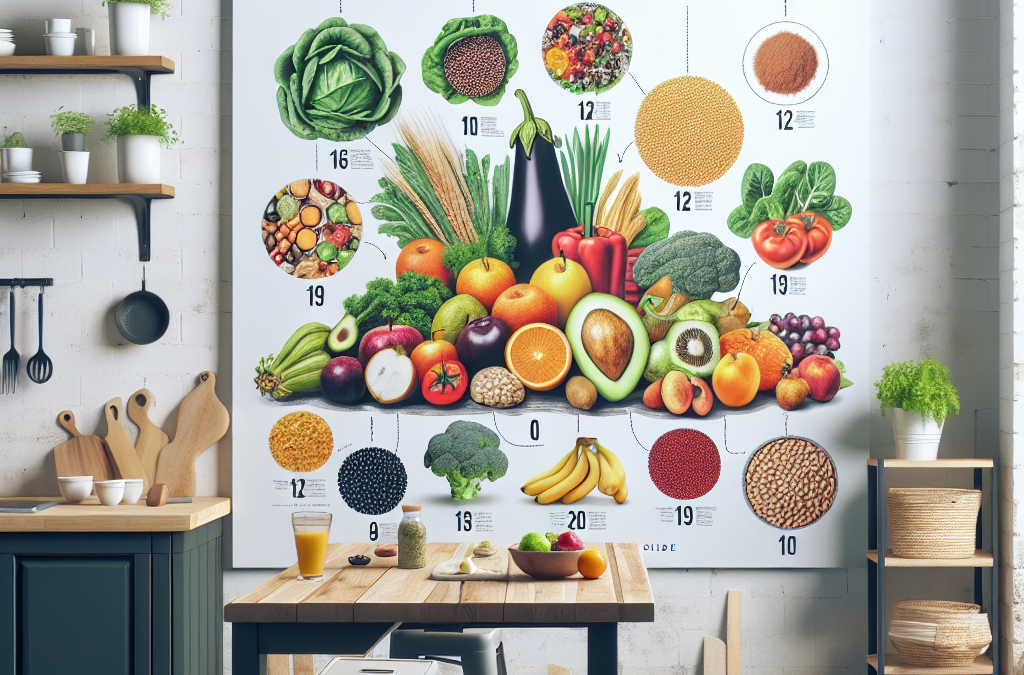
To truly support heart health, it’s crucial to focus on the right whole foods that provide essential nutrients. Foods that are rich in omega-3 fatty acids, antioxidants, and fiber can significantly reduce the risk of cardiovascular diseases. Incorporating these foods into your daily meals not only enhances your heart health but also contributes to overall well-being.
Many individuals overlook the importance of food quality and the specific nutrients that benefit heart health. Common mistakes include relying on processed alternatives or ignoring the role of healthy fats. Understanding the trade-offs between convenience and nutrition can guide smarter choices. Prioritize whole, unprocessed foods that nourish your body and support your cardiovascular system.
Nutrient Powerhouses for Your Heart
When considering the top whole foods for heart health, focus on those that provide significant amounts of heart-friendly nutrients. Foods like fatty fish, nuts, seeds, fruits, and vegetables are rich in essential vitamins and minerals. Fatty fish, such as salmon and mackerel, are excellent sources of omega-3 fatty acids, known for their anti-inflammatory properties and benefits in lowering blood pressure.
In real-world applications, incorporating these foods into your diet does not have to be complicated. Simple meal prep can include grilled salmon with a side of sautéed spinach or adding walnuts to your morning oatmeal. Balancing these nutrient-dense foods with your personal preferences makes it easier to maintain a heart-healthy diet.
Key Nutrients and Their Benefits
Understanding the specific nutrients that contribute to heart health is vital for making informed dietary choices. Omega-3 fatty acids help reduce triglycerides, lower blood pressure, and decrease the risk of arrhythmias. Antioxidants found in fruits and vegetables combat oxidative stress, which can lead to heart disease.
Prioritize foods high in fiber, such as whole grains, legumes, and fruits, as they help regulate cholesterol levels and improve overall heart function. When selecting foods, consider the balance between taste and health benefits. For example, while avocados are high in calories, their heart-healthy monounsaturated fats make them a worthy addition to your diet.
Practical Ways to Incorporate Whole Foods
Incorporating whole foods into your meals can be straightforward and enjoyable. Start by planning your meals around whole foods, ensuring that each meal includes a variety of colorful fruits and vegetables. Consider swapping out refined grains for whole grains, such as quinoa or brown rice, which provide more nutrients and fiber.
Experimenting with new recipes can also make the process more engaging. For instance, try a hearty vegetable stew packed with legumes and leafy greens, or create a refreshing salad with mixed greens, nuts, and a variety of vegetables. The key is to find combinations that you enjoy, making it easier to stick to a heart-healthy diet.
Huge Discount on the Best Certified Organic Whole Food Supplement!
Common Pitfalls to Avoid
Many individuals make the mistake of assuming that all whole foods are inherently healthy without considering how they are prepared. For instance, whole grain products can still be high in sugar or unhealthy fats if not chosen wisely. Additionally, relying too heavily on one type of food can lead to nutrient imbalances.
To avoid these pitfalls, focus on variety and moderation. Incorporate a diverse array of foods in your diet to ensure you receive all the necessary nutrients. Keep an eye on portion sizes and avoid processed versions of whole foods that may negate their health benefits.
Further Reading
Authoritative Sources
- Heart-healthy diet: 8 steps to prevent heart disease
mayoclinic.orgWhole grains are good sources of fiber and other nutrients that play roles in heart health and controlling blood pressure. You can get more whole grains by …
- Choose Heart-Healthy Foods | NHLBI, NIH
nhlbi.nih.govHeart-healthy eating involves choosing certain foods, such as fruits and vegetables, while limiting others, such as saturated fats and added sugars.
- 8 heart-healthy superfoods to boost cardiovascular wellness
intermountainhealthcare.orgOats, quinoa, and brown rice provide fiber that helps regulate cholesterol and blood sugar levels. Swap refined grains for whole grains to …
- 13 Best Heart-Healthy Foods to Lower Blood Pressure
aarp.orgBuild a heart-healthy diet with 13 superfoods like beets, turmeric, and leafy greens. Learn how these foods fight inflammation and reduce …
- Best Foods for Heart Health
hartfordhealthcarerehabnetwork.org1. Fruit and vegetables – the brighter the better. · Antioxidants, which can be anti-inflammatory — a key to heart health. · Minerals and vitamins …
- The American Heart Association Diet and Lifestyle …
heart.orgA wide variety of fruits and vegetables; Whole grains and products made up mostly of whole grains · Healthy sources of protein (Mostly plants …
- I'm a cardiovascular dietitian. Here are 7 things I eat and …
health.ucdavis.eduA diet rich in fruits and vegetables is associated with a reduced risk of heart disease. Dried, fresh, frozen, or low sodium canned fruits and …
Frequently Asked Questions
What are the best whole foods for heart health?
Some of the best whole foods include fatty fish, nuts, seeds, whole grains, fruits, and vegetables, all rich in nutrients that support cardiovascular health.
How do omega-3 fatty acids benefit the heart?
Omega-3 fatty acids help lower triglycerides, reduce blood pressure, and decrease the risk of heart disease by promoting good cholesterol levels.
Can whole foods help lower cholesterol?
Yes, whole foods high in fiber and healthy fats can help lower LDL cholesterol levels and improve overall heart health.
Is it necessary to avoid all processed foods?
While not all processed foods are unhealthy, it’s important to limit those high in sugar, unhealthy fats, and sodium. Focus on minimally processed options when possible.
How can I start incorporating more whole foods into my diet?
Begin by planning meals that include a variety of whole foods, experimenting with new recipes, and gradually swapping out processed foods for whole alternatives.
Conclusion
Incorporating the top whole foods for heart health support is a proactive step toward maintaining cardiovascular well-being. Prioritize nutrient-dense foods that are rich in omega-3s, fiber, and antioxidants, and adopt cooking methods that preserve their health benefits. By making informed dietary choices and avoiding common pitfalls, you can create a heart-healthy eating pattern that supports your overall health and longevity.
Huge Discount on the Best Certified Organic Whole Food Supplement!

