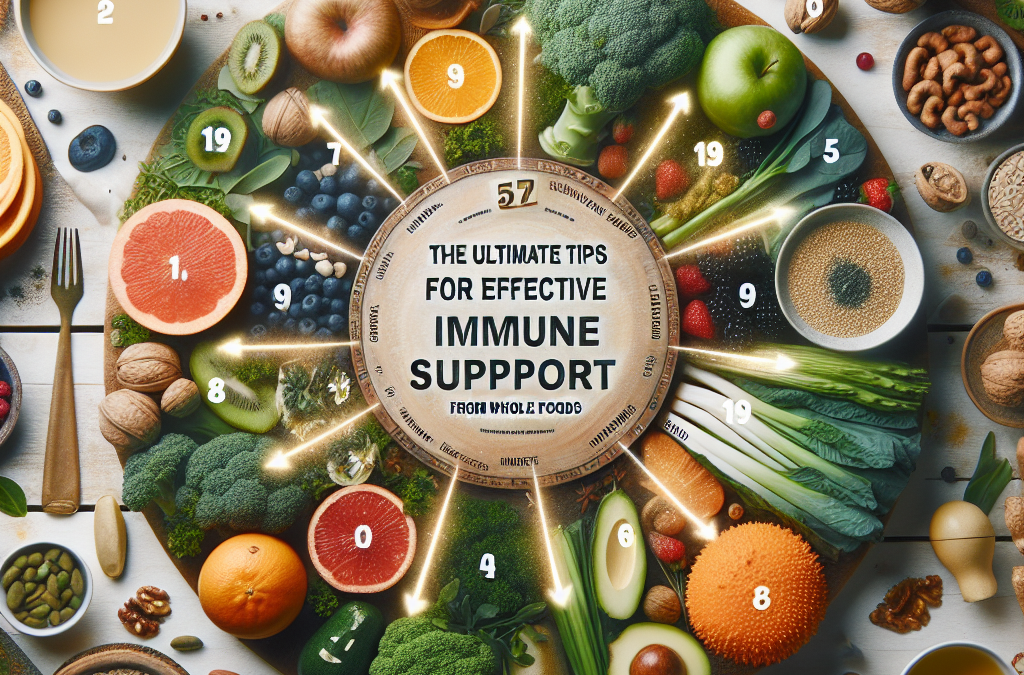
Food addictions can create a cycle of cravings and unhealthy eating that can be difficult to break. Whole foods, characterized by their minimal processing and natural state, offer a pathway to overcoming these challenges. By prioritizing whole foods, individuals can nourish their bodies with essential nutrients, which helps regulate appetite and cravings. This article explores how incorporating whole foods can effectively reduce food addictions and support a healthier lifestyle.
The stakes are high when it comes to food addiction. Many individuals mistakenly believe that simply eliminating certain foods from their diets will solve their problems. However, this approach often leads to further cravings and an unhealthy relationship with food. Instead, focusing on whole foods can provide the necessary building blocks for a sustainable diet, helping to reduce the allure of processed foods that often trigger addictive behaviors. Understanding the trade-offs and making informed choices is essential for long-term success in combating food addiction.
Understanding Food Addictions
Food addiction is a complex issue that often stems from emotional, psychological, and physiological factors. Many individuals find themselves trapped in a cycle of consuming highly processed foods that are designed to be addictive. These foods typically contain high levels of sugar, fat, and salt, which can trigger pleasure centers in the brain and lead to compulsive eating behaviors. Recognizing the signs of food addiction is the first step toward recovery.
Many people underestimate the impact of food choices on their mental health and well-being. The reliance on processed foods can create a dependency that exacerbates feelings of guilt and shame, making it even more challenging to break free. Understanding the underlying reasons for food addiction can empower individuals to make healthier choices, shifting their focus toward whole foods that support recovery.
How Whole Foods Combat Cravings
Whole foods help combat cravings by providing the body with essential nutrients that stabilize blood sugar levels and reduce hunger pangs. Foods such as fruits, vegetables, whole grains, nuts, and seeds are rich in fiber, vitamins, and minerals that promote satiety and keep cravings at bay. Unlike processed foods, which often lead to rapid spikes and crashes in energy levels, whole foods provide a steady source of energy, making it easier to resist unhealthy snacks.
When transitioning to a diet rich in whole foods, individuals may experience initial cravings for processed foods. This is a normal part of the adjustment process. It’s important to prioritize nutrient-dense options that can help mitigate these cravings. For example, incorporating more whole grains can provide sustained energy and reduce the desire for quick fixes like sugary snacks. The focus should be on gradual changes rather than drastic overhauls.
The Nutritional Benefits of Whole Foods
Whole foods offer a myriad of nutritional benefits that are vital for overall health. They are packed with antioxidants, fiber, and healthy fats, which are essential for maintaining optimal bodily functions. For instance, fruits and vegetables are high in vitamins and minerals that support the immune system, while whole grains provide necessary fiber for digestive health.
By consuming a variety of whole foods, individuals can create a balanced diet that not only addresses food addiction but also enhances overall health. It’s essential to prioritize diversity in food choices to ensure that all nutrient needs are met. Focusing solely on one type of food can lead to deficiencies and may perpetuate cravings for processed alternatives.
Practical Tips for Incorporating Whole Foods
Making the switch to whole foods doesn’t have to be overwhelming. Start by gradually replacing processed items in your pantry with whole food alternatives. For example, swap out white rice for quinoa or brown rice, and replace sugary snacks with fresh fruits or nuts. Meal prepping can also help make whole foods more accessible throughout the week.
Huge Discount on the Best Certified Organic Whole Food Supplement!
Consider the following tips to ease the transition:
- Plan your meals around whole foods to ensure you have nutritious options available.
- Experiment with new recipes that highlight whole foods to keep your meals exciting.
- Shop the perimeter of grocery stores, where whole foods are typically located.
- Stay hydrated, as sometimes thirst can be mistaken for hunger.
Frequently Asked Questions
What are whole foods?
Whole foods are unprocessed or minimally processed foods that are free from artificial ingredients, preservatives, and additives.
How do whole foods help with food addiction?
Whole foods provide essential nutrients that stabilize blood sugar levels, reduce cravings, and promote satiety, helping individuals overcome food addiction.
Can I still enjoy my favorite foods while eating whole foods?
Yes, you can enjoy your favorite foods by finding whole food alternatives or incorporating them in moderation while focusing on a balanced diet.
What are some examples of whole foods?
Examples of whole foods include fruits, vegetables, whole grains, nuts, seeds, and legumes.
How can I start incorporating whole foods into my diet?
Begin by gradually replacing processed foods with whole food alternatives and planning meals centered around whole food ingredients.
Further Reading
Authoritative Sources
- NIH Office of Dietary Supplements
ods.od.nih.govEvidence-based information on vitamins, minerals, supplements, and nutrition-related questions.
- USDA FoodData Central
fdc.nal.usda.govUSDA nutrient data for foods and ingredients used in nutrition decisions.
- Harvard T.H. Chan School of Public Health Nutrition Source
hsph.harvard.eduPublic health nutrition guidance and educational resources.
Conclusion
Incorporating whole foods into your diet is a powerful strategy for reducing food addictions and fostering a healthier relationship with food. By prioritizing nutrient-dense options, you can stabilize your cravings and improve your overall well-being. Start small, make gradual changes, and focus on the long-term benefits of a whole food diet. Your journey toward better health begins with the choices you make today.
Huge Discount on the Best Certified Organic Whole Food Supplement!