
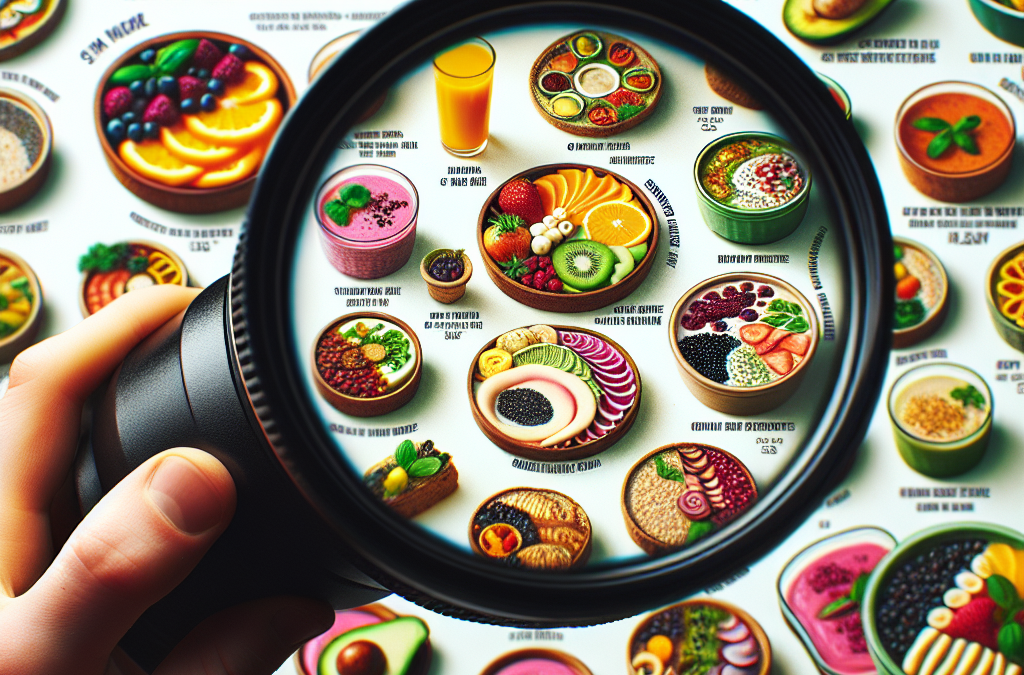
Whole foods are integral to supporting natural detox pathways in the body, serving as a foundation for optimal health and wellness. By emphasizing nutrient-rich, minimally processed foods, individuals can effectively enhance their body’s ability to eliminate toxins. This approach not only aids in detoxification but also contributes to overall vitality and well-being.
Understanding the significance of whole foods in detoxification is essential, as many individuals overlook how their dietary choices impact their body’s natural processes. Common mistakes include relying on fad diets or detox products that promise quick results but often lack scientific backing. Instead, focusing on whole foods, such as fruits, vegetables, nuts, and grains, can provide a sustainable and effective means of supporting detox pathways.
Nutritional Powerhouses: The Role of Fruits and Vegetables
Fruits and vegetables are essential in supporting the body’s detoxification processes. They are rich in vitamins, minerals, and antioxidants, which help neutralize free radicals and reduce oxidative stress. Foods such as leafy greens, berries, and cruciferous vegetables not only provide fiber but also contain compounds that promote liver health and enhance detoxification.
Prioritizing a variety of colorful fruits and vegetables is crucial, as different colors often signify different nutrients and benefits. For instance, green leafy vegetables like kale and spinach are high in chlorophyll, which can aid in detoxifying heavy metals. On the other hand, citrus fruits like oranges and lemons are rich in vitamin C, which supports the immune system and liver function. A common mistake is consuming the same types of produce repeatedly, which can limit nutrient diversity. Aim for a rainbow of choices to maximize benefits.
Whole Grains: Supporting Digestive Health
Whole grains, such as brown rice, quinoa, and oats, are integral to maintaining digestive health, which is vital for effective detoxification. They provide dietary fiber that aids in regular bowel movements, helping to eliminate toxins from the body. Furthermore, whole grains offer a sustained energy source, preventing energy crashes that can lead to poor dietary choices.
When incorporating whole grains, it’s essential to consider the balance between fiber intake and hydration. A sudden increase in fiber without adequate water consumption can lead to digestive discomfort. Thus, it’s advisable to gradually introduce whole grains into the diet while ensuring proper hydration to support digestive processes. Many people mistakenly switch to high-fiber diets too quickly, which can result in bloating or constipation.
Hydration and Detoxification: The Importance of Water
Water is often overlooked in discussions about detoxification, yet it plays a pivotal role in flushing out toxins. Adequate hydration supports kidney function and promotes urine production, which is essential for excreting waste products. Additionally, water aids in nutrient absorption and digestion, enhancing the overall detoxification process.
Prioritizing hydration means not only drinking water but also consuming water-rich foods, such as cucumbers, watermelon, and oranges. A common assumption is that all fluids are equally hydrating; however, beverages high in sugar or caffeine can lead to dehydration. Therefore, focusing on pure water and herbal teas can significantly enhance detoxification efforts.
Huge Discount on the Best Certified Organic Whole Food Supplement!
Common Pitfalls in Detox Diets
Many individuals turn to detox diets that promise rapid results but can often lead to negative health consequences. These diets may restrict essential nutrients, leading to deficiencies and a weakened immune system. Additionally, some detox programs can disrupt natural metabolic processes and create a cycle of deprivation and binge eating.
A smart approach involves integrating whole foods gradually rather than resorting to drastic measures. Maintaining a balanced diet that includes a variety of whole foods is more sustainable and beneficial for long-term health. Avoiding quick-fix detox solutions helps prevent the common pitfalls of fatigue, irritability, and nutrient imbalances.
Further Reading
Authoritative Sources
- Modulation of Metabolic Detoxification Pathways Using Foods …
pmc.ncbi.nlm.nih.govThis review summarizes the research in this area to date, highlighting the potential for foods and nutrients to support and/or modulate detoxification …
- Foods That Naturally Support Your Detox Process
infusionhealth.orgWhole grains contribute significantly to detox routines by improving digestive health and maintaining steady energy levels. Brown rice, quinoa, …
- Eat These 10 Foods to Support Detoxification
drchristinemaren.comMy focus in this article is using whole foods and nutrition to support your body's natural detoxification systems. The Basics of Detoxification.
- How to Detox with Whole Foods (Detox – Part 2)
everybodybliss.comFunctional Foods that Support Detoxification: · Eat more fiber · Focus on cruciferous vegetables · Snack on Brazil Nuts · Clean protein · Drink more …
- Everyday Detox: Whole Foods to Support Your Body's Natural …
experiencelife.lifetime.lifeNo need to subsist on juices and herbs. These whole foods support your body's innate ability to detoxify on a daily basis.
- 6 Foods That Support Your Body's Natural Detox Process
self.com6 Foods That Support Your Body's Natural Detox Process · 1. Broccoli sprouts · 2. Chlorella · 3. Fiber-rich foods · 4. Brazil nuts · 5. Milk thistle.
- Detoxification: Why It Matters for Your Health and How to …
wholefamilyhealthcare.comSupporting detox pathways can help your body let go of excess fat more easily and reduce bloating. Enhances Mental Clarity Brain fog is often a sign of toxin …
Frequently Asked Questions
How do whole foods aid in detoxification?
Whole foods provide essential nutrients, antioxidants, and fiber that support liver function, digestion, and the elimination of toxins.
Can I detox effectively without cutting out certain foods?
Yes, focusing on incorporating whole foods while reducing processed foods can effectively support detox pathways without extreme dietary restrictions.
What are the best fruits for detoxification?
Berries, citrus fruits, and apples are excellent choices due to their high antioxidant content and ability to support liver health.
How often should I consume detox-supporting foods?
Incorporating detox-supporting foods into your daily diet is ideal for sustained benefits rather than consuming them sporadically.
Is hydration important for detoxing?
Absolutely. Adequate hydration is crucial for flushing out toxins and supporting kidney function during the detoxification process.
Conclusion
Incorporating whole foods into your diet is a powerful way to support your body’s natural detox pathways. By focusing on nutrient-dense fruits, vegetables, and whole grains, you can enhance liver function, improve digestion, and promote overall wellness. Avoiding quick-fix detox diets and instead prioritizing a balanced, whole food-based approach will lead to sustainable health benefits. Start making small changes today, and empower your body’s detoxification process for a healthier tomorrow.
Huge Discount on the Best Certified Organic Whole Food Supplement!

